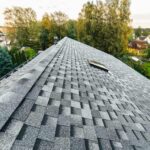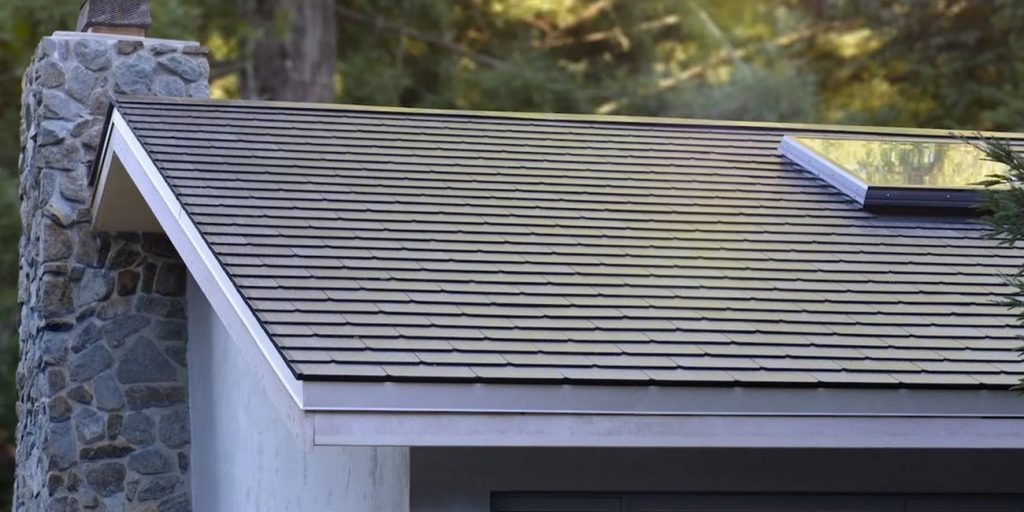
As more homeowners turn to solar roofing for sustainable energy, understanding the best practices for safety becomes essential. Whether you’re considering installation or already have solar shingles on your home, following solar roofing safety tips can help prevent accidents, protect your investment, and ensure your system operates efficiently for years to come.
Solar roofs combine advanced technology with traditional roofing, but they also introduce new risks and maintenance requirements. By learning about proper precautions, you can minimize hazards during installation, routine checks, and cleaning. For those upgrading from older roofing materials, understanding the roof upgrade cost and safety implications is a smart first step.
Why Safety Matters With Solar Roofing
Installing or maintaining solar shingles involves working at heights, handling electrical components, and navigating potentially slippery surfaces. Even routine inspections can present risks if not approached with caution. Homeowners who understand the unique challenges of solar roofing are better prepared to avoid injury and costly mistakes.
Some of the main safety concerns include:
- Electrical hazards from live panels and wiring
- Falls due to steep roof pitches or wet surfaces
- Damage to solar components during cleaning or repairs
- Improper installation leading to leaks or fire risks
Addressing these issues with proactive measures is key to a safe and successful solar experience.
Preparing for Safe Installation
Before any work begins, it’s important to plan carefully. Whether you’re hiring professionals or considering a DIY approach, preparation is the foundation of safety. Here are some essential steps:
- Choose a reputable, certified installer with experience in solar roofing systems.
- Request proof of insurance and ask about their safety protocols.
- Discuss the installation plan, including how they’ll protect your property and manage electrical connections.
- Ensure all permits are obtained and local codes are followed.
If you’re replacing old roofing, review the replacing old asphalt roof guide to understand the process and potential safety considerations unique to your home’s structure.
Essential Solar Roofing Safety Tips for Maintenance
Once your solar roof is installed, ongoing care is necessary to keep it functioning properly and safely. Here are some practical solar roofing safety tips for homeowners:
1. Turn Off Power Before Maintenance
Before cleaning or inspecting your solar shingles, always shut off the system according to the manufacturer’s instructions. This reduces the risk of electrical shock. If you’re unsure how to do this, consult your installer or refer to your system’s manual.
2. Use Proper Safety Gear
Wear non-slip shoes, a safety harness, and gloves when accessing your roof. If your roof is steep or slippery, consider hiring a professional instead of attempting work yourself. Never work alone—having someone nearby in case of emergency is a smart precaution.
3. Inspect for Damage Regularly
Check your solar roof for cracked shingles, loose wiring, or debris buildup at least twice a year. Early detection of issues can prevent further damage and reduce safety risks. If you notice signs of poor workmanship, refer to resources on poor installation roofing issues for guidance.
4. Clean Panels Safely
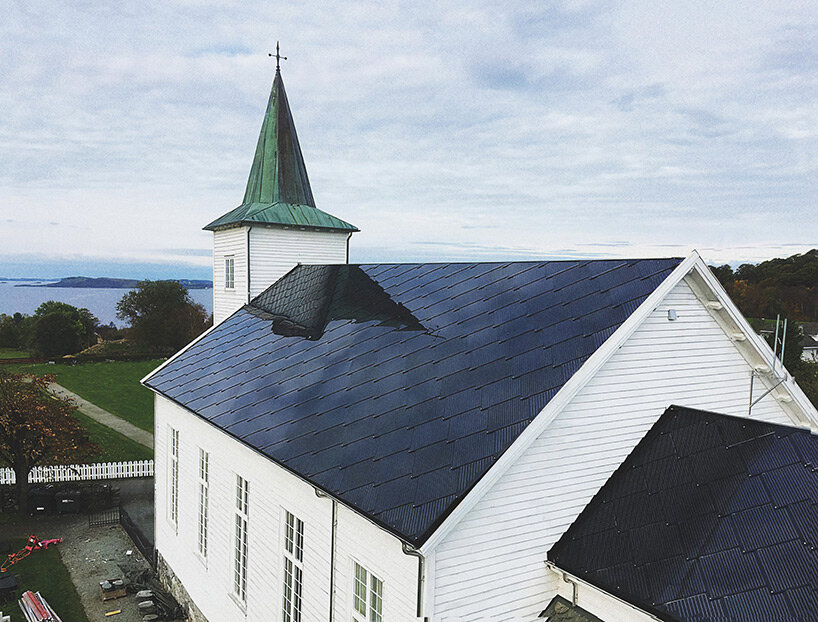
Dust, leaves, and bird droppings can reduce your solar roof’s efficiency. Use a soft brush or a hose with gentle pressure to clean the surface. Avoid harsh chemicals or abrasive tools, which can scratch or damage the panels. For high or hard-to-reach areas, consider using a telescopic cleaning tool or hiring a professional service.
5. Be Mindful of Weather Conditions
Never attempt maintenance during rain, snow, or high winds. Wet or icy surfaces are extremely slippery and increase the risk of falls. Schedule inspections and cleaning for dry, mild days whenever possible.
Electrical Safety Precautions for Solar Roofs
Solar shingles generate electricity even when the main system is off, especially during daylight. This makes electrical safety a top priority for homeowners:
- Never touch exposed wiring or connectors.
- Label all electrical shutoffs clearly and make sure household members know their locations.
- If you suspect a wiring issue or see scorch marks, call a licensed electrician with solar experience immediately.
- Keep flammable materials away from your roof and attic space.
For more details on how solar shingles work and their safety features, explore this comprehensive guide to solar shingles.
Structural Considerations and Roof Integrity
Solar roofing adds weight and complexity to your home’s structure. Before installation, have a professional inspect your roof for signs of sagging or weakness. If you’re concerned about the structural soundness of your shingle roof, the article on roof sagging problems offers helpful insights.
After installation, continue to monitor your attic and ceilings for leaks or water stains. Address any issues promptly to prevent long-term damage.

When to Call a Professional
While many routine tasks can be handled by homeowners, certain situations require expert help. Contact a qualified solar technician or roofer if you notice:
- Loose, cracked, or missing solar shingles
- Exposed or damaged wiring
- Persistent leaks or water stains inside your home
- Unusual noises or smells from your roof or attic
Attempting complex repairs without proper training can void warranties and increase safety risks. When in doubt, professional assistance is the safest choice.
Planning for Long-Term Safety and Performance
To maximize the lifespan and efficiency of your solar roof, create a maintenance schedule and keep records of all inspections and repairs. Review your warranty terms and know what services are covered. For those planning a new installation, the asphalt roof replacement guide can help you prepare for a smooth transition to solar technology.
Regular attention to safety and maintenance not only protects your home but also ensures you get the most from your investment in renewable energy.
Frequently Asked Questions
How often should I inspect my solar roof for safety?
It’s best to inspect your solar roof at least twice a year, ideally in spring and fall. After severe weather events, check for visible damage or debris as well.
Can I clean my solar shingles myself, or should I hire a professional?
Many homeowners can safely clean their solar shingles using a soft brush and hose, provided they follow safety guidelines and avoid working in hazardous conditions. For steep roofs or hard-to-reach areas, hiring a professional is recommended.
What are the main electrical risks with solar roofing?
Solar shingles generate electricity whenever exposed to sunlight, even if the main system is off. The main risks include electrical shock from exposed wiring and potential fire hazards from faulty connections. Always turn off power before maintenance and consult a licensed professional for repairs.