Asphalt shingles have long been a popular roofing material due to their affordability and ease of installation. However, over time, even the best-installed asphalt roofs deteriorate, leading to leaks, energy inefficiency, and potential structural issues. If your home is showing asphalt roof failure signs—such as curling shingles, granule loss, or persistent leaks—it may be time to consider a complete tear-off and replacement. This guide walks you through the essential steps, considerations, and best practices for removing and upgrading an aging asphalt shingle roof.
Before starting a full replacement, it’s important to understand the process, costs, and how to avoid common roofing mistakes to avoid. A thorough approach ensures your new roof delivers lasting protection and value.

When Is It Time to Replace an Aging Asphalt Roof?
Recognizing when your roof needs more than a simple repair is crucial. Most asphalt shingle roofs last between 15 and 30 years, depending on climate, installation quality, and maintenance. Here are some clear indicators that a full replacement may be necessary:
- Widespread shingle damage: Cracking, curling, or missing shingles across large areas.
- Granule loss: Excessive granules in gutters or bare spots on shingles.
- Persistent leaks: Water stains on ceilings or attic insulation, even after patch repairs.
- Soft spots or sagging: Indicating possible rot or structural damage beneath the shingles.
- Multiple layers of shingles: Building codes often require a tear-off if two or more layers exist.
For more details on what to look for, see the comprehensive breakdown of asphalt roof failure signs.
Understanding the Full Tear-Off Process
Unlike overlaying new shingles on top of old ones, a full tear-off involves removing all existing roofing materials down to the deck. This approach offers several advantages:
- Thorough inspection: Exposes the roof deck so any rot, mold, or structural issues can be addressed.
- Improved performance: New underlayment and shingles adhere better, reducing the risk of future leaks.
- Longer lifespan: A fresh start ensures your new roof reaches its maximum service life.
The tear-off process typically includes:
- Removing old shingles and underlayment.
- Inspecting and repairing the roof deck.
- Installing new underlayment, flashing, and shingles.
- Cleaning up debris and ensuring proper disposal.
Choosing Materials for Your New Roof
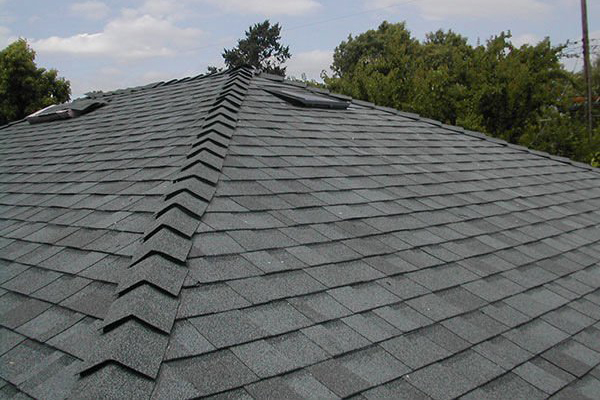
When replacing an old asphalt roof, selecting the right materials is key to performance and longevity. Modern asphalt shingles come in a variety of styles, colors, and grades. Consider the following:
- Architectural vs. 3-tab shingles: Architectural (dimensional) shingles offer better durability and aesthetic appeal compared to basic 3-tab options.
- Impact and weather resistance: If you live in a region prone to hail, wind, or heavy rain, look for shingles rated for impact and weather resistance. Products like waterproof asphalt shingles are designed for wet environments.
- Color and curb appeal: Choose a color that complements your home’s exterior and neighborhood.
- Warranty coverage: Higher-quality shingles often come with longer manufacturer warranties.
For a deeper understanding of what goes into asphalt shingles and why it matters, check out this detailed explanation of asphalt shingle composition.
Preparing for the Tear-Off and Installation
Proper preparation can make the replacement process smoother and minimize disruption:
- Clear the area: Move vehicles, patio furniture, and valuables away from the work zone.
- Protect landscaping: Cover plants and shrubs with tarps to shield them from falling debris.
- Inform neighbors: Let them know about the upcoming work to avoid surprises.
- Secure attic belongings: Dust and debris may fall into the attic during removal, so cover or relocate stored items.
Working with a reputable contractor is essential. Ask for references, verify insurance, and get a detailed written estimate. If you’re considering a DIY approach, make sure you understand the risks and local building codes.
Best Practices for a Successful Roof Replacement
To ensure your new roof stands the test of time, keep these best practices in mind:
- Inspect the deck thoroughly: Replace any rotted or damaged decking before installing new materials.
- Use quality underlayment: Synthetic underlayment offers better moisture protection than traditional felt.
- Install proper flashing: Pay special attention to valleys, chimneys, and roof penetrations to prevent leaks.
- Ventilation matters: Adequate attic ventilation extends shingle life and reduces the risk of ice dams and mold.
- Seal all joints: Use a high-quality sealant on flashing and exposed nail heads for added protection. Consider products like those found in the Buy Sealant for Roof Shingles CTA above.
For more on common issues and how to avoid them, see the guide on cracked asphalt shingles.
Cost Considerations and Budgeting
The price of replacing an old asphalt roof varies based on several factors:
- Roof size and pitch: Larger or steeper roofs require more materials and labor.
- Material choice: Premium shingles and upgraded underlayment increase costs but offer better performance.
- Deck repairs: Replacing damaged decking adds to the total expense.
- Disposal fees: Removing and hauling away old roofing materials is often a separate charge.
On average, homeowners can expect to pay between $5,000 and $12,000 for a full tear-off and replacement, but prices vary by region and project complexity. Always get multiple quotes and ensure your contractor provides a clear, itemized estimate.
Maintaining Your New Asphalt Roof
Once your new roof is installed, regular maintenance helps maximize its lifespan:
- Inspect annually: Look for damaged or missing shingles, especially after storms.
- Clean gutters: Clogged gutters can cause water to back up and damage the roof edge.
- Trim overhanging branches: Prevents debris buildup and reduces the risk of impact damage.
- Address issues promptly: Small repairs, such as sealing minor leaks, can prevent bigger problems.
For those in snowy climates, consider upgrades like snow resistant roof shingles to prevent ice dam damage.
Frequently Asked Questions
How long does it take to replace an old asphalt shingle roof?
Most residential projects take one to three days, depending on roof size, weather, and the complexity of the job. Larger or more intricate roofs may require additional time for deck repairs or specialty materials.
Can I install new shingles over my existing roof?
While some building codes allow a second layer of shingles, a full tear-off is generally recommended for best results. Removing old materials allows for a thorough inspection and ensures the new roof performs optimally.
What should I look for when choosing a roofing contractor?
Look for licensed, insured professionals with strong local references. Ask for a detailed written estimate and ensure they have experience with full tear-off replacements. Good contractors will answer your questions and provide clear timelines.
Are there eco-friendly options for disposing of old shingles?
Many areas offer recycling programs for asphalt shingles, which can be repurposed for road construction. Ask your contractor about recycling options to minimize landfill waste.
Replacing an aging asphalt roof is a significant investment, but with careful planning and the right materials, you can ensure your home stays protected for decades to come.