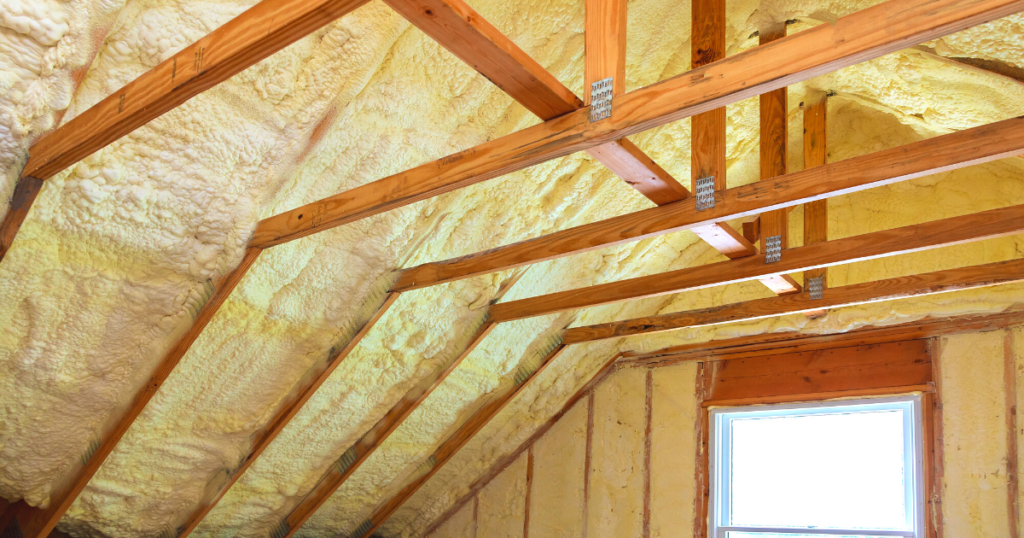
Many homeowners are surprised to learn just how much their attic can influence their monthly energy expenses. The attic insulation effect on heating bills is significant, especially in climates with cold winters or fluctuating temperatures. Insufficient or poorly installed insulation allows heat to escape, forcing your heating system to work harder and driving up costs. On the other hand, a well-insulated attic acts as a barrier, keeping warmth inside and reducing the energy needed to maintain a comfortable indoor environment.
Understanding how attic insulation works, the types available, and the potential savings can help you make informed decisions about upgrades or improvements. Before diving into the details, it’s also worth considering related home improvements—such as roof upgrades—that can further enhance energy efficiency. For example, you may want to review the roof upgrade cost to see how investing in modern shingles complements attic insulation improvements.
Why Attic Insulation Matters for Home Heating Costs
The attic is often the primary escape route for heat in a home. Since warm air rises, it naturally moves toward the uppermost part of your house. Without adequate insulation, this heat passes through the ceiling and roof, resulting in higher energy consumption as your furnace or heat pump works overtime to replace lost warmth. The attic insulation effect on heating bills becomes especially noticeable during the coldest months, when any inefficiency is magnified by the temperature difference between indoors and outdoors.
Proper insulation slows down this heat transfer, maintaining a more stable indoor temperature. This means your heating system cycles less frequently, uses less energy, and ultimately saves you money. In addition to cost savings, improved insulation can enhance comfort by reducing drafts and cold spots throughout your home.
How Insulation Reduces Energy Loss
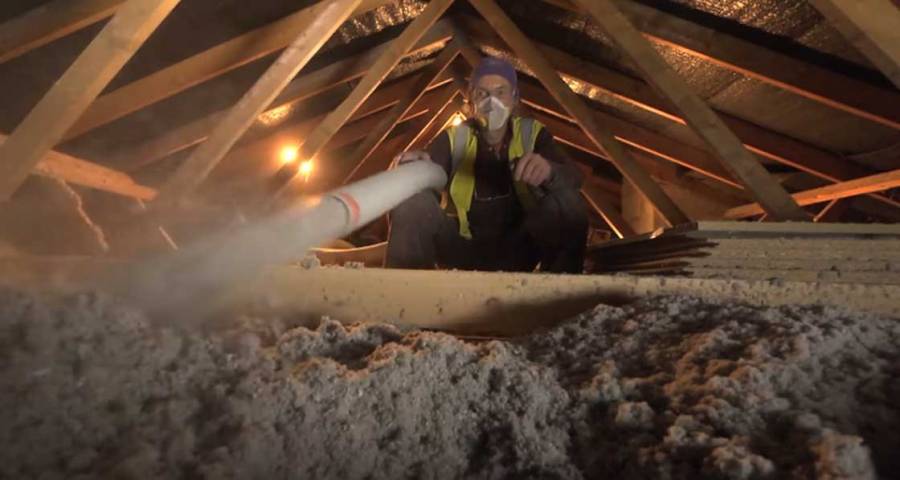
Insulation works by trapping pockets of air within its material, which slows the movement of heat. The effectiveness of insulation is measured by its R-value—a higher R-value indicates better resistance to heat flow. The attic insulation effect on heating bills is most pronounced when the insulation meets or exceeds the recommended R-value for your region.
Here’s how insulation helps control energy loss:
- Thermal Barrier: Insulation creates a barrier that reduces the flow of heat from the living space to the attic and outdoors.
- Air Sealing: When combined with proper air sealing, insulation prevents drafts and stops warm air from leaking through cracks or gaps.
- Moisture Control: Some insulation types help manage moisture, reducing the risk of mold and improving indoor air quality.
By addressing these factors, homeowners can see a direct reduction in their heating bills, sometimes by as much as 10–50% depending on the starting condition of the attic and the quality of the upgrade.
Types of Attic Insulation and Their Impact
Several insulation materials are commonly used in attics, each with its own advantages and cost considerations. The choice of material can influence the overall attic insulation effect on heating bills:
- Fiberglass Batts: Widely available and affordable, batts are easy to install but must be fitted carefully to avoid gaps.
- Blown-In Cellulose: Made from recycled paper, this loose-fill option fills irregular spaces well and offers good thermal performance.
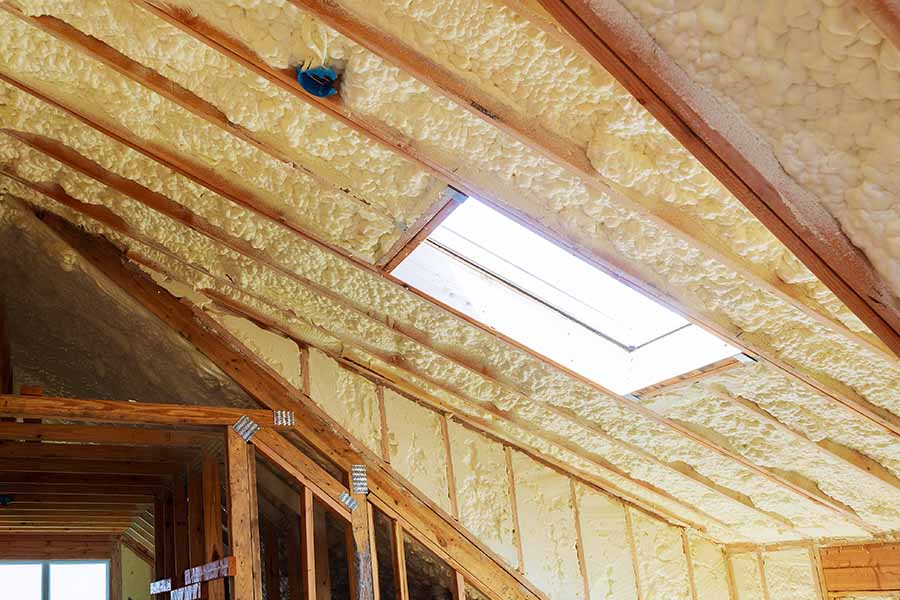
- Spray Foam: Provides both insulation and air sealing, making it highly effective but more expensive than other options.
- Rigid Foam Boards: Used for targeted applications, these boards offer high R-values in a compact form.
The best choice depends on your attic’s structure, budget, and whether you’re insulating for the first time or adding to existing material. Regardless of type, the key is ensuring full coverage and the correct thickness for your climate zone.
Signs Your Attic Insulation Needs Attention
Many homes—especially older ones—have insufficient or deteriorated insulation. Watch for these indicators that your attic may be costing you money:
- Noticeable temperature differences between floors
- Ice dams forming on the roof in winter
- High heating bills compared to similar homes
- Drafts or cold spots in upper rooms
- Visible gaps, compressed, or damp insulation in the attic
If you notice any of these issues, a professional energy audit or insulation assessment can help identify areas for improvement. Addressing these problems not only lowers your energy bills but can also prevent issues like roof sagging problems caused by moisture and temperature fluctuations.
Calculating Potential Savings from Upgrading Attic Insulation
The amount you can save by improving attic insulation depends on several factors: the current state of your insulation, your local climate, the size of your home, and your heating system’s efficiency. According to the U.S. Department of Energy, homeowners can save up to 15% on heating and cooling costs by sealing air leaks and adding insulation in attics, crawl spaces, and basement rim joists.
Here’s a simplified example:
- Average annual heating bill: $1,500
- Estimated savings from improved insulation: 15% ($225 per year)
- Payback period: If insulation costs $1,500, the upgrade pays for itself in about 7 years, not accounting for increased comfort and potential home value gains.
Keep in mind that savings can be even greater if your attic currently has little or no insulation, or if you combine insulation upgrades with other improvements like air sealing or a new roof. For more on planning such projects, see the asphalt roof replacement guide.
Common Mistakes That Reduce Insulation Effectiveness
Even the best insulation won’t deliver results if it’s not installed correctly. Here are some pitfalls that can undermine the attic insulation effect on heating bills:
- Leaving gaps or compressing insulation, which reduces its R-value
- Failing to seal air leaks before adding insulation
- Blocking attic ventilation, which can cause moisture problems
- Using the wrong type or thickness for your region
- Neglecting to address roof leaks or structural issues first
To maximize savings and comfort, consider hiring a qualified contractor or following best practices if you choose to DIY. Addressing issues like poor installation roofing issues is also important for long-term performance.
Additional Benefits of Proper Attic Insulation
While lower heating bills are a primary motivator, there are other advantages to upgrading attic insulation:
- Improved comfort: Fewer drafts and more consistent temperatures throughout the home
- Reduced environmental impact: Lower energy use means fewer greenhouse gas emissions
- Longer roof life: Stable attic temperatures help prevent ice dams and moisture buildup, protecting your roof structure
- Increased home value: Energy-efficient upgrades are attractive to buyers and can boost resale value
FAQ: Attic Insulation and Heating Bills
How do I know if my attic insulation is sufficient?
Check the depth and condition of your attic insulation. In most regions, you should have at least 10–14 inches of insulation for optimal performance. If you can see the joists or notice uneven coverage, it’s likely time for an upgrade.
Can I add new insulation over old insulation?
Yes, as long as the existing insulation is dry and free of mold or damage. Adding new insulation on top can improve the attic insulation effect on heating bills without the need to remove the old material.
Is professional installation necessary, or can I do it myself?
Many homeowners can install batt or blown-in insulation themselves, but professional installation ensures proper air sealing, coverage, and compliance with local codes. For spray foam or complex attics, hiring a pro is recommended.