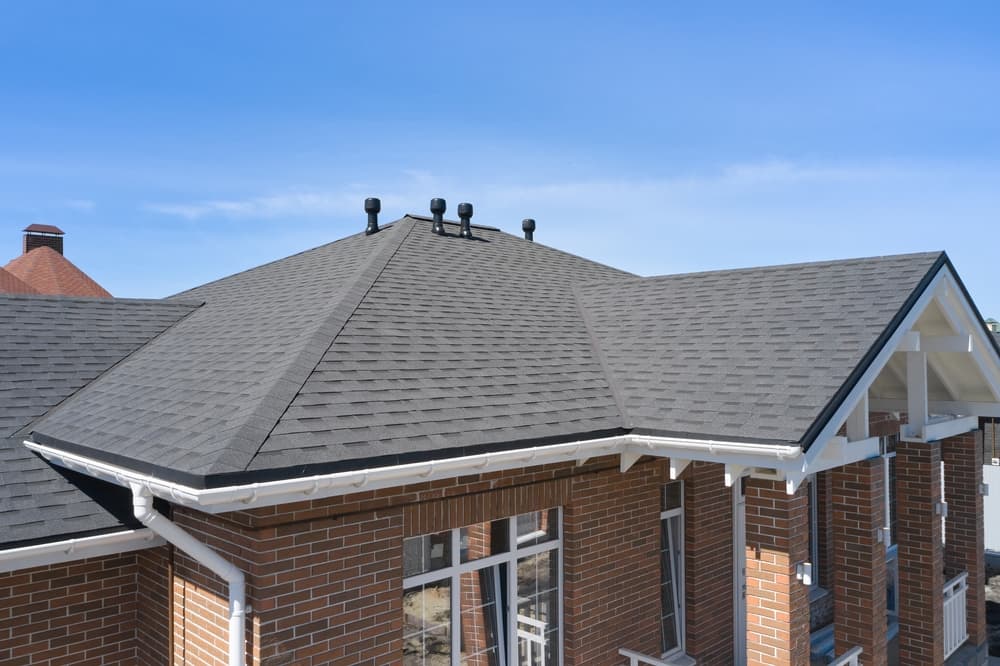
Roofing is one of the most critical components of any home, protecting everything beneath it from weather and water damage. However, when a roof is installed incorrectly, it can lead to a wide range of problems that may not be immediately obvious. Recognizing poor installation roofing issues early can save homeowners from expensive repairs, leaks, or even premature roof replacement. This guide will help you identify the warning signs of subpar workmanship, understand the consequences, and know what steps to take if you suspect your roof was not installed properly.
Whether you’re planning a new roof, recently had one installed, or are evaluating an older structure, being able to spot the telltale signs of bad installation is essential. Early detection allows you to address problems before they escalate, ensuring your investment is protected for years to come. For those considering an upgrade, understanding these issues can also help you make informed decisions about materials and contractors. If you’re budgeting for improvements, you might want to review the roof upgrade cost to plan for high-performance shingles that can help avoid future headaches.
Common Signs of Faulty Roof Installation
Spotting poor installation roofing issues starts with a careful inspection of your roof’s appearance and performance. Here are some of the most frequent indicators that your roof may not have been installed to standard:
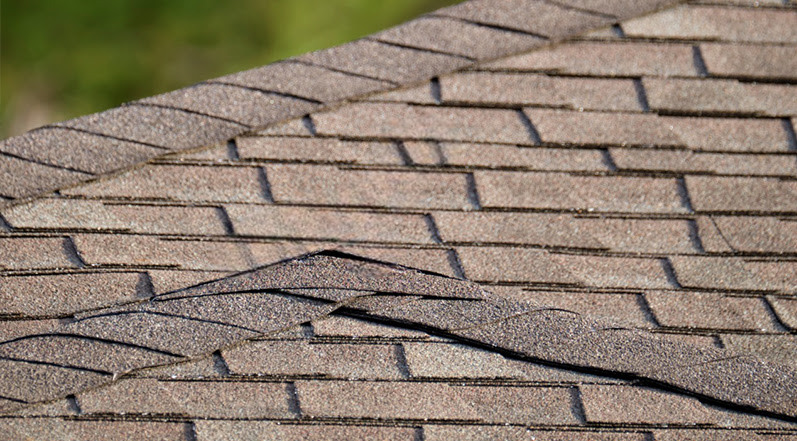
- Uneven or Misaligned Shingles: Shingles should be laid in straight, even rows. If you notice wavy lines, gaps, or inconsistent overhangs, this is a red flag.
- Exposed Nail Heads: Nails should be covered by the shingle above. Visible nails can rust and allow water to penetrate, leading to leaks and shingle blow-offs.
- Poorly Sealed Flashing: Flashing around chimneys, vents, and valleys must be tightly sealed. Gaps or loose flashing can cause water intrusion and rot.
- Improper Shingle Overhang: Shingles should extend about 1/2 to 3/4 inch past the roof edge. Too short or too long can cause wind damage or water wicking.
- Inconsistent Color or Texture: Mismatched shingles may indicate repairs or shortcuts, and can affect both appearance and performance.
- Granule Loss: Excessive granules in gutters or bare patches on shingles suggest poor handling or faulty installation.
For a more detailed look at shingle systems and what to expect from quality materials, you can consult this simple guide to asphalt shingle roofing systems.
How Poor Workmanship Leads to Roofing Problems
Improper installation doesn’t just affect how your roof looks—it can have serious consequences for your home’s safety and longevity. Here’s how substandard work can create bigger headaches:
- Leaks and Water Damage: Gaps, misaligned shingles, or faulty flashing allow water to seep under the roofing, leading to rot, mold, and damaged insulation.
- Shortened Roof Lifespan: A poorly installed roof may fail years before its expected service life, requiring costly replacement much sooner than planned.
- Wind and Storm Vulnerability: Shingles that aren’t nailed or sealed correctly can be lifted or blown off in storms, exposing your home to further damage.
- Voided Warranties: Many manufacturers’ warranties are only valid if the roof is installed according to their guidelines. Poor workmanship can leave you without coverage.
- Increased Energy Bills: Gaps and improper sealing can compromise attic ventilation and insulation, making it harder to regulate indoor temperatures.
Understanding these risks highlights the importance of proper installation and regular inspections. If you’re considering a replacement, the asphalt roof replacement guide can help you plan a successful project from start to finish.
Key Areas Where Installation Mistakes Occur
Some parts of the roof are more prone to installation errors than others. Knowing where to look can help you catch issues before they become major problems:
- Valleys: These channels direct water off the roof. Incorrectly layered or poorly sealed valleys are a common source of leaks.
- Roof Edges and Eaves: Shingles that don’t overhang properly or lack drip edge flashing can allow water to seep behind gutters and fascia boards.
- Chimneys and Skylights: These penetrations require precise flashing and sealing. Even small gaps can lead to significant water entry.
- Ridge Caps: The topmost shingles must be installed with care to prevent wind-driven rain from entering the attic.
- Starter Shingles: Skipping or misplacing starter strips can leave the roof vulnerable to wind uplift and leaks at the eaves.
For a deeper dive into common errors, the resource on roofing mistakes to avoid provides practical tips for both homeowners and contractors.
What to Do If You Suspect Installation Problems
If you notice any of the warning signs described above, it’s important to act quickly. Here are the steps you should take:
- Document the Issues: Take clear photos of any visible problems, such as misaligned shingles, exposed nails, or water stains inside your home.
- Contact the Installer: Reach out to the company or contractor who performed the work. Reputable roofers should address legitimate concerns and may offer repairs under warranty.
- Get a Professional Inspection: If you’re not satisfied with the installer’s response, hire an independent roofing inspector to assess the situation and provide a written report.
- Request Repairs or Remediation: Use the inspector’s findings to request specific repairs. If the installer refuses, you may need to escalate the issue or consult your homeowner’s insurance.
- Consider a Replacement: In cases of widespread or severe errors, a full tear-off and replacement may be necessary. For more information on this process, see the guide to replacing old asphalt roof.
Addressing roofing installation problems promptly can help you avoid further damage and protect your home’s value.

Preventing Bad Roofing Work in the Future
The best way to avoid poor installation roofing issues is to take proactive steps before and during your next roofing project:
- Vet Contractors Thoroughly: Check references, read reviews, and verify licensing and insurance. Ask for examples of previous work.
- Insist on Manufacturer Guidelines: Ensure your contractor follows the shingle manufacturer’s installation instructions to maintain warranty coverage.
- Request a Written Contract: The agreement should specify materials, installation methods, timelines, and warranty details.
- Schedule Progress Inspections: Arrange for periodic checks during installation to catch mistakes before the project is complete.
- Understand Your Roof’s Needs: Different roof types and climates require specific installation techniques. For more on structural concerns, see the article on roof sagging problems.
By staying informed and involved, you can help ensure your roof is installed correctly and built to last.
FAQ: Addressing Common Concerns About Roofing Workmanship
What are the most obvious signs of a poorly installed roof?
Some of the most visible signs include crooked or wavy shingle lines, exposed or rusting nail heads, missing or loose flashing, and inconsistent shingle overhangs. You might also notice leaks, water stains, or granules collecting in gutters soon after installation.
Can poor installation be fixed without replacing the entire roof?
In many cases, targeted repairs can address specific problems, such as resealing flashing or replacing misaligned shingles. However, if the issues are widespread or affect the underlying structure, a full replacement may be necessary to ensure long-term protection.
How can I make sure my new roof is installed correctly?
Choose a reputable, experienced contractor and insist on adherence to manufacturer guidelines. Schedule inspections during and after installation, and keep all documentation related to materials and workmanship warranties.
Do installation mistakes always show up right away?
Not always. Some problems, like leaks or premature shingle failure, may take months or even years to appear. That’s why regular inspections and maintenance are important, even for newer roofs.
By recognizing the signs of bad workmanship and knowing how to respond, you can protect your home and avoid unnecessary expenses. Stay proactive, work with trusted professionals, and don’t hesitate to seek expert advice if you suspect something is wrong with your roof.