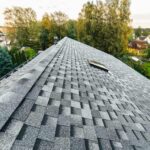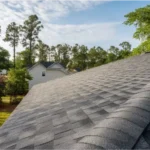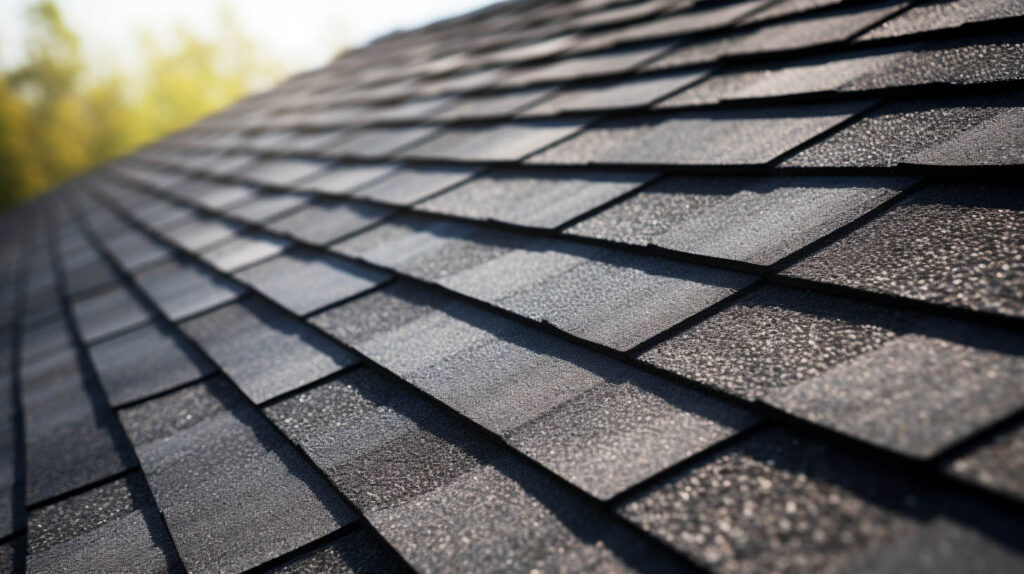
Roof sagging problems are a serious concern for homeowners with shingle roofs. Over time, even a well-installed asphalt shingle system can develop dips, waves, or noticeable sags that threaten both the appearance and the structural integrity of your home. Recognizing the early warning signs and understanding the causes of these issues can help you prevent costly repairs and ensure your roof remains safe and reliable.
Addressing sagging is not just about aesthetics. A compromised roof can lead to leaks, mold growth, and even structural failures if left unchecked. Whether you’re noticing subtle dips or dramatic curves, it’s important to understand what’s happening beneath your shingles and what steps you can take to protect your investment.
If you’re considering a major upgrade or replacement, understanding the roof upgrade cost can help you plan for a more durable and long-lasting solution. Early intervention is key to preventing minor dips from becoming major structural issues.
Common Causes of Sagging in Shingle Roofs
There are several reasons why a shingle roof may begin to sag. Some causes are related to the original construction, while others develop over years of exposure to weather and wear. Here are the most frequent culprits:
- Water Damage: Prolonged leaks or poor drainage can weaken the roof decking and supporting rafters, causing them to warp or rot.
- Improper Installation: If the roof was not installed with adequate support or the wrong materials were used, sagging can develop prematurely.
- Excessive Weight: Heavy layers of shingles, accumulated snow, or debris can overload the structure, especially if multiple shingle layers were added without removing the old ones.
- Age and Deterioration: Over time, wood framing and decking naturally weaken, especially if not properly maintained.
- Pest Infestation: Termites or carpenter ants can damage the wooden components, leading to structural weakness.
How to Spot Roof Sagging Problems Early
Detecting issues early can save you from expensive repairs and potential safety hazards. Here are some signs that your shingle roof may be developing structural concerns:
- Visible dips or curves along the roofline when viewed from the ground
- Interior ceiling cracks or doors that stick, indicating shifting framing
- Shingles that appear wavy or uneven
- Pooling water or slow drainage after rain
- Attic beams or rafters that look warped, cracked, or moist
Regular inspections, especially after storms or heavy snowfall, are crucial for catching these warning signs before they escalate.
Assessing the Severity of Structural Issues
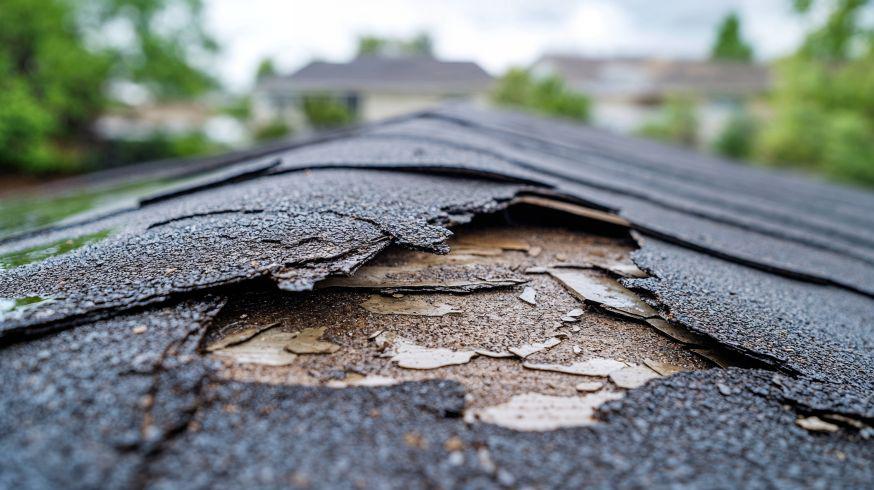
Not all dips or waves mean your roof is on the verge of collapse. However, it’s important to distinguish between minor cosmetic imperfections and serious structural threats. Here’s how you can assess the situation:
- Minor Sagging: Small, shallow dips may be due to aging materials or slight settling. These can often be monitored and addressed during routine maintenance.
- Moderate Sagging: Noticeable curves or unevenness, especially if new, should be evaluated by a roofing professional. These may indicate underlying water damage or framing issues.
- Severe Sagging: Large, deep sags or areas where the roof appears to be pulling away from the walls require immediate attention. This level of damage can signal imminent failure and poses safety risks.
If you’re unsure, it’s always best to consult a qualified roofer. For more details on when to take action, see the asphalt roof failure signs guide.
Repair Options for Sagging Shingle Roofs
The right solution depends on the extent and cause of the sagging. Here are some common repair strategies:
- Reinforcing the Structure: Adding new rafters, braces, or supports can strengthen a weakened roof frame.
- Replacing Damaged Decking: If water damage is localized, replacing sections of plywood or OSB can restore integrity.
- Full Roof Replacement: In cases of widespread rot or severe sagging, a complete tear-off and rebuild may be necessary. Learn more about this process in the replacing old asphalt roof article.
- Improving Drainage: Ensuring gutters and downspouts are clear and functional helps prevent future water-related issues.
Always address the root cause, not just the symptoms. Simply adding new shingles over a sagging deck will not solve the underlying problem and may make things worse.
Preventing Future Roof Sagging Problems
Prevention is always more cost-effective than repair. Here are practical steps to reduce the risk of sagging in your shingle roof:
- Schedule regular roof inspections, especially after severe weather events.
- Keep gutters and downspouts clear to prevent water buildup.
- Address small leaks and damaged shingles promptly using quality products such as roof sealant.
- Remove heavy snow loads in winter to avoid overloading the structure.
- Opt for professional installation and use high-quality materials. For a breakdown of shingle types and their benefits, see this guide to asphalt roofing shingles.
Being proactive with maintenance and repairs can extend the life of your roof and help you avoid unexpected expenses.
When to Call a Professional Roofer
While some minor maintenance tasks can be handled by experienced homeowners, structural issues should always be evaluated by a licensed roofing contractor. If you notice any of the following, seek professional help immediately:
- Rapidly worsening sagging or bowing
- Visible daylight through the roof deck in the attic
- Large leaks or water stains on ceilings and walls
- Unusual creaking or shifting noises from the roof structure
Trying to fix major structural problems without the right expertise can be dangerous and may void your home insurance. For tips on what not to do, review the roofing mistakes to avoid before starting any project.
FAQ: Roof Sagging and Shingle Roof Safety
What are the most common signs of a sagging roof?
The most noticeable signs include dips or curves along the roofline, wavy or uneven shingles, and cracks in interior ceilings. You might also notice doors sticking or attic beams that appear warped or moist.
Can a sagging shingle roof be repaired, or does it always need replacement?
Minor sagging can sometimes be repaired by reinforcing the structure or replacing damaged decking. However, severe or widespread sagging often requires a full roof replacement to restore safety and performance.
How can I prevent roof sagging problems in the future?
Regular inspections, prompt repairs of leaks, keeping gutters clear, and removing excess weight like snow are key preventive steps. Using quality materials and ensuring professional installation also help prevent future issues.
Is it safe to walk on a sagging roof?
No, walking on a roof with visible sagging or structural concerns is unsafe and can cause further damage. Always have a professional assess the situation before attempting any repairs or inspections yourself.
How do I know if my roof decking is damaged?
Signs of damaged decking include soft spots when walking in the attic, visible water stains, or areas where the roof feels spongy. If you suspect damage, consult a roofing expert for a thorough evaluation.
Staying vigilant and addressing roof sagging problems early can save you time, money, and stress. Whether you’re planning a repair or a full replacement, understanding the risks and solutions will help you keep your home safe and sound for years to come. For more detailed planning, check out the asphalt roof replacement guide for step-by-step advice.