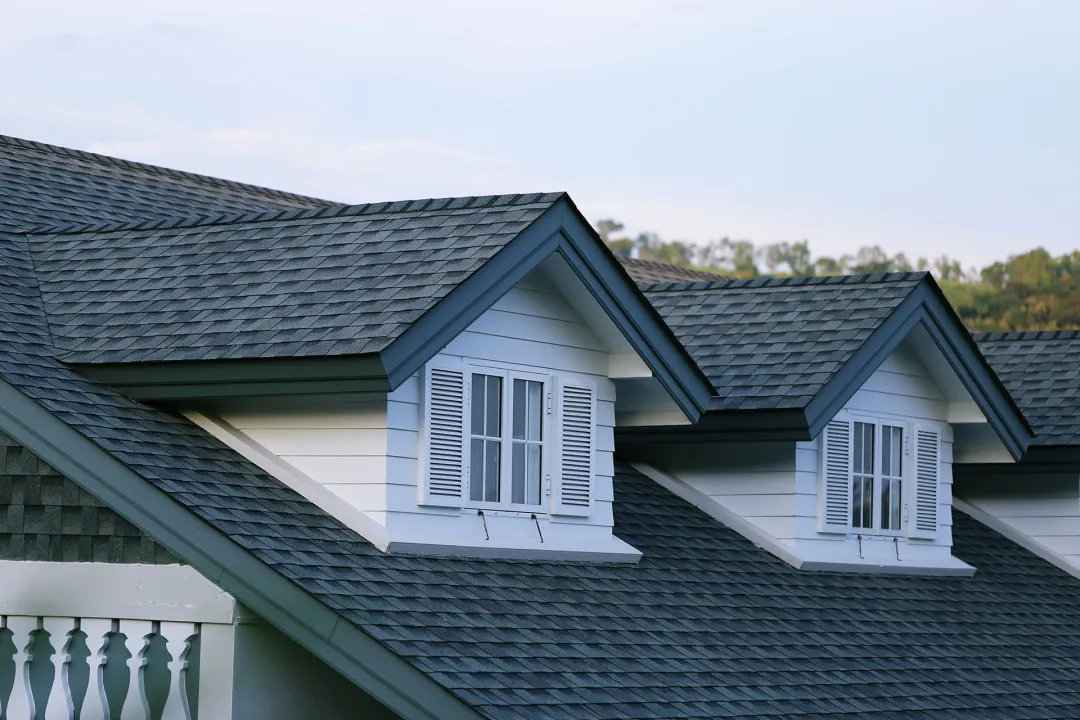
Choosing the right roofing materials is crucial for homes located in regions with frequent and intense rainfall. The ability of a roof to shed water efficiently can make the difference between a dry, protected home and costly water damage. In this guide, we’ll explore the most effective shingles and installation practices for roofing in heavy rain areas, helping homeowners and professionals make informed decisions for long-lasting protection.
Proper shingle selection, underlayment, and installation methods all play a role in defending against leaks and moisture intrusion. If you’re considering a roof upgrade, understanding the roof upgrade cost can help you plan for the best materials and workmanship for your climate.
Why Water Shedding Matters in Rain-Prone Regions
In climates where rainfall is frequent or torrential, roofs must be designed to channel water away as quickly as possible. Prolonged exposure to moisture can lead to:
- Leaks that cause interior damage and mold growth
- Shingle deterioration and premature aging
- Structural issues such as roof sagging problems
- Ice dams (in colder climates) due to trapped water
Effective water shedding is achieved through a combination of steep roof pitch, quality shingles, and proper installation techniques. Let’s examine which shingles perform best in these demanding conditions.
Top Shingle Types for Wet Weather Performance
Not all roofing products are equal when it comes to handling heavy rainfall. Here are the most reliable options for water-resistant roofing:
Architectural Asphalt Shingles
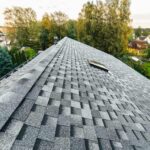
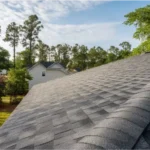
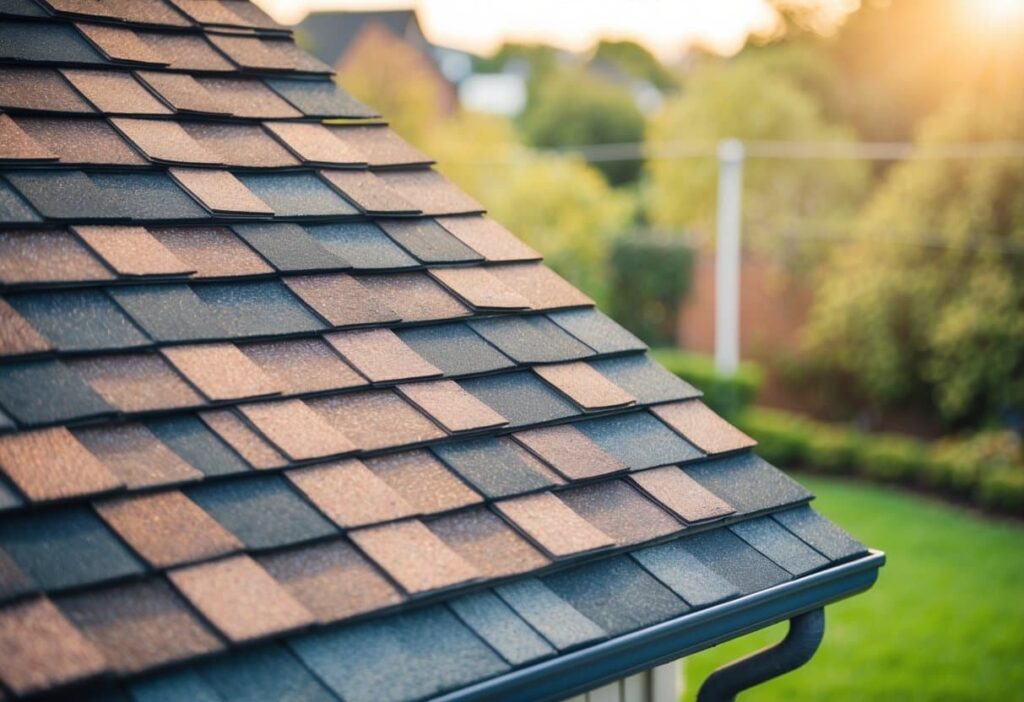
Architectural (or dimensional) asphalt shingles are a popular choice for homes in wet climates. Their layered construction provides extra thickness and durability, helping water flow off the roof efficiently. These shingles often feature advanced adhesives and sealant strips that lock each piece in place, minimizing the risk of wind-driven rain getting underneath.
For more details on the various types and benefits of asphalt shingles, check out this comprehensive guide to asphalt roofing shingles.
Metal Roofing Panels
Metal roofs, especially standing seam panels, are highly effective at shedding water. Their smooth surfaces and interlocking seams allow rain to run off quickly, reducing the likelihood of leaks. Metal is also resistant to algae, moss, and rot, which are common problems in damp environments.
Composite and Synthetic Shingles
Composite shingles made from engineered polymers or recycled materials offer excellent water resistance. They’re designed to mimic the appearance of slate, wood, or tile but with added durability and less susceptibility to water absorption. Many synthetic shingles are rated for extreme weather and carry long warranties.
Clay and Concrete Tiles
While not as common in all regions, clay and concrete tiles are naturally water-shedding due to their shape and installation method. They work best on roofs with a steep pitch, allowing gravity to move water away efficiently. However, these materials are heavier and may require additional structural support.
Key Features to Look for in Rain-Resistant Shingles
When selecting shingles for roofing in heavy rain areas, prioritize these characteristics:
- High Wind and Water Ratings: Choose products tested for wind-driven rain and high wind speeds.
- Sealed Edges: Shingles with factory-applied sealant strips offer better protection against water infiltration.
- Algae Resistance: In humid climates, algae-resistant granules help prevent staining and deterioration.
- Durability: Opt for thicker, multi-layered shingles that can withstand harsh weather and resist cracking.
- Warranty: Look for long-term warranties that cover water damage and weather-related issues.
Installation Best Practices for Maximum Water Shedding
Even the best shingles can fail if not installed correctly. Here are essential installation tips for optimal water management:
- Proper Underlayment: Use a high-quality, waterproof underlayment to provide a secondary barrier against leaks.
- Steep Roof Pitch: Roofs with a pitch of 4:12 or greater shed water more efficiently than flatter designs.
- Starter Strips and Drip Edges: Install starter shingles and metal drip edges along eaves and rakes to prevent water from seeping under the first row.
- Correct Nailing: Follow manufacturer guidelines for nail placement and quantity to avoid shingle blow-off and water intrusion.
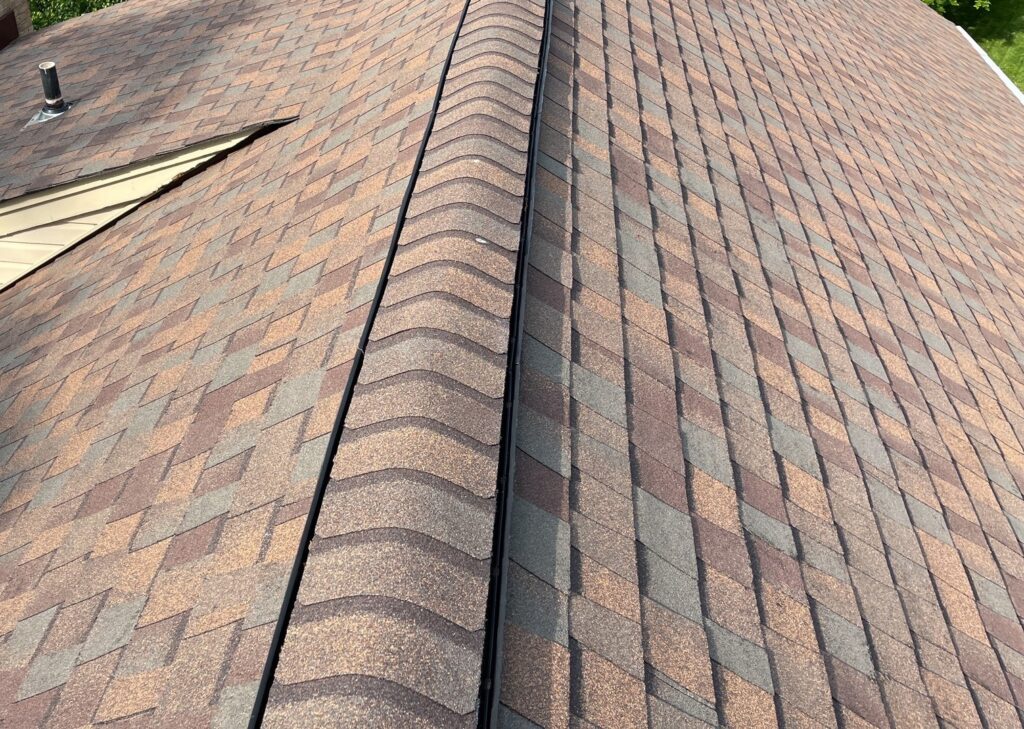
- Flashing: Pay special attention to flashing around chimneys, skylights, and valleys, as these are common leak points.
For those considering a full replacement, our asphalt roof replacement guide covers planning and installation tips specific to wet climates.
Common Mistakes to Avoid in Wet Climate Roofing
To ensure your roof stands up to heavy rainfall, avoid these frequent errors:
- Poor Installation: Inadequate nailing, improper shingle alignment, or skipping underlayment can all lead to leaks. Learn how to spot poor installation roofing issues before they become major problems.
- Neglecting Maintenance: Failing to clear gutters, downspouts, and debris can cause water to back up and seep under shingles.
- Using Low-Quality Materials: Budget shingles may not offer the water resistance or durability needed for high-rainfall areas.
- Ignoring Ventilation: Proper attic ventilation helps prevent condensation and moisture buildup under the roof deck.
Maintenance Tips for Long-Lasting Protection
Even with the best materials and installation, regular maintenance is key to extending the life of your roof in rainy climates:
- Inspect for missing, cracked, or curled shingles after storms.
- Keep gutters and roof valleys clear of leaves and debris.
- Trim overhanging branches to prevent moss and algae growth.
- Check attic and ceiling for signs of leaks or water stains.
- Schedule professional inspections every few years to catch issues early.
If your current roof is showing signs of age, consider replacing old asphalt roof to restore full protection and water-shedding performance.
Frequently Asked Questions
What is the best roof pitch for heavy rain?
A steeper roof pitch, typically 4:12 or higher, is ideal for areas with frequent rainfall. This angle allows water to run off quickly and reduces the risk of pooling or leaks.
How often should shingles be replaced in wet climates?
Quality shingles designed for wet weather can last 20–30 years with proper maintenance. However, if you notice curling, cracking, or granule loss, it may be time for a replacement to maintain optimal water resistance.
Are metal roofs better than shingles for rainy areas?
Metal roofs are highly effective at shedding water and are less prone to leaks than many traditional shingles. However, modern architectural shingles with proper installation can also perform very well in heavy rain regions. The best choice depends on your budget, aesthetic preferences, and local building codes.
What can I do if my roof leaks during heavy rain?
First, try to contain the leak indoors and protect valuables. Then, inspect your roof for missing or damaged shingles, clogged gutters, or compromised flashing. Applying a roof sealant can provide a temporary fix, but professional repair or replacement may be necessary for long-term protection.
Choosing the right shingles and installation methods for roofing in heavy rain areas is essential for protecting your home and investment. By focusing on water-shedding materials, proper installation, and routine maintenance, you can ensure your roof stands up to even the heaviest downpours for years to come.