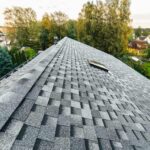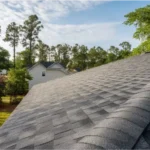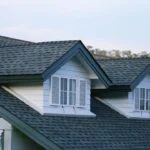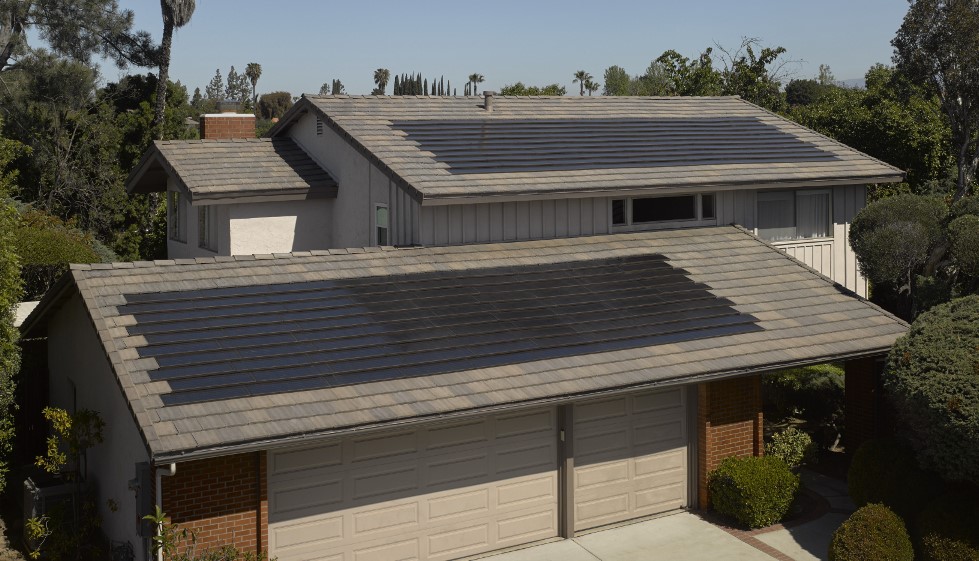
Solar roofs are an increasingly popular choice for homeowners who want to combine energy efficiency with a modern look. However, just like traditional roofing, these systems require regular care and occasional repairs to maintain their performance and longevity. Understanding the best solar roofing repair tips can help you protect your investment and ensure your home remains safe, efficient, and attractive.
Whether you’re dealing with minor issues or planning for long-term maintenance, this guide covers essential advice for inspecting, cleaning, and repairing solar-integrated roofs. We’ll also highlight when to call in professionals and how to avoid common mistakes that could lead to costly damage. For those considering broader upgrades, learning about the roof upgrade cost can help you plan future improvements wisely.
Understanding Solar Roof Construction
Before tackling any repairs, it’s important to understand how solar roofing systems are built. Most solar roofs use either photovoltaic (PV) panels mounted on top of traditional shingles or integrated solar shingles that serve as both the roof covering and the energy generator. Each system has unique maintenance needs and potential repair challenges.
- PV panel systems are typically easier to service, as panels can be removed individually if needed.
- Solar shingles require more specialized attention since the roofing and solar functions are combined in a single layer.
Knowing your roof type will help you follow the right solar roofing repair tips and avoid accidental damage during maintenance.
Key Signs Your Solar Roof Needs Repair
Regular inspections are crucial for catching problems early. Look for these common warning signs:
- Cracked, chipped, or missing solar shingles
- Loose or dislodged PV panels
- Water stains or leaks inside the attic or ceiling
- Decreased energy output or system alerts from your inverter
- Debris buildup, moss, or algae growth on the roof surface
If you notice any of these issues, it’s time to take action. Prompt attention can prevent minor problems from turning into expensive repairs.
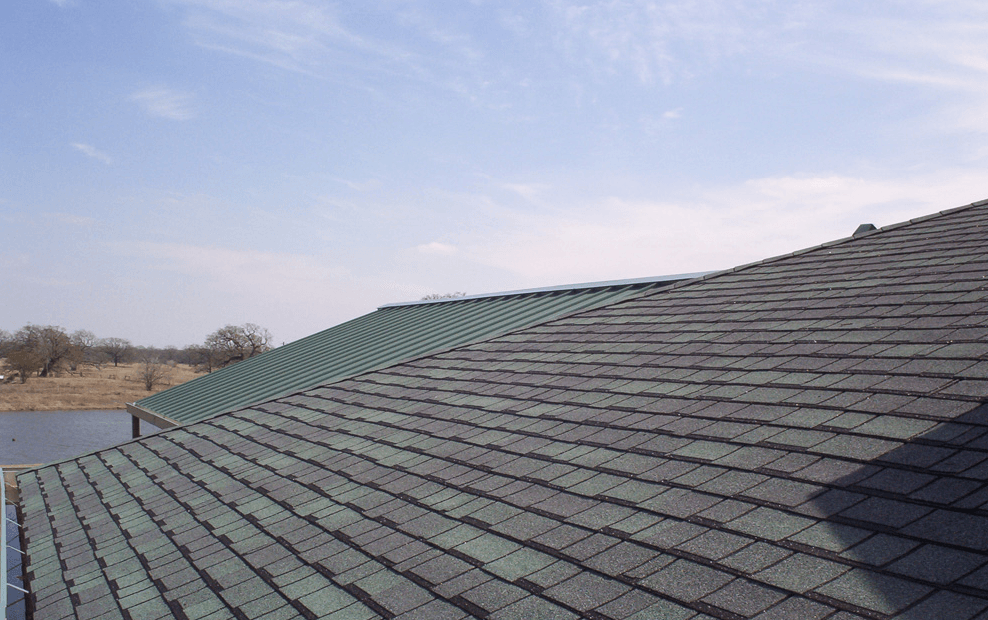
Essential Solar Roofing Repair Tips for Homeowners
Maintaining a solar-integrated roof requires a blend of traditional roofing know-how and solar technology awareness. Here are some of the most effective strategies for keeping your system in top shape:
1. Perform Regular Visual Inspections
At least twice a year, visually inspect your roof for signs of wear, damage, or debris. Use binoculars from the ground or a drone for a safe overview. Pay special attention after storms or high winds, as these can dislodge panels or damage shingles.
2. Keep the Roof Surface Clean
Dirt, leaves, and organic debris can block sunlight and reduce your system’s efficiency. Use a soft-bristled brush or a specialized roof cleaning tool to gently remove buildup. Avoid harsh chemicals or pressure washers, which can damage both the solar and roofing materials. For stubborn grime, a mild soap solution and plenty of water will usually suffice.
3. Monitor System Performance
Most solar systems include monitoring apps or inverters that track energy production. If you notice a sudden drop in output, investigate immediately. Sometimes, the issue is as simple as shading from a new tree branch, but it could also indicate a damaged panel or electrical fault.
4. Address Minor Repairs Promptly
Small issues like cracked shingles or loose mounting brackets should be fixed as soon as possible. For traditional shingle roofs, you can often replace a damaged shingle yourself. With solar shingles, it’s best to consult your installer or a qualified technician to avoid voiding warranties or causing further damage.
If you’re unsure about the extent of the problem, consider referencing resources like the replacing old asphalt roof guide for general repair approaches, or contact a professional for an assessment.
5. Know When to Call a Professional
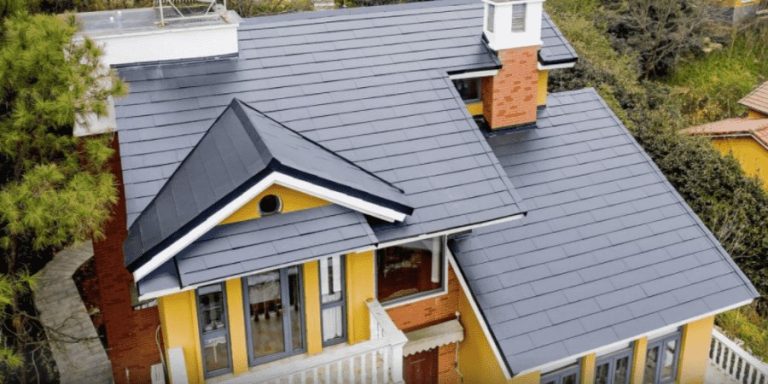
Some repairs, especially those involving electrical connections or integrated solar shingles, should only be handled by licensed professionals. Attempting DIY fixes on these components can be dangerous and may void your warranty. If you suspect a serious issue, such as water infiltration or electrical faults, contact your installer or a certified roofing contractor with solar experience.
Preventing Common Solar Roof Problems
Preventive maintenance is the best way to avoid expensive repairs. Here are a few proactive steps:
- Trim overhanging branches to reduce debris and shading.
- Check flashing and seals around penetrations to prevent leaks.
- Schedule annual professional inspections, especially if your roof is older or exposed to severe weather.
- Review your warranty and maintenance agreements to understand what’s covered.
For more on spotting installation mistakes that can lead to future issues, see the poor installation roofing issues resource.
Improving Efficiency and Longevity
Beyond basic repairs, there are steps you can take to maximize your solar roof’s performance and lifespan:
- Consider upgrading to high-performance shingles if your current roof is aging. Learn more about the asphalt roof replacement guide for planning a new installation.
- Install a monitoring system if your setup doesn’t already include one.
- Explore cool roof technologies, which can reduce heat absorption and improve energy efficiency. The U.S. Department of Energy’s cool roofs guide offers helpful information on this topic.
Staying proactive with these measures will help you get the most from your solar investment.
Frequently Asked Questions
How often should I inspect my solar roof for damage?
It’s recommended to inspect your solar roof at least twice a year, ideally in the spring and fall. Additional checks after severe weather events can help catch problems early.
Can I clean my solar panels myself, or should I hire a professional?
Most homeowners can safely clean solar panels using a soft brush and water. Avoid harsh chemicals and pressure washers. For hard-to-reach areas or stubborn buildup, consider hiring a professional cleaning service.
What should I do if my solar system’s energy output drops suddenly?
First, check for obvious issues like debris or shading. If the problem persists, review your monitoring system for alerts. Persistent drops in output may indicate a damaged panel or electrical issue, which should be assessed by a qualified technician.
Will repairing my solar roof void the warranty?
DIY repairs on solar shingles or electrical components can void warranties. Always check your warranty terms and contact your installer or manufacturer before attempting repairs.