Ice dams are a common winter headache for homeowners in colder climates. When snow accumulates on a roof and then melts unevenly, it can refreeze at the eaves, forming a barrier that traps water. This trapped water can seep under shingles, causing leaks, water damage, and even structural issues. Understanding how to prevent ice dams is crucial for protecting your home and avoiding costly repairs.
One of the most effective strategies for stopping ice dams is ensuring your attic and roof are properly insulated. Good insulation keeps heat inside your living spaces and out of your attic, reducing the risk of snow melting unevenly on your roof. In this article, we’ll explore the causes of ice dams, the role of insulation, and practical steps you can take to safeguard your home.
Before diving into insulation techniques, it’s also important to consider the overall health of your roof. If you’re planning upgrades or repairs, reviewing the roof upgrade cost can help you make informed decisions about materials and installation methods that further reduce ice dam risks.
Understanding the Causes of Ice Dams
Ice dams form when warm air from inside your home escapes into the attic, warming the underside of the roof and causing snow to melt. As this meltwater runs down the roof, it reaches the colder eaves and refreezes, creating a dam. Over time, water pools behind the dam and can work its way under shingles, leading to leaks and damage.
- Poor attic insulation allows heat to rise and escape through the roof.
- Inadequate ventilation traps warm air in the attic, exacerbating the problem.
- Blocked soffit vents or improper roof design can also contribute to uneven roof temperatures.
Recognizing these causes is the first step toward implementing effective solutions.
Why Proper Insulation Matters for Ice Dam Prevention
The key to stopping ice dams is maintaining a cold roof deck. This is achieved by minimizing heat loss from your living spaces into the attic. Proper insulation acts as a barrier, keeping warm air where it belongs and preventing it from warming the roof.
When insulation is lacking or unevenly distributed, hot spots can develop on the roof, causing snow to melt in patches. By upgrading or adding insulation, you create a consistent thermal barrier that helps keep the entire roof surface cold, reducing the risk of ice dam formation.

Best Insulation Methods to Stop Ice Dams
There are several insulation options available, each with its own benefits. The right choice depends on your home’s construction, climate, and budget.
1. Attic Floor Insulation
Adding or upgrading insulation on the attic floor is one of the most effective ways to prevent heat from rising into the attic. Materials such as fiberglass batts, blown-in cellulose, or spray foam can all be used. Aim for an insulation value (R-value) that meets or exceeds local building codes for your region.
2. Air Sealing
Insulation works best when combined with thorough air sealing. Gaps, cracks, and penetrations (such as around light fixtures, plumbing vents, and attic hatches) allow warm air to leak into the attic. Use caulk or expanding foam to seal these areas before adding insulation.
3. Roof Deck Insulation
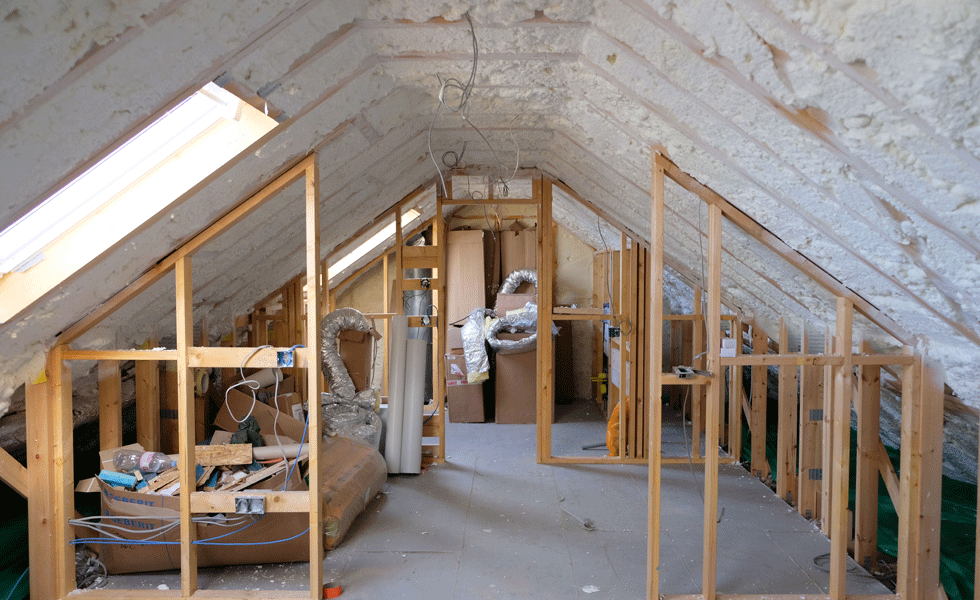
In some cases, especially during major renovations or new construction, insulating the roof deck itself with rigid foam or spray foam can provide superior protection. This approach is particularly effective for homes with complex rooflines or cathedral ceilings.
Ventilation: The Other Half of the Equation
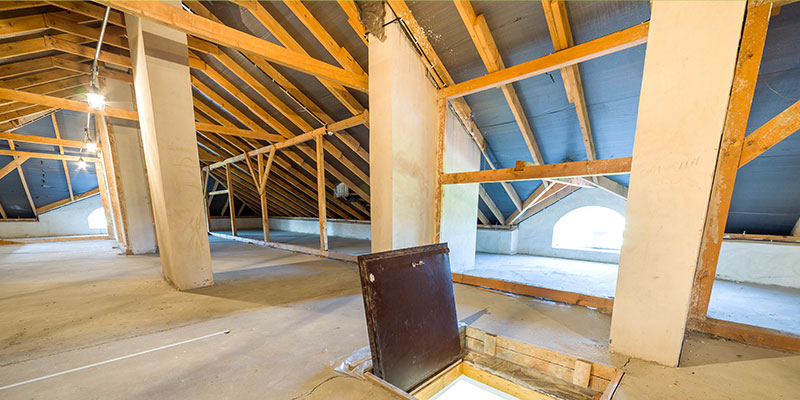
While insulation is critical, proper attic ventilation is equally important for controlling attic temperature and moisture. Soffit vents, ridge vents, and gable vents work together to allow cold air to enter and warm air to exit, keeping the attic cool and dry.
- Check that soffit vents are not blocked by insulation or debris.
- Ensure there is a clear path for air to flow from the eaves to the ridge.
- Consider adding additional vents if your attic feels stuffy or excessively warm in winter.
A balanced approach—combining insulation and ventilation—offers the best protection against ice dams.
Additional Steps to Reduce Ice Dam Risk
Beyond insulation and ventilation, several other measures can help minimize the chances of ice dams forming:
- Remove snow from your roof after heavy storms using a roof rake (from the ground, never climb onto an icy roof).
- Install ice and water shield membranes under roofing materials, especially along eaves and valleys, to provide extra leak protection.
- Upgrade to high-performance shingles that are designed to resist water infiltration. For more on this, see our guide on roof upgrade cost.
- Address any poor installation roofing issues that could compromise your roof’s ability to shed water effectively.
Regular maintenance and timely upgrades can make a significant difference in your home’s resilience to winter weather.
Signs Your Home Needs Better Insulation
Not sure if your attic is adequately insulated? Watch for these warning signs:
- Frequent or recurring ice dams along your roof’s edge
- Uneven snow melt patterns on your roof
- Cold drafts or fluctuating temperatures inside your home
- High heating bills during winter months
- Visible gaps or thin spots in attic insulation
If you notice any of these issues, it’s worth having a professional assess your insulation and ventilation setup.
Professional Help vs. DIY: What’s Best?
While some homeowners are comfortable adding insulation themselves, hiring a professional ensures the job is done thoroughly and safely. Professionals can identify hidden air leaks, recommend the best insulation type for your home, and ensure proper installation. This is especially important if your home has complex rooflines or existing moisture problems.
If you choose to tackle the project yourself, be sure to follow safety guidelines, use the right materials, and avoid blocking ventilation paths.
FAQ
How does insulation help prevent ice dams?
Insulation keeps warm air inside your living spaces and out of the attic, which helps maintain a cold roof surface. This prevents the uneven melting and refreezing of snow that leads to ice dam formation.
What type of insulation is best for stopping ice dams?
Blown-in cellulose, fiberglass batts, and spray foam are all effective options. The best choice depends on your attic’s layout, your budget, and your local climate. Spray foam offers excellent air sealing and high R-value, while blown-in options are ideal for filling gaps in existing insulation.
Can poor roof installation contribute to ice dams?
Yes, improper installation can create gaps and weak points where water can enter. If you suspect issues, consider reading about poor installation roofing issues to learn what to look for and how to address them.
Is ventilation as important as insulation?
Absolutely. Even the best insulation won’t prevent ice dams if your attic can’t vent out warm, moist air. Proper ventilation works hand-in-hand with insulation to keep your attic cool and dry.
Should I remove ice dams myself?
It’s safest to remove snow from the ground using a roof rake. Avoid climbing onto the roof, as icy conditions are hazardous. For persistent problems, consult a professional to address the underlying insulation or ventilation issues.
By focusing on how to prevent ice dams through effective insulation and ventilation, you can protect your home from winter water damage, improve energy efficiency, and enjoy peace of mind all season long.