For homeowners and property managers, understanding how asphalt shingles perform against harsh weather is essential for long-term protection and value. This asphalt roof durability guide explores how modern shingles are engineered to resist wind and rain, what factors affect their lifespan, and how you can maximize the resilience of your roof. Whether you’re planning a replacement or maintaining an existing installation, knowing the strengths and vulnerabilities of asphalt roofing will help you make informed decisions.
Before diving into the technical details, it’s important to recognize that not all asphalt shingles are created equal. Quality, installation, and ongoing care all play a role in how well your roof stands up to the elements. If you’re considering an upgrade, understanding the roof upgrade cost can help you weigh your options for investing in high-performance shingles.
What Makes Asphalt Shingles Durable?
Asphalt shingles are popular for their balance of affordability, versatility, and weather resistance. Their durability comes from a combination of materials and manufacturing techniques designed to withstand the challenges of wind, rain, and temperature fluctuations.
- Fiberglass Mat Core: Most modern shingles use a fiberglass mat, which provides structural strength and flexibility. This core helps prevent cracking and splitting during storms.
- Asphalt Coating: The asphalt layer acts as a waterproof barrier, keeping moisture from penetrating the roof deck.
- Ceramic Granules: These granules protect the asphalt from UV rays and add an extra layer of defense against impact and abrasion.
Manufacturers test shingles for wind uplift, water penetration, and impact resistance. Look for products with high ratings in these categories for the best performance in storm-prone regions.
How Asphalt Roofs Stand Up to Wind
Wind is one of the most common threats to shingle roofs. Strong gusts can lift, curl, or even tear off shingles if they’re not properly secured or if the materials are subpar. The asphalt roof durability guide highlights several factors that influence wind resistance:
- Shingle Design: Architectural (laminated) shingles tend to be heavier and more wind-resistant than basic three-tab styles.
- Installation Quality: Proper nailing patterns and secure adhesion are critical. Poor installation can leave shingles vulnerable, regardless of their rating.
- Manufacturer Ratings: Many premium shingles are rated to withstand winds of 110–130 mph or more. Always check the product’s wind warranty.
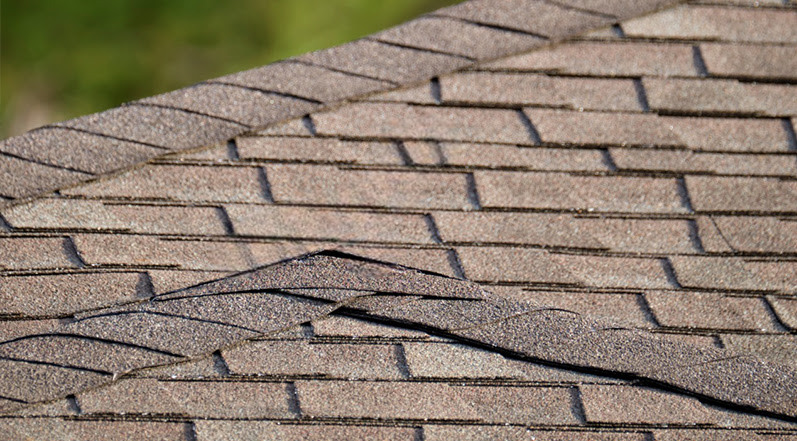
If you notice missing or damaged shingles after a storm, prompt repairs are essential to prevent leaks and further deterioration. For more on identifying workmanship issues, see the article on poor installation roofing issues.
Rain Protection and Water Shedding
One of the primary purposes of any roof is to keep water out. Asphalt shingles excel at shedding rain when installed correctly and maintained over time. Here’s how they achieve reliable water resistance:
- Overlapping Layers: Shingles are installed in overlapping rows, directing water down and off the roof rather than allowing it to seep underneath.
- Sealant Strips: Many shingles feature adhesive strips that bond with heat from the sun, creating a watertight seal against wind-driven rain.
- Proper Flashing: Metal flashing around chimneys, vents, and valleys prevents water from entering vulnerable joints.
Regular inspections are key to catching issues like cracked or missing shingles, deteriorated sealant, or damaged flashing. Addressing these problems early can extend the life of your roof and prevent costly water damage inside your home.
Factors That Affect Asphalt Roof Longevity
While asphalt shingles are engineered for durability, several factors can shorten or extend their effective lifespan. Understanding these influences helps you plan maintenance and anticipate when replacement may be needed.
- Climate: Extreme heat, frequent freeze-thaw cycles, and high humidity all accelerate wear and tear.
- Roof Slope: Steeper roofs shed water more quickly, reducing the risk of leaks and pooling.
- Ventilation: Proper attic ventilation prevents heat and moisture buildup, which can degrade shingles from below.
- Maintenance: Removing debris, cleaning gutters, and addressing minor repairs promptly will help your roof last longer.
On average, a well-installed asphalt shingle roof can last 20–30 years. Premium products, ideal climate conditions, and diligent care can push that lifespan even further. If your roof is nearing the end of its service life, you may want to consult the asphalt roof replacement guide for planning your next installation.
Maintenance Tips for Maximum Durability
Routine care is essential for keeping your asphalt roof in top shape. Here are practical steps to ensure your shingles withstand wind and rain for as long as possible:
- Inspect Annually: Check for missing, curled, or cracked shingles, especially after severe weather.
- Clean Debris: Remove leaves, branches, and moss to prevent moisture retention and granule loss.
- Seal Vulnerable Areas: Apply roof sealant to flashing, vents, and exposed fasteners as needed.
- Maintain Gutters: Keep gutters and downspouts clear to avoid water backup and ice dams.
- Trim Overhanging Branches: Prevent falling limbs and minimize shade that can encourage moss growth.

For more detailed advice on full tear-offs and reinstallation, see the guide on replacing old asphalt roof.
Choosing the Right Asphalt Shingles for Your Climate
Not all shingles are suited for every environment. When selecting a product, consider your region’s weather patterns and look for features that address your specific needs:
- High Wind Zones: Opt for shingles with enhanced wind warranties and reinforced nailing strips.
- Heavy Rainfall: Choose products with strong sealant strips and proven water-shedding capabilities.
- Hail-Prone Areas: Impact-resistant shingles can reduce the risk of punctures and granule loss.
- Algae Resistance: In humid climates, look for shingles with copper or zinc granules to prevent staining.
For a deeper understanding of how your shingle system works, the simple guide to understanding your asphalt shingle roofing system offers additional insights into construction and performance.
Common Signs of Wear and When to Replace
Even the most durable asphalt roofs will eventually show signs of aging. Watch for these indicators that it may be time to consider repairs or replacement:
- Granule Loss: Excessive granules in gutters or bald spots on shingles reduce UV protection.
- Curling or Buckling: Shingles that curl or buckle are more likely to be damaged by wind and water.
- Widespread Cracking: Cracks allow water to penetrate and can lead to leaks.
- Persistent Leaks: Water stains on ceilings or attic sheathing signal compromised waterproofing.
- Age: If your roof is over 20 years old, it’s wise to plan for replacement even if problems aren’t yet visible.
Addressing these issues promptly can prevent structural damage and costly repairs. For concerns about structural integrity, see the article on roof sagging problems.
FAQ: Asphalt Shingle Roofs and Weather Resistance
How long do asphalt shingles typically last in areas with frequent storms?
In regions with regular high winds and heavy rain, quality asphalt shingles can last 15–25 years if installed and maintained properly. Premium products and attentive care can extend this lifespan. Regular inspections after major storms are especially important in these environments.
What maintenance steps help prevent wind and rain damage?
Key steps include annual inspections, prompt repair of damaged shingles, keeping gutters clear, trimming overhanging trees, and applying sealant to vulnerable areas. Addressing minor issues quickly prevents them from becoming major problems.
Are there specific shingle types best for high-wind or wet climates?
Yes. Architectural shingles with high wind ratings and strong adhesive strips are ideal for windy areas. For wet climates, choose products with robust water-shedding features and algae resistance. Always check manufacturer specifications for your climate zone.