Replacing an aging or damaged asphalt roof is a significant home improvement project that can protect your property, boost curb appeal, and improve energy efficiency. This asphalt roof replacement guide is designed to help homeowners understand the process, make informed decisions, and avoid common pitfalls when preparing for a new roof installation. Whether you’re tackling the project yourself or hiring a professional, careful planning is essential for a successful outcome.
Knowing when to replace your roof, what materials to choose, and how to prepare for installation will ensure your investment lasts for decades. For those unsure if it’s time for a new roof, reviewing the asphalt roof failure signs can help you determine if immediate action is needed. Let’s walk through the key steps and considerations for planning your new asphalt shingle roof.
When Should You Replace Your Asphalt Roof?
Understanding the right time to replace your roof is crucial. Most asphalt shingles last between 15 and 30 years, depending on the quality of materials, installation, and local climate. However, several signs indicate it’s time for a new roof:
- Multiple leaks or water stains inside your home
- Missing, cracked, or curling shingles
- Granule loss, leaving bald patches on shingles
- Sagging roof deck or visible structural issues
- Frequent repairs or persistent problems after storms
If you’re experiencing these issues, a full replacement may be more cost-effective than ongoing repairs. For a detailed look at the process, see this helpful resource on replacing old asphalt roof projects.
Choosing the Right Asphalt Shingles for Your Home
Asphalt shingles come in several varieties, each with unique benefits. The two main types are:
- Three-tab shingles: Affordable, lightweight, and easy to install, but generally have a shorter lifespan.
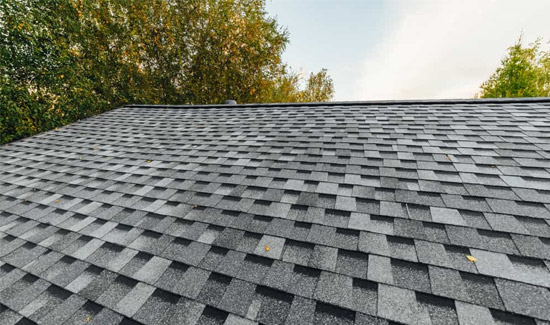
- Architectural (dimensional) shingles: Thicker, more durable, and offer a layered look that can mimic slate or wood shakes.
When selecting shingles, consider the following factors:
- Warranty: Look for products with strong manufacturer warranties, often ranging from 20 years to lifetime coverage.
- Color and style: Choose a color that complements your home’s exterior and neighborhood aesthetic.
- Weather resistance: In areas prone to heavy rain, snow, or wind, opt for shingles rated for enhanced durability.
For more details on the composition and advantages of asphalt shingles, visit this comprehensive overview of asphalt shingle roofing.

Preparing for a Successful Roof Installation
Proper preparation is key to a smooth and efficient roof replacement. Here’s what to consider before work begins:
- Hire a qualified contractor: Research local roofing companies, check references, and verify insurance and licensing. Get multiple quotes to compare pricing and services.
- Obtain permits: Most municipalities require permits for roof replacements. Your contractor should handle this, but confirm before work starts.
- Schedule at the right time: Plan your project during a period of mild, dry weather to minimize delays and potential water damage.
- Prepare your property: Move vehicles, cover landscaping, and secure outdoor furniture. Notify neighbors about potential noise and debris.
- Protect your attic and valuables: Remove or cover items in your attic to prevent dust and debris from settling during the tear-off and installation.
Being proactive with these steps will help avoid unnecessary stress and ensure your new roof is installed efficiently.
Understanding the Asphalt Roof Replacement Process
The installation process typically follows these steps:
- Old roof removal: The existing shingles and underlayment are stripped down to the roof deck. This exposes any hidden damage that needs repair.
- Deck inspection and repair: Contractors check for rot or structural issues and replace damaged wood as needed.
- Underlayment installation: A waterproof barrier is installed to protect against leaks.
- Shingle installation: New shingles are laid in overlapping rows, starting from the bottom edge and working upward.
- Flashing and ventilation: Metal flashing is installed around chimneys, vents, and valleys. Proper ventilation is added or improved to extend roof life.
- Cleanup and inspection: Debris is removed, and a final inspection ensures the roof meets quality standards and manufacturer requirements.
For a deeper dive into common errors during installation, check out these roofing mistakes to avoid to ensure your project goes smoothly.
Tips for Maximizing the Lifespan of Your New Asphalt Roof
Once your new roof is installed, ongoing maintenance will help protect your investment:
- Inspect your roof at least twice a year and after major storms for signs of damage or wear.
- Keep gutters and downspouts clear to prevent water backup and ice dams.
- Trim overhanging tree branches to reduce debris and minimize the risk of impact damage.
- Address minor repairs, such as cracked asphalt shingles, promptly to prevent leaks from spreading.
- Consider using sealant for roof shingles to reinforce vulnerable areas and extend the life of your roof.
Regular care and attention will help your roof reach or exceed its expected lifespan, saving you money and stress in the long run.
Cost Considerations and Budgeting for Roof Replacement
The cost of a new asphalt shingle roof varies based on several factors:
- Roof size and pitch: Larger or steeper roofs require more materials and labor.
- Material quality: Premium shingles and underlayment increase costs but often deliver better performance.
- Removal and disposal: Tearing off old roofing and disposing of debris adds to the total expense.
- Local labor rates: Prices differ by region and contractor experience.
On average, homeowners can expect to pay between $5,000 and $12,000 for a complete asphalt shingle roof replacement. Always get detailed written estimates and clarify what is included before signing a contract.
Frequently Asked Questions
How long does it take to replace an asphalt shingle roof?
Most residential asphalt shingle roofs can be replaced in one to three days, depending on the size and complexity of the roof, weather conditions, and the contractor’s crew size.
Can I install new shingles over my old roof?
While it’s sometimes possible to install a new layer of shingles over an existing one, a full tear-off is usually recommended. Removing old shingles allows for a thorough inspection of the roof deck and ensures a longer-lasting, higher-quality installation.
What maintenance does a new asphalt roof require?
Routine maintenance includes clearing debris, cleaning gutters, inspecting for damage, and addressing minor repairs quickly. In snowy climates, consider snow resistant roof shingles to help prevent ice dam damage.
How do I choose the best contractor for my roof replacement?
Look for licensed, insured, and experienced roofing contractors with positive reviews and references. Always get multiple quotes and ask about warranties, installation methods, and cleanup procedures.
Planning your new asphalt shingle roof doesn’t have to be overwhelming. With the right information and careful preparation, you can ensure a smooth installation and enjoy lasting protection for your home.