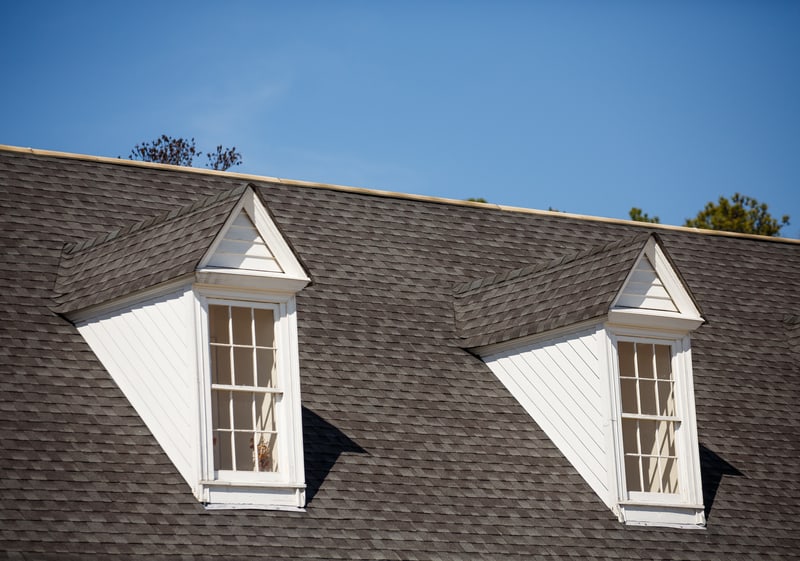
When it comes to residential roofing, few options are as popular or versatile as asphalt roof materials. These systems have evolved significantly over the decades, offering homeowners a blend of durability, affordability, and design flexibility. Understanding what goes into these shingles—from the core mat to the surface granules—can help you make informed decisions about installation, maintenance, and upgrades.
Whether you’re planning a new roof, considering a replacement, or simply want to know what’s overhead, this guide breaks down the essential layers and components that make up modern asphalt shingles. We’ll also touch on how these materials impact performance, longevity, and the overall look of your home.
For those considering a major upgrade, understanding the roof upgrade cost can help you budget for premium materials and advanced shingle options. Investing in quality components up front often pays off in fewer repairs and longer-lasting protection.
Core Components of Asphalt Shingles
The anatomy of an asphalt shingle is more complex than it might appear from the street. Each layer serves a specific purpose, working together to provide weather resistance, structural strength, and aesthetic appeal. Here’s a closer look at the main elements:
- Base Mat: The foundational layer, typically made from fiberglass or organic felt, provides shape and tensile strength.
- Asphalt Coating: Saturates and coats the mat, delivering waterproofing and flexibility.
- Adhesive Strips: Self-sealing strips bond shingles together, improving wind resistance.
- Protective Granules: Mineral granules on the surface shield the asphalt from UV rays and add color.
Fiberglass vs. Organic Mats
The core mat is the backbone of any shingle, and the choice between fiberglass and organic felt has a direct impact on performance. Most modern asphalt roof materials use fiberglass mats, but it’s helpful to understand both options:
- Fiberglass Mats: Made from woven glass fibers, these mats are lightweight, fire-resistant, and less prone to warping. They absorb less asphalt, making them thinner and often more affordable.
- Organic Felt Mats: Constructed from cellulose fibers (often recycled paper), these mats are thicker and heavier due to higher asphalt content. While they offer good flexibility, they’re less fire-resistant and have largely been phased out in favor of fiberglass.
The Role of Asphalt in Shingle Performance
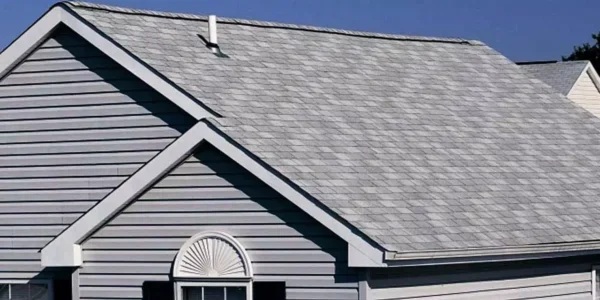
Asphalt is the waterproofing agent that gives these shingles their name. It’s applied to the mat in two forms: as a saturant and as a coating. The quality and quantity of asphalt used can affect shingle flexibility, resistance to cracking, and overall lifespan.
Modern manufacturing processes use oxidized or polymer-modified asphalt, which enhances flexibility and weather resistance. This is especially important in climates with extreme temperature swings, where shingles must expand and contract without losing integrity.
Protective Granules: More Than Just Color
The top layer of mineral granules is crucial for both function and curb appeal. These granules are typically made from crushed stone or ceramic-coated minerals. Their main jobs include:
- Shielding the asphalt from UV degradation
- Adding fire resistance
- Providing color and texture options
- Improving resistance to impact and algae growth (when treated with special coatings)
Some premium shingles feature granules with reflective properties, which can help reduce heat absorption and lower cooling costs in hot climates.
Types of Asphalt Shingles and Their Material Differences
There are several styles of shingles, each with distinct material characteristics:
- Three-Tab Shingles: The most basic type, made from a single layer of material. Lightweight and affordable, but with a shorter lifespan.
- Architectural (Dimensional) Shingles: These feature multiple layers of asphalt and granules, creating a thicker, more durable product with a textured appearance.
- Luxury Shingles: The heaviest and most robust, designed to mimic slate or wood shakes. They use more asphalt and granules for maximum longevity and style.
Material quality varies between these types, with higher-end options generally offering better wind, hail, and fire resistance. For a deeper dive into shingle classes and what they mean for your roof, see this comprehensive breakdown of asphalt shingle classes.
Installation and Longevity Factors
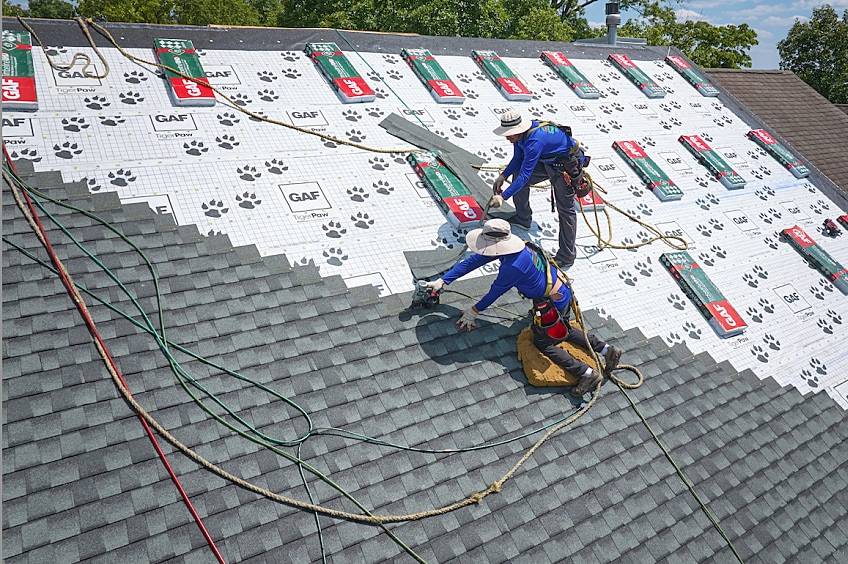
Even the best asphalt roof materials can underperform if not installed correctly. Proper nailing, underlayment selection, and ventilation all contribute to the effectiveness and lifespan of your roof. Poor workmanship can lead to premature failure, leaks, or even roof sagging problems that compromise structural integrity.
Routine inspections and timely repairs—such as sealing minor leaks or replacing damaged shingles—are essential for maximizing the value of your investment. Using the right sealant and matching replacement shingles ensures a consistent barrier against the elements.
When to Replace or Upgrade Your Asphalt Roof
Signs that it’s time for a new roof include widespread granule loss, curling or cracked shingles, and visible leaks. If your roof is nearing the end of its expected lifespan (typically 20–30 years for quality materials), consider a full replacement rather than patchwork repairs. For a step-by-step overview, check out the asphalt roof replacement guide for planning your installation.
Upgrading to architectural or luxury shingles can boost curb appeal and increase your home’s value. While the initial investment is higher, the enhanced durability and extended warranty coverage often justify the cost over time.
Common Issues and How to Address Them
Even with robust materials, asphalt roofs can develop problems such as algae growth, wind damage, or improper installation. Regular maintenance and prompt attention to issues can prevent minor concerns from becoming major headaches. If you suspect installation errors, review this resource on poor installation roofing issues to know what to look for and how to address them.
FAQ
What is the difference between fiberglass and organic asphalt shingles?
Fiberglass shingles use a glass fiber mat, making them lighter, more fire-resistant, and less prone to warping compared to organic shingles, which use a cellulose mat. Organic options are heavier and have mostly been replaced by fiberglass in modern roofing.
How long do asphalt shingle roofs typically last?
With quality materials and proper installation, most asphalt shingle roofs last 20–30 years. Architectural and luxury shingles can sometimes exceed this range, especially with regular maintenance and good attic ventilation.
Can I install new asphalt shingles over old ones?
While it’s possible to layer new shingles over a single existing layer, it’s generally better to remove old materials first. Tear-off installations allow for inspection of the roof deck and ensure a longer-lasting, more reliable result. For more on this process, see the guide on replacing old asphalt roof.