Proper roof insulation plays a crucial role in maintaining a comfortable indoor environment and reducing energy bills. Many homeowners look for ways to boost the performance of their existing insulation without a full renovation. Whether you’re dealing with high utility costs, uneven temperatures, or simply want to make your home more energy-efficient, understanding the best methods to enhance your roof’s thermal barrier can deliver fast and lasting results.
This guide covers practical steps and proven strategies to increase the effectiveness of your attic or roof insulation. We’ll discuss common issues, quick upgrades, and how to spot when professional help is needed. Along the way, you’ll find tips on materials, installation, and maintenance to ensure your efforts pay off.
For those considering a broader home upgrade, understanding the roof upgrade cost can help you plan both insulation and roofing improvements together for maximum efficiency.
Why Roof Insulation Efficiency Matters
Improving the thermal performance of your roof is one of the most effective ways to lower heating and cooling expenses. Poor insulation allows heat to escape in winter and enter in summer, forcing your HVAC system to work harder. This not only increases energy consumption but can also shorten the lifespan of your heating and cooling equipment.
Key benefits of optimizing your attic or roof insulation include:
- Lower energy bills due to reduced heat loss or gain
- More consistent indoor temperatures throughout the year
- Enhanced comfort in living spaces directly below the roof
- Potential increase in property value
- Reduced environmental impact from lower energy usage
Assessing Your Current Roof Insulation
Before making improvements, it’s important to evaluate the condition and type of insulation currently in place. Look for these common signs of poor performance:
- Drafts or cold spots in upper rooms
- Noticeable temperature differences between floors
- High heating or cooling bills
- Visible gaps, compressed, or damp insulation in the attic
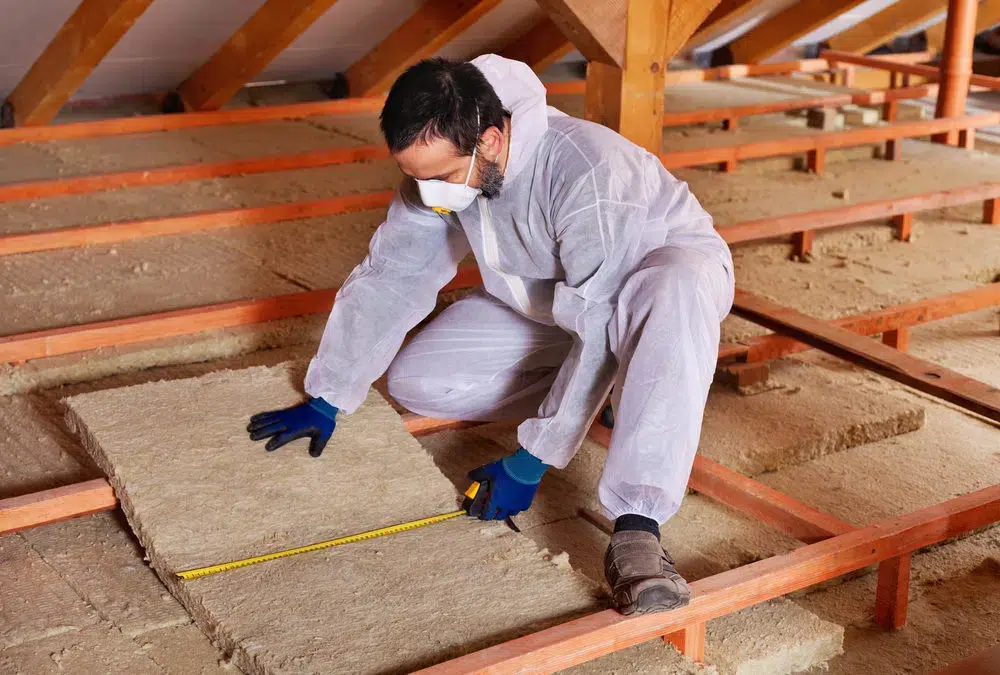
Measuring the thickness and coverage of your attic insulation can help determine if you meet recommended R-values for your climate. If you notice any of these issues, it’s time to consider upgrades or repairs.

Quick Ways to Boost Roof Insulation Performance
There are several effective and relatively fast methods to enhance the efficiency of your attic or roof insulation. Here are some of the most impactful steps:
Add or Upgrade Attic Insulation
One of the simplest ways to increase thermal resistance is to add a new layer of insulation over the existing material. Common options include fiberglass batts, blown-in cellulose, or spray foam. Each type has its own advantages in terms of cost, installation speed, and performance. Make sure to:
- Fill any gaps or low spots for even coverage
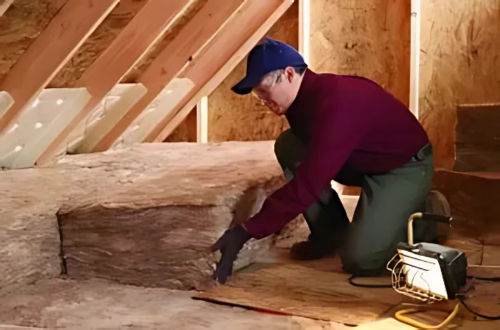
- Avoid compressing insulation, which reduces its effectiveness
- Check for moisture issues before adding new material
Seal Air Leaks for Maximum Impact
Even the best insulation can’t perform well if air leaks are present. Sealing gaps around attic hatches, plumbing vents, electrical penetrations, and light fixtures can make a dramatic difference. Use expanding foam, caulk, or weatherstripping to close these openings. Pay special attention to:
- Attic access doors and pull-down stairs
- Chimney and flue penetrations
- Recessed lighting fixtures
Addressing air leaks not only improves insulation efficiency but also helps prevent moisture problems and drafts.
Upgrade Roof Ventilation
Proper ventilation is essential for maintaining insulation performance and extending roof life. Without adequate airflow, heat and moisture can build up in the attic, reducing the effectiveness of your insulation and potentially leading to mold or rot. Consider adding or improving:
- Ridge vents or soffit vents for balanced airflow
- Attic fans to remove excess heat in summer
- Gable vents for additional cross-ventilation
Choosing the Right Insulation Materials
The type of insulation you select can greatly affect how quickly and effectively you can improve your roof’s thermal barrier. Here’s a quick overview of popular options:
| Material | R-Value per Inch | Best Use | Speed of Installation |
|---|---|---|---|
| Fiberglass Batts | 2.9–3.8 | DIY attic upgrades | Fast |
| Blown-In Cellulose | 3.2–3.8 | Filling irregular spaces | Moderate |
| Spray Foam | 6.0–7.0 | Air sealing & high performance | Professional, fast |
| Rigid Foam Board | 4.0–6.5 | New construction or major remodels | Slower |
For most quick upgrades, fiberglass batts or blown-in cellulose are the easiest to install and offer significant improvements when applied correctly.
Common Mistakes to Avoid When Upgrading Insulation
While enhancing your attic’s thermal barrier is a smart investment, there are pitfalls to watch out for:
- Ignoring air leaks before adding new insulation
- Blocking soffit vents, which can trap moisture
- Compressing insulation, which lowers R-value
- Overlooking signs of roof damage or leaks
- Using the wrong insulation type for your climate or attic design
If you suspect structural issues, such as roof sagging problems, address these before adding insulation to avoid masking serious concerns.
When to Call a Professional
Some insulation upgrades are suitable for experienced DIYers, but certain situations require expert help:
- Presence of mold, pests, or water damage in the attic
- Complex roof designs or hard-to-reach spaces
- Desire to use spray foam or other specialized materials
- Need for a full energy audit or thermal imaging
Professionals can also ensure compliance with local building codes and help you select the best materials for your climate and budget.
Maintaining Roof Insulation Efficiency Over Time
Once you’ve improved your attic’s thermal barrier, regular maintenance is key to preserving its performance. Inspect your attic at least once a year for:
- Signs of moisture or leaks
- Rodent or insect activity
- Settling or displacement of insulation
- Blocked vents or airflow issues
Promptly addressing any problems will help you maintain energy savings and comfort for years to come.
FAQ: Roof Insulation Efficiency
How can I tell if my attic insulation is working effectively?
Check for uneven temperatures, high energy bills, or visible gaps in the insulation. An attic inspection can reveal compressed, damp, or missing areas. Using a thermal camera or hiring a professional for an energy audit can also help identify weak spots.
What is the fastest way to improve attic insulation?
Adding a new layer of fiberglass batts or blown-in cellulose over existing insulation is often the quickest method. Sealing air leaks around attic penetrations and ensuring vents are clear can also deliver immediate improvements.
Does upgrading insulation always require removing the old material?
Not always. If the existing insulation is dry, clean, and free of mold or pests, you can usually add new material on top. However, if there’s water damage or contamination, it’s best to remove and replace the affected sections.