Planning a new shingle roof or replacing an old one can feel overwhelming, especially when it comes to budgeting. Homeowners often wonder how much they should expect to spend and what factors influence the final price. A roofing cost calculator is a valuable tool for anyone looking to get a quick, reliable estimate for their next project. By understanding the variables that affect roofing prices, you can make smarter decisions and avoid unexpected expenses.
In this guide, you’ll learn how to use online calculators to estimate costs, what details you need to gather, and how to interpret the results. We’ll also cover common price drivers, tips for saving money, and where to find additional resources for your shingle installation or replacement.
If you’re considering a major upgrade, reviewing a detailed roof upgrade cost breakdown can help you understand the value of high-performance shingles and advanced installation methods. This knowledge will help you set realistic expectations before you start comparing quotes or using any estimator.
How Online Estimators Work for Shingle Roofs
Modern roofing cost calculator tools are designed to provide fast, user-friendly estimates based on a few key details. Most calculators ask for:
- Roof size (in square feet or squares)
- Roof pitch or slope
- Type of shingle material (asphalt, architectural, premium, etc.)
- Location or zip code
- Additional features (skylights, chimneys, valleys, etc.)
Once you enter this information, the calculator uses current market rates and regional labor costs to generate an estimated price range. Some tools even break down the estimate into materials, labor, and disposal fees, giving you a clearer picture of where your money will go.
Key Factors That Affect Your Roofing Estimate
While a roofing cost calculator provides a quick ballpark figure, it’s important to understand the main elements that influence the final cost:
- Roof Size and Complexity: Larger roofs and those with multiple angles, dormers, or steep pitches require more materials and labor.
- Shingle Type: Standard asphalt shingles are typically the most affordable, while architectural and designer options cost more but offer better durability and curb appeal. For a deeper dive into shingle varieties, see this comprehensive guide to different types of roofing shingles.
- Removal of Old Roofing: Tearing off existing shingles adds to labor and disposal costs. If your roof has multiple layers, expect higher removal fees.
- Local Labor Rates: Prices can vary significantly depending on your region and the demand for skilled roofers.
- Roof Deck Repairs: If the underlying structure is damaged, repairs or replacement will increase your total investment.
- Permits and Inspections: Some areas require permits or inspections, which can add to your costs.
Step-by-Step Guide to Using a Roofing Price Estimator
To get the most accurate estimate from a roofing cost calculator, follow these steps:
- Measure Your Roof: If you have blueprints or a previous contractor’s report, use those numbers. Otherwise, measure the length and width of each roof section and multiply to get the area. Add up all sections for the total square footage.
- Determine Pitch: Roof pitch affects both material needs and labor. Steeper roofs are more challenging and require extra safety measures.
- Choose Shingle Type: Decide if you want basic three-tab asphalt, architectural, or a premium option. Each has different price points and lifespans.
- Account for Extras: Note any skylights, chimneys, or valleys, as these increase installation complexity.
- Enter Your Location: Labor and material costs fluctuate by region, so always input your zip code or city for a tailored estimate.
- Review and Compare: Once you receive your estimate, compare it with quotes from local contractors. This helps you spot outliers and negotiate better deals.
For a more detailed planning process, check out the asphalt roof replacement guide for step-by-step advice on preparing for a new installation.
Common Mistakes to Avoid When Estimating Roofing Costs
Even with the best roofing cost calculator, there are pitfalls that can lead to inaccurate budgeting. Here are some frequent errors and how to avoid them:
- Underestimating Roof Size: Small miscalculations in measurements can lead to big cost surprises. Double-check your numbers or consult a professional if unsure.
- Ignoring Hidden Damage: Calculators can’t predict issues like rotten decking or structural problems. Always budget a contingency for unexpected repairs.
- Forgetting About Permits: Local regulations may require permits, which add to your total cost.
- Overlooking Waste Factor: Most projects require 10-15% extra material to account for cutting and fitting around roof features.
To learn more about what not to do during your project, see these roofing mistakes to avoid for practical tips and real-world examples.
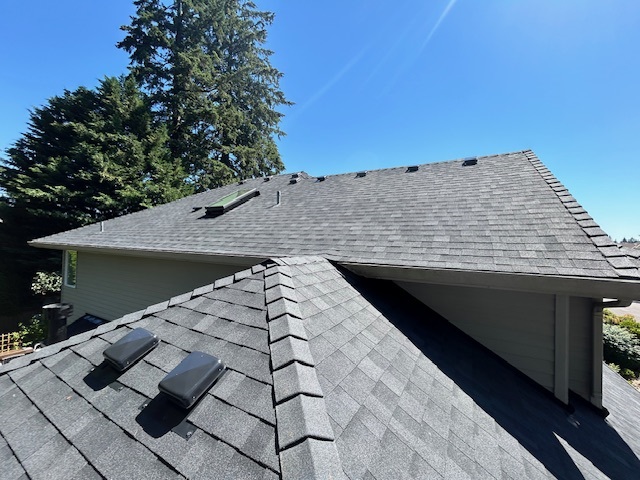
Saving Money on Your Shingle Roof Project
While a roofing cost calculator gives you a starting point, there are several ways to keep your project within budget:
- Get Multiple Quotes: Always request estimates from at least three reputable contractors. This helps you find competitive pricing and spot unusually high or low bids.
- Schedule Off-Season: Roofing companies are often less busy in late fall or early spring, which can lead to better rates.
- Consider Overlay vs. Tear-Off: In some cases, you can install new shingles over an existing layer, saving on removal and disposal. However, this isn’t always recommended—consult a pro for advice.
- DIY Minor Repairs: For small leaks or damaged shingles, consider handling repairs yourself with quality sealant and replacement materials. For guidance, see the replacing old asphalt roof resource.
- Look for Rebates: Some manufacturers and local governments offer rebates for energy-efficient or impact-resistant shingles.
Understanding Your Estimate: What’s Included?
When you use a roofing cost calculator, the estimate typically covers:
- Materials: Shingles, underlayment, flashing, nails, and sealant.
- Labor: Installation, removal of old roofing, and site cleanup.
- Disposal: Dump fees for old shingles and debris.
- Additional Features: Skylights, chimneys, and complex rooflines may add to the price.
Some calculators also provide a low-to-high price range, reflecting the variability in material quality, labor rates, and regional factors. Always review the details and ask contractors for itemized quotes to ensure you’re comparing apples to apples.
If you suspect structural issues, such as sagging or uneven surfaces, consult the roof sagging problems guide for signs to watch for and when to call a professional.
FAQ: Roofing Cost Estimation and Shingle Projects
How accurate are online roofing calculators?
Most online estimators provide a solid starting point, but they can’t account for hidden damage, unique roof features, or fluctuating local rates. Use them for budgeting, but always confirm with an in-person inspection and written contractor quotes.
What information do I need before using a calculator?
You’ll need your roof’s total area, pitch, type of shingles you want, and your location. Having details about skylights, chimneys, and other features will improve accuracy.
Can I save money by doing some of the work myself?
DIY repairs, such as replacing a few damaged shingles or applying sealant, can save on labor costs. However, full roof replacements are best left to professionals due to safety and warranty considerations.
How often should I replace my shingles?
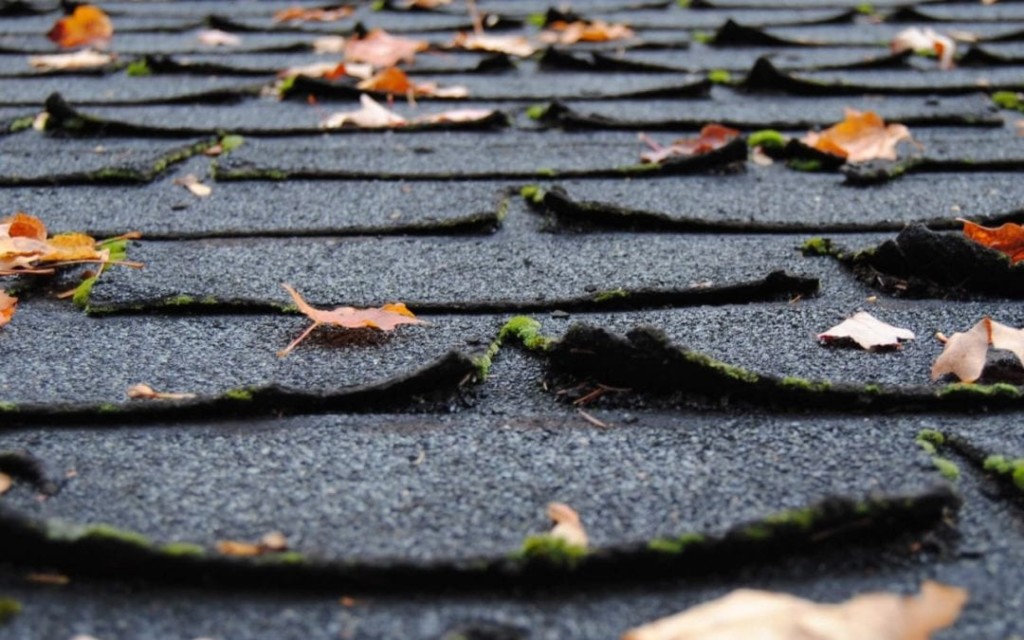
Standard asphalt shingles last 15–30 years, depending on quality and climate. Inspect your roof regularly for curling, missing, or damaged shingles to determine when replacement is needed.
Are premium shingles worth the extra cost?
Premium and architectural shingles offer longer lifespans, better weather resistance, and improved curb appeal. While they cost more upfront, they may save money on repairs and energy bills over time.