Solar roofing electricity generation is transforming how homeowners and businesses power their properties. By integrating photovoltaic (PV) technology directly into roofing materials, these systems turn sunlight into usable electricity, offering a sustainable alternative to traditional energy sources. As the demand for renewable energy grows, understanding how these systems work, their benefits, and what to consider before installation is more important than ever.
Before diving into the details, it’s helpful to understand how solar roofs differ from conventional solar panels. While both harness solar energy, solar roofing systems are designed to blend seamlessly with your home’s architecture, providing both protection and power generation. If you’re considering an upgrade, learning about roof upgrade cost can help you plan your investment wisely.
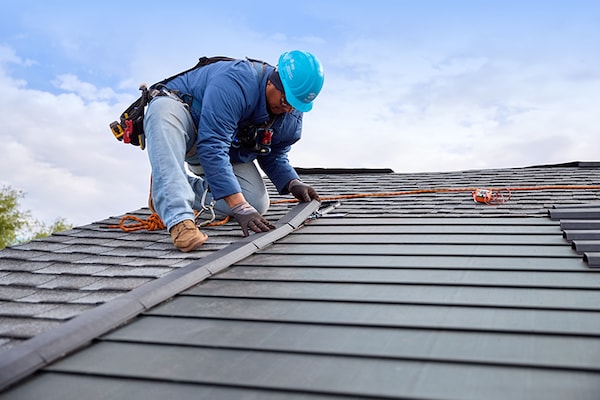
How Solar Roofing Systems Generate Power
At the core of solar roofing electricity generation are photovoltaic cells, which are embedded within roofing shingles or tiles. These cells absorb sunlight and convert it into direct current (DC) electricity. An inverter then transforms this DC electricity into alternating current (AC), which is compatible with household appliances and the electrical grid.
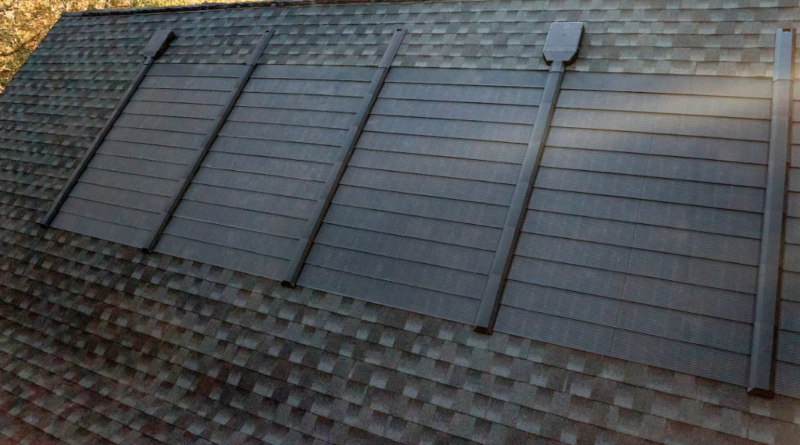
Unlike traditional solar panels mounted on racks above the roof, solar roofing materials are installed as part of the roof itself. This integrated approach provides a sleek appearance while maximizing the available surface area for energy production.
Types of Solar Roofing Technologies
There are several main types of solar roofing products available today:
- Solar Shingles: These look similar to standard asphalt shingles but contain thin-film solar cells. They are designed to replace or overlay existing shingles.
- Solar Tiles: Typically made from tempered glass, these tiles are more rigid and are often used in new construction or full roof replacements.
- Integrated Solar Panels: Some systems use low-profile panels that sit flush with roofing materials, offering a compromise between traditional panels and fully integrated shingles.
Each option has its own installation requirements, efficiency ratings, and aesthetic qualities. Homeowners should consider their roof’s structure, orientation, and local climate when choosing the right system.

Key Benefits of Solar Roofing Electricity Solutions
Adopting a solar roof offers a range of advantages:
- Lower Energy Bills: By generating your own electricity, you can significantly reduce monthly utility costs.
- Environmental Impact: Solar energy is clean and renewable, helping to reduce carbon emissions and dependence on fossil fuels.
- Increased Property Value: Homes with solar roofing systems often see higher resale values due to their energy efficiency and modern appeal.
- Seamless Design: Integrated solar shingles and tiles blend in with traditional roofing materials, preserving curb appeal.
- Durability: Many solar roofing products are built to withstand harsh weather, including hail and high winds.
Additionally, some regions offer incentives, rebates, or net metering programs, allowing homeowners to sell excess electricity back to the grid.
Installation Considerations and Roof Compatibility
Before installing a solar roofing system, it’s essential to assess your roof’s condition and structure. Older roofs or those with significant wear may require repairs or replacement before solar materials can be added. For those planning a major renovation, consulting resources like the asphalt roof replacement guide can provide valuable insights.
Key factors to consider include:
- Roof Orientation and Pitch: South-facing roofs with a moderate slope typically receive the most sunlight, maximizing energy output.
- Shading: Trees, chimneys, or nearby buildings that cast shadows can reduce system efficiency.
- Local Climate: While solar roofs work in various climates, areas with frequent snow or heavy rainfall may require additional maintenance.
- Structural Support: The roof must be able to support the weight of the solar materials, especially for tile-based systems.
A professional installer will evaluate these factors and recommend the best solution for your property.
Maintenance and Longevity of Solar Roofs
Solar roofing systems are designed for durability and minimal upkeep. Most products come with warranties ranging from 20 to 30 years. Routine maintenance typically involves keeping the surface clear of debris, leaves, and snow to ensure optimal sunlight exposure. Using a specialized roof cleaning brush can help maintain efficiency without damaging the materials.
It’s also important to monitor system performance. Many modern inverters and monitoring systems allow homeowners to track electricity production in real time, making it easy to spot any issues early.
If you’re replacing an older roof, understanding the process for replacing old asphalt roof can help ensure a smooth transition to a solar-ready surface.
Comparing Solar Roofing to Traditional Solar Panels
While both options use photovoltaic technology, there are some key differences:
- Appearance: Solar roofing materials are designed to look like standard shingles or tiles, while traditional panels are mounted above the roof surface.
- Installation: Integrated systems may require a full roof replacement, whereas panels can often be added to existing roofs.
- Cost: Solar roofing typically has a higher upfront cost but may offer greater long-term value through aesthetics and property value.
- Efficiency: Traditional panels often have higher efficiency ratings, but advances in solar shingle technology are closing the gap.
Homeowners should weigh these factors alongside their budget and design preferences.
Maximizing Efficiency and Savings
To get the most from your solar roof, consider these tips:
- Choose high-quality materials with proven performance records.
- Work with certified installers who understand local building codes and best practices.
- Take advantage of available incentives, rebates, and net metering programs in your area.
- Keep the roof clean and free of obstructions for maximum sunlight exposure.
- Consider pairing your system with energy storage solutions, such as home batteries, to use solar power even when the sun isn’t shining.
For additional energy-saving strategies, explore resources like the U.S. Department of Energy’s guide to cool roofs.
Common Mistakes and How to Avoid Them
When planning a solar roofing project, avoiding common pitfalls can save time and money. Some frequent mistakes include:
- Failing to assess roof condition before installation.
- Choosing the wrong technology for your climate or roof type.
- Overlooking local permitting and utility requirements.
- Neglecting regular maintenance, which can reduce efficiency over time.
For more tips on successful projects, review advice on roofing mistakes to avoid before starting your installation.
Frequently Asked Questions
- How long does a solar roofing system last?
- Most solar roofing products are designed to last 25–30 years or more, with warranties to match. Regular maintenance and prompt repairs can help maximize their lifespan.
- Can I install solar roofing on an older home?
- Yes, but it’s important to ensure the roof is in good condition and structurally sound. In some cases, a roof replacement or reinforcement may be needed before installation.
- What happens if my solar roof produces more electricity than I use?
- Many utility companies offer net metering, allowing you to send excess electricity back to the grid in exchange for credits on your bill. Check with your local provider for specific policies.
Solar roofing electricity generation offers a practical, sustainable way to power your home while enhancing its value and appearance. By understanding the technology, installation process, and maintenance needs, you can make an informed decision that benefits both your wallet and the environment.