Choosing the right roofing solution is crucial for both energy efficiency and long-term durability. Reflective roofing materials have become increasingly popular as homeowners and building managers look for ways to reduce heat absorption, lower cooling costs, and extend the lifespan of their roofs. Among the many options available, high-albedo asphalt shingles stand out for their balance of affordability, performance, and ease of installation.
This article explores the benefits and considerations of using reflective asphalt shingles, how they compare to traditional roofing, and what to look for when selecting these products. If you’re planning a roof upgrade or replacement, understanding the latest in cool roofing technology can help you make a more informed decision. For a comprehensive breakdown of project costs, check out this detailed roof upgrade cost guide.
Understanding High-Albedo Shingles
High-albedo shingles are engineered to reflect a larger percentage of solar radiation than standard asphalt products. The term “albedo” refers to the measure of a surface’s reflectivity. In roofing, a higher albedo means less heat is absorbed, keeping attic spaces and interiors cooler during hot weather. This characteristic is especially valuable in regions with intense sunlight or prolonged summers.
Reflective asphalt shingles are manufactured with special granules that enhance their ability to bounce sunlight away from the roof. These granules are often lighter in color, but modern technology allows for a variety of shades that still maintain high reflectivity. By reducing heat gain, these shingles contribute to lower air conditioning demands and can help mitigate the urban heat island effect in densely built areas.
Benefits of Reflective Roofing Materials
Opting for reflective roofing materials offers several practical advantages:
- Energy Savings: By reflecting more sunlight, these shingles reduce the amount of heat transferred into the building, leading to lower cooling costs.
- Increased Comfort: Interior spaces remain cooler and more comfortable, even during peak summer months.
- Extended Roof Life: Lower surface temperatures help minimize thermal cycling, which can cause roofing materials to deteriorate over time.
- Environmental Impact: Reduced energy consumption means fewer greenhouse gas emissions, supporting sustainability goals.
- Potential Rebates: Some municipalities and utility companies offer incentives for installing cool roofing products.
For homeowners considering a full replacement, the asphalt roof replacement guide provides step-by-step planning advice for new installations.
Comparing Reflective Asphalt Shingles to Traditional Options
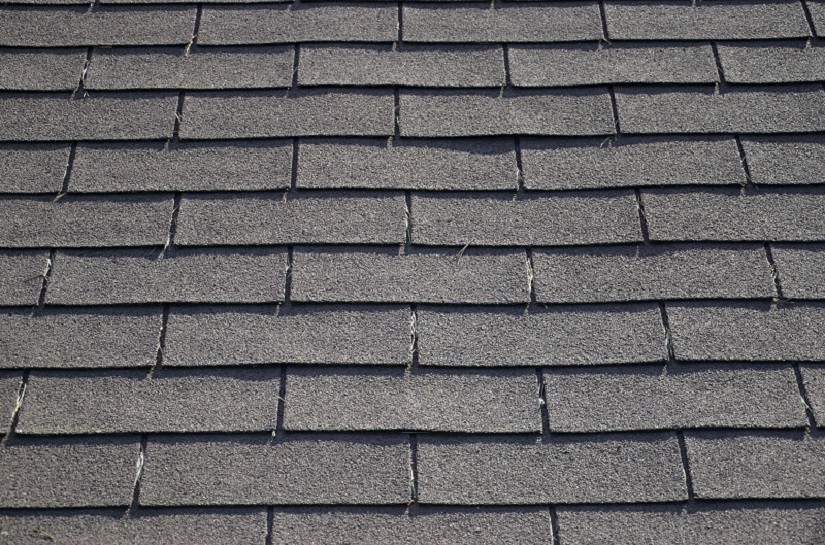
Traditional asphalt shingles are valued for their cost-effectiveness and straightforward installation, but they tend to absorb a significant amount of solar heat. In contrast, reflective versions are specifically designed to minimize heat absorption while maintaining the durability and appearance of standard products.
Key differences include:
- Solar Reflectance: Reflective shingles can reflect up to 30% or more of solar energy, compared to 5–15% for conventional dark shingles.
- Thermal Emittance: Many cool shingles are engineered to release absorbed heat more efficiently, further reducing roof temperatures.
- Color Selection: While lighter colors are naturally more reflective, advanced coatings now allow for medium and even darker tones to achieve high reflectivity ratings.
- Cost: Reflective asphalt shingles may come at a slight premium, but the long-term savings on energy bills often offset the initial investment.
For those considering an upgrade from older materials, see the guide on upgrading roof shingles for insights into moving from basic 3-tab to architectural or cool-rated products.
How to Identify Quality Cool Roofing Products
Not all products labeled as “cool” or “reflective” offer the same level of performance. When evaluating options, look for the following:
- ENERGY STAR Certification: Products with this label have been independently tested for solar reflectance and thermal emittance.
- Solar Reflectance Index (SRI): A higher SRI indicates better performance in reflecting and releasing heat. Many cool asphalt shingles have SRI values above 30.
- Manufacturer Warranties: Choose brands that back their reflective shingles with robust warranties, especially for color retention and granule adhesion.
- Compliance with Local Codes: Some regions require minimum reflectance values for new roofs, especially in warm climates.
For more information on the composition and manufacturing process of asphalt shingles, refer to this in-depth asphalt shingle overview.
Installation and Maintenance Considerations
Installing high-albedo asphalt shingles is similar to standard shingle installation, but there are a few best practices to keep in mind:
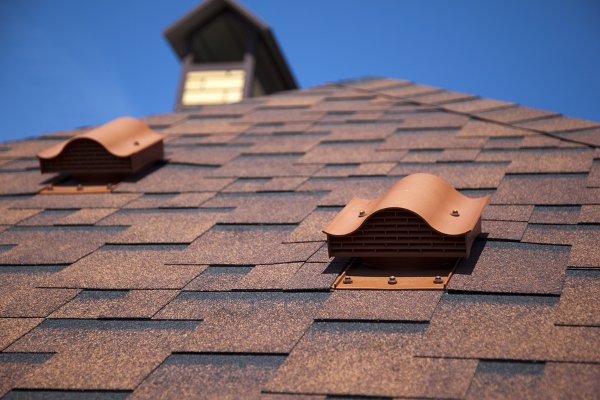
- Proper Ventilation: Ensure attic spaces are well-ventilated to maximize the cooling benefits of reflective roofing.
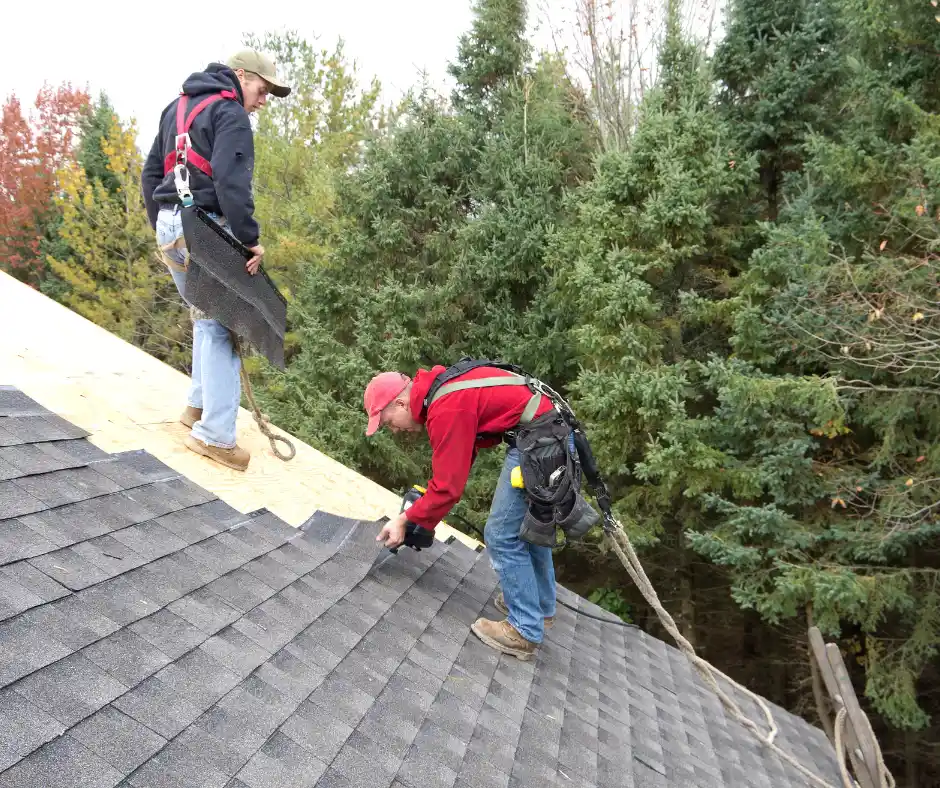
- Professional Installation: Work with certified contractors familiar with cool roofing products to ensure correct placement and sealing.
- Routine Inspections: Regularly check for granule loss, algae growth, or damage, especially after severe weather events.
- Sealant Use: Applying a compatible sealant can help prevent leaks and extend the life of your reflective shingles.
If you’re unsure about the timing for a new roof, the article on when to replace shingles can help you assess whether it’s time for an upgrade.
Environmental and Regulatory Impact
Beyond personal energy savings, cool roofing materials contribute to broader environmental benefits. By lowering the temperature of individual buildings and surrounding areas, these products help reduce the urban heat island effect—a phenomenon where cities become significantly warmer than nearby rural areas due to heat-absorbing surfaces.
Many local governments have adopted building codes or incentive programs to encourage the use of reflective roofing, especially in hot climates. Before starting a project, check with your local building department to ensure compliance with any reflectivity requirements or to take advantage of available rebates.
Frequently Asked Questions
Are reflective asphalt shingles more expensive than regular shingles?
Reflective asphalt shingles may cost slightly more upfront than traditional dark shingles due to the specialized granules and manufacturing process. However, the energy savings and potential rebates can help offset the initial investment over time.
How long do high-albedo shingles last?
With proper installation and maintenance, high-albedo asphalt shingles typically last as long as standard architectural shingles—often 20 to 30 years or more. Their ability to reduce thermal stress may even help extend their service life in hot climates.
Can I install reflective shingles on an existing roof?
Reflective shingles are best installed as part of a full roof replacement. However, if your current roof is nearing the end of its lifespan, upgrading to cool roofing materials during replacement is a smart choice. For a step-by-step overview, see the guide on replacing old asphalt roof.
Conclusion
High-albedo asphalt shingles represent a practical and effective way to improve your home’s energy efficiency, comfort, and environmental footprint. By understanding the features and benefits of reflective roofing materials, you can make an informed decision that pays off for years to come. Whether you’re planning a full replacement or simply exploring options, consider the advantages of cool roofing to keep your property cooler, greener, and more cost-effective.