Taking on a shingle roofing project can be a rewarding way to improve your home’s protection and appearance. However, even experienced DIYers and some professionals can fall into common traps that lead to leaks, premature wear, or costly repairs. Understanding the most frequent roofing mistakes to avoid is essential for ensuring your new roof stands the test of time and weather.
This guide highlights the most critical errors people make when installing or repairing shingle roofs. By learning from these pitfalls, you can save money, prevent damage, and enjoy a more durable, weather-resistant roof. If you’re interested in advanced protection, you might also want to explore waterproof asphalt shingles for wet climates.
Common Installation Errors That Compromise Roof Performance
Many shingle roof problems begin with improper installation. Even small oversights can have significant consequences for your home’s protection and energy efficiency. Here are some of the most frequent roofing mistakes to avoid during installation:
- Incorrect Nail Placement: Nails that are too high, too low, or driven at the wrong angle can cause shingles to loosen or blow off in strong winds. Always follow the manufacturer’s nailing pattern and depth recommendations.
- Insufficient Overlap: Shingles must overlap correctly to shed water. Failing to stagger seams or leaving gaps can lead to leaks and water intrusion.
- Skipping Underlayment: The underlayment acts as a secondary barrier against moisture. Omitting it, or using the wrong type, increases the risk of leaks and mold growth.
- Poor Starter Strip Placement: The starter strip is critical for sealing the roof edge and preventing wind uplift. Installing it incorrectly can leave edges vulnerable to water and wind damage.
For those living in regions with harsh winters, using snow resistant roof shingles can further protect your home from ice dams and freeze-thaw cycles.
Choosing the Wrong Materials for Your Climate
Not all shingles are created equal. Selecting the wrong type for your local weather can shorten your roof’s lifespan and lead to frequent repairs. Consider these factors when choosing materials:
- Ignoring Local Weather Patterns: In areas prone to heavy rain, snow, or high winds, opt for shingles rated for those conditions. For guidance, the different types of roofing shingles offer various levels of durability and weather resistance.
- Overlooking Ventilation Needs: Proper attic ventilation prevents heat and moisture buildup, which can damage shingles from below. Ensure your attic has enough intake and exhaust vents for your roof size.
- Using Low-Quality Sealants: Cheap or incompatible sealants may fail prematurely, leading to leaks. Invest in products specifically designed for roofing applications.
For extreme climates, it’s wise to consult an extreme weather roofing guide to select the toughest, most suitable shingles for your project.
Neglecting Proper Surface Preparation
Before installing new shingles, the roof deck must be clean, dry, and structurally sound. Overlooking this step is a major roofing mistake to avoid that can undermine your entire project:
- Failing to Remove Old Shingles: Layering new shingles over damaged or curled ones can trap moisture and cause uneven surfaces. Always strip the roof down to the deck when possible.
- Not Repairing Deck Damage: Soft spots, rot, or sagging areas should be replaced or reinforced before laying new materials. Ignoring these issues can lead to leaks and structural problems.
- Skipping Flashing Replacement: Old or corroded flashing around chimneys, vents, and valleys should be replaced to ensure a watertight seal.
For those dealing with cracked or brittle shingles, see our guide on cracked asphalt shingles for repair tips and prevention strategies.
Overlooking Key Weatherproofing Steps
Weatherproofing is more than just laying down shingles. Missing these steps can lead to costly water damage:
- Improper Ice and Water Shield Installation: In colder climates, failing to install an ice and water shield at eaves and valleys can result in leaks from ice dams and wind-driven rain.
- Not Sealing Roof Penetrations: Every vent, pipe, or skylight is a potential leak point. Use compatible sealants and properly fitted flashing to prevent water intrusion.
- Ignoring Ridge Cap Shingles: The ridge is a vulnerable area. Use dedicated ridge cap shingles or follow manufacturer instructions for cutting and installing them.
For homes in freezing regions, check out our recommendations for cold weather roofing shingles to ensure optimal performance year-round.
Misjudging Safety and Project Planning
Roofing is physically demanding and potentially dangerous. Rushing or skipping safety steps is a critical roofing mistake to avoid for both DIYers and professionals:
- Working in Poor Weather: Wet or windy conditions increase the risk of slips and falls. Always check the forecast and schedule work for dry, calm days.
- Skipping Safety Gear: Use proper footwear, harnesses, and fall protection equipment. Never work alone on steep or high roofs.
- Underestimating Time and Labor: Roofing projects often take longer than expected. Plan for breaks, have extra hands available, and don’t rush the process.
Maintenance Mistakes That Lead to Early Roof Failure
Even after a successful installation, neglecting routine maintenance can shorten your roof’s lifespan. Here are some common pitfalls to watch for:
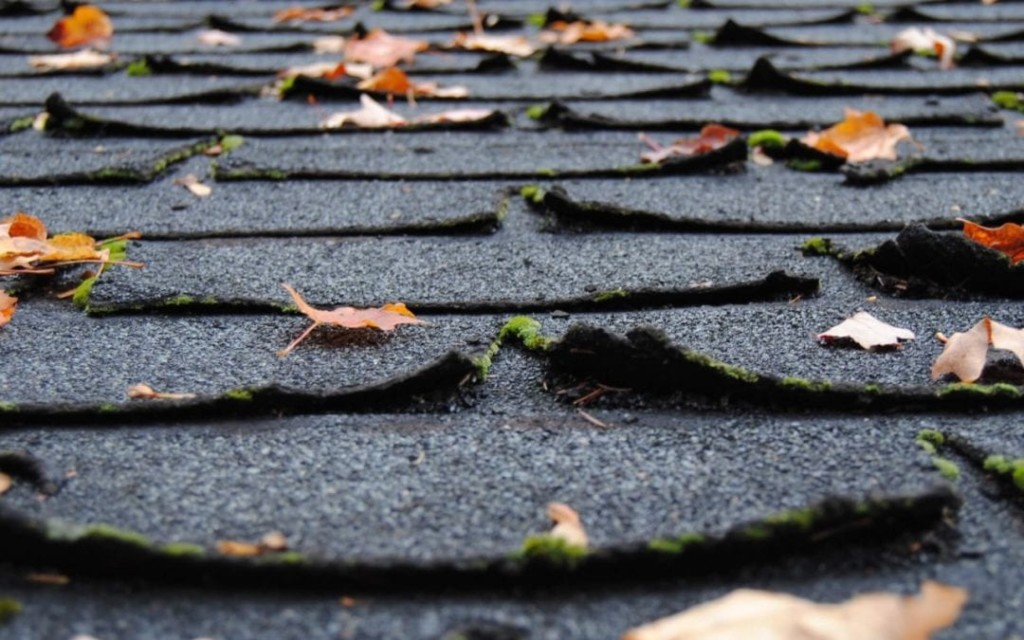
- Ignoring Debris and Moss: Leaves, branches, and moss can trap moisture and cause shingles to deteriorate. Clean your roof and gutters regularly.
- Delaying Repairs: Small issues like missing shingles or minor leaks can quickly escalate. Address problems promptly to prevent more extensive damage.
- Using Harsh Cleaning Methods: Pressure washing or abrasive tools can damage shingle surfaces. Use gentle cleaning techniques and appropriate products.
For homes in wet or humid areas, consider upgrading to waterproof asphalt shingles for added peace of mind.
Frequently Asked Questions
What are the most common causes of shingle roof leaks?
The most frequent sources of leaks include improper nail placement, missing or damaged flashing, insufficient shingle overlap, and failing to seal roof penetrations. Regular inspections and prompt repairs can help prevent these issues.
How can I tell if my shingles were installed incorrectly?
Signs of poor installation include uneven rows, exposed nail heads, curling or lifting shingles, and visible gaps between shingles. If you notice any of these, it’s best to consult a roofing professional for an assessment.
Is it okay to install new shingles over old ones?
While it’s sometimes permitted by code, layering new shingles over old ones is generally discouraged. It can hide underlying damage, create an uneven surface, and reduce the new roof’s lifespan. Removing old materials ensures a more durable and reliable installation.
Conclusion
By understanding and avoiding these roofing mistakes to avoid, you can ensure your next shingle project delivers long-lasting protection and value. Careful planning, proper material selection, and attention to detail at every step are key to a successful outcome. For more tips on choosing the right products and techniques for your climate, explore our related guides and always follow manufacturer recommendations for best results.