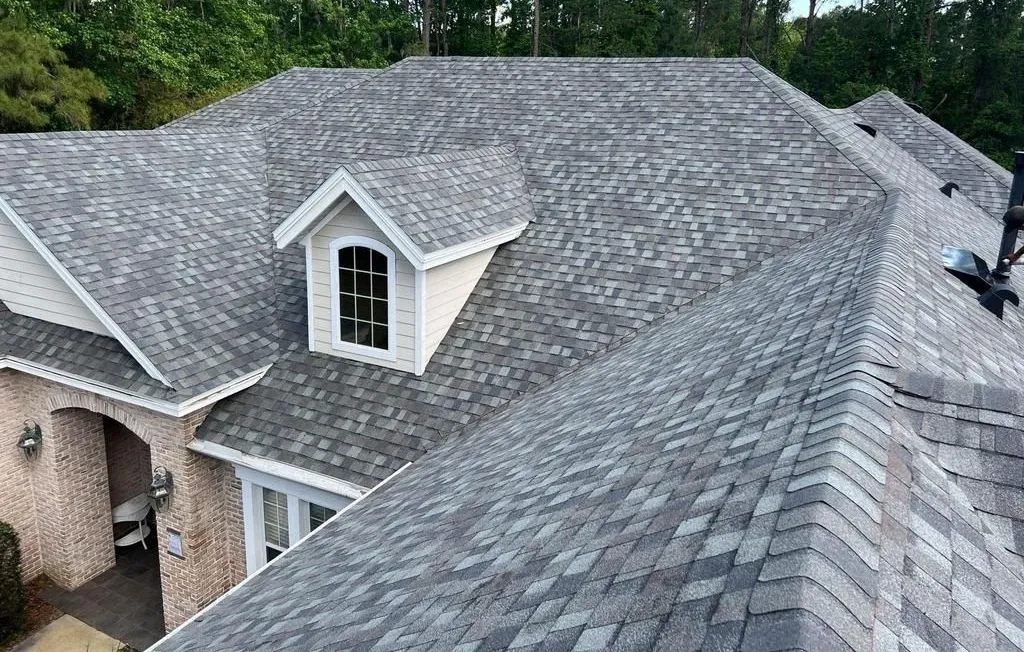
Energy efficiency is a growing concern for homeowners, especially as utility costs continue to rise and climate patterns become more unpredictable. One of the most effective ways to reduce your home’s energy consumption is by upgrading your roofing materials. Cool roof shingles are engineered to reflect more sunlight and absorb less heat compared to traditional options, helping to keep your home cooler and your energy bills lower.
These innovative shingles use advanced reflective technology to minimize heat transfer into your living spaces. As a result, your air conditioning system doesn’t have to work as hard, which can lead to significant savings over time. If you’re considering a roof replacement or looking for ways to make your home more sustainable, understanding the benefits and features of these energy-smart shingles is a smart place to start.
Before diving into the details of reflective roofing, it’s helpful to understand how these products compare with other shingle types and when it might be time to consider a replacement. For a closer look at costs and timing, check out our roof upgrade cost guide, which breaks down investment considerations for various shingle options.
How Reflective Shingles Work
The key to the performance of cool roof shingles lies in their ability to reflect solar energy. Traditional dark-colored roofs can absorb a significant amount of heat, raising attic temperatures and increasing cooling demands. In contrast, reflective shingles are manufactured with special granules or coatings that bounce a larger percentage of sunlight away from the roof surface.
This technology is not limited to one material. Asphalt, metal, and even some tile shingles can be engineered for higher reflectivity. The result is a roof that stays cooler on hot days, reducing the heat that radiates into your home. This can make a noticeable difference in comfort, especially in regions with long, sunny summers.
Benefits of Installing Energy-Efficient Roofing
Choosing energy-efficient shingles offers more than just lower utility bills. Here are some of the main advantages:
- Reduced Cooling Costs: By reflecting more sunlight, these shingles help maintain a cooler indoor environment, easing the load on your air conditioning system.
- Extended Roof Lifespan: Lower surface temperatures can slow down the aging process of roofing materials, potentially extending the life of your roof.
- Environmental Impact: Less energy use means fewer greenhouse gas emissions, making your home more environmentally friendly.
- Improved Comfort: Homes with reflective roofs often experience more stable indoor temperatures, especially in upper floors and attics.
- Potential Rebates: Some regions offer incentives for installing energy-saving roofing products, which can help offset initial costs.
Types of Cool Roof Shingles
There are several types of shingles designed to improve solar reflectance. The most common include:
- Reflective Asphalt Shingles: These are similar in appearance to standard asphalt shingles but use specially coated granules to increase reflectivity. They are widely available and often meet ENERGY STAR® standards.
- Metal Roofing Shingles: Metal panels or shingles can be finished with reflective coatings, offering both durability and high solar reflectance.
- Tile and Slate Options: Some manufacturers produce light-colored or specially coated tiles and slates that qualify as cool roofing materials.
For a more detailed explanation of asphalt shingle construction and performance, see this comprehensive guide to asphalt shingle roofing.
Choosing the Right Reflective Shingles for Your Home
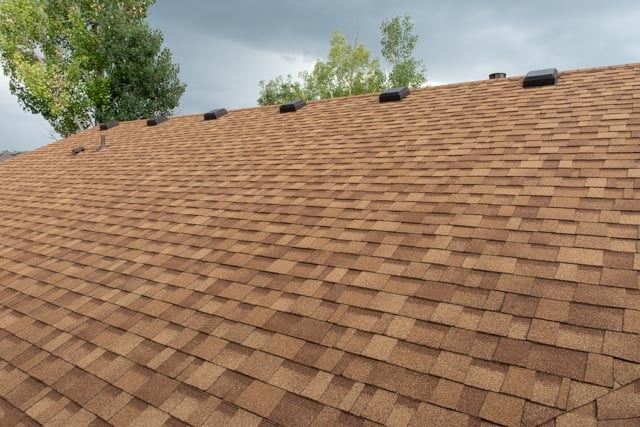
When selecting cool roof shingles, consider your climate, home style, and budget. Light-colored shingles generally offer the highest reflectivity, but modern technology has made it possible to find darker hues that still deliver energy savings. Be sure to look for products certified by recognized programs such as ENERGY STAR® or the Cool Roof Rating Council (CRRC).
It’s also important to factor in installation quality. Even the most advanced shingles will underperform if not installed correctly. If you’re planning a full replacement, review our asphalt roof replacement guide for tips on planning your project and ensuring a successful outcome.
Installation and Maintenance Tips
Proper installation is crucial for maximizing the benefits of reflective shingles. Here are some best practices:
- Hire a qualified roofing contractor with experience in energy-efficient materials.
- Ensure adequate attic ventilation to further reduce heat buildup.
- Inspect your roof regularly for damage or debris that could affect performance.
- Use compatible sealants and underlayments to maintain weather resistance.
Routine maintenance, such as cleaning off leaves and checking for algae growth, can help your roof maintain its reflective properties over time. If you notice signs of wear or leaks, address them promptly to avoid compromising your home’s energy efficiency.
Comparing Costs and Long-Term Savings
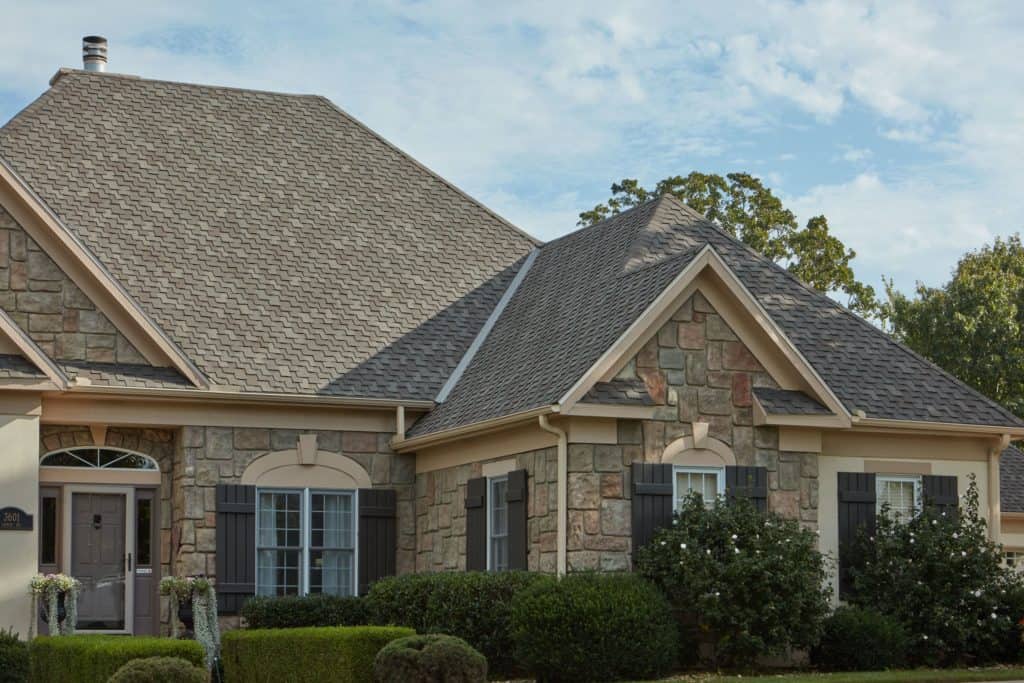
While the upfront price of cool roof shingles may be slightly higher than standard options, the long-term savings often outweigh the initial investment. Lower energy bills, reduced HVAC wear and tear, and potential rebates can make these shingles a cost-effective choice over the lifespan of your roof.
For those considering a switch from older 3-tab shingles or planning a full tear-off, our resources on upgrading roof shingles and replacing old asphalt roof provide helpful guidance on making the transition to more advanced materials.
Frequently Asked Questions
Do reflective shingles work in cold climates?
Yes, while their primary benefit is reducing heat gain in warm weather, these shingles can also help prevent ice damming by keeping roof surfaces cooler and more consistent in temperature. However, the energy savings are most noticeable in hot or sunny regions.
How long do energy-efficient shingles last?
Most high-quality reflective shingles have a lifespan similar to standard asphalt or metal shingles, typically ranging from 20 to 50 years depending on the material and installation quality. Regular maintenance can help maximize their durability and performance.
Are there color options for cool roofing?
Absolutely. While lighter colors tend to be more reflective, manufacturers now offer a range of hues—including grays, browns, and even some darker shades—that meet cool roofing standards. Always check product ratings to ensure you’re getting the desired energy performance.
Conclusion
Upgrading to cool roof shingles is a practical step toward a more energy-efficient and comfortable home. With advances in reflective technology, homeowners can enjoy lower utility costs, improved comfort, and a reduced environmental footprint. Whether you’re planning a new installation or looking to replace aging materials, reflective shingles offer a smart, long-term investment for modern living.