Solar roofing is transforming the way homeowners generate and use electricity. By integrating photovoltaic technology directly into roofing materials, these systems offer a seamless way to harness the sun’s power. But one of the most common questions from those considering this upgrade is: how much energy does solar roofing produce in real-world conditions? Understanding the output potential is crucial for planning, budgeting, and maximizing the benefits of a solar roof.
Several factors influence the energy production of solar roofing, including roof size, geographic location, system efficiency, and local weather patterns. Homeowners weighing the investment often compare the output of solar shingles or tiles with traditional solar panels, as well as with their household’s energy needs. For those planning a major upgrade, it’s also helpful to consider the roof upgrade cost and how energy savings can offset initial expenses.
Understanding Solar Roofing Output
Solar roofing systems, such as solar shingles or tiles, generate electricity by converting sunlight into usable power. The total output depends on several variables:
- Roof Area: The larger the surface covered by solar roofing, the more energy can be produced.
- Sunlight Exposure: South-facing roofs in sunny regions yield higher output than shaded or north-facing ones.
- System Efficiency: Modern solar shingles typically have efficiencies between 14% and 20%, slightly lower than top-tier solar panels.
- Local Climate: Cloud cover, seasonal changes, and temperature all impact daily and annual energy generation.
On average, a typical residential solar roof can generate between 9 and 15 kilowatt-hours (kWh) per day for every 1,000 square feet of roof space under optimal conditions. This can cover a significant portion—or even all—of a household’s electricity needs, depending on usage and system size.
Factors Affecting How Much Energy Solar Roofs Generate
While the average figures provide a starting point, actual performance varies. Key factors influencing solar roof output include:
- Geographic Location: Homes in areas with more annual sunlight (such as the Southwest US) will see higher production than those in cloudier climates.
- Roof Pitch and Orientation: Steeper roofs angled toward the sun capture more energy. East- and west-facing roofs produce less than south-facing ones in the northern hemisphere.
- Shading: Trees, chimneys, or nearby buildings can reduce exposure and lower output.
- System Age and Maintenance: Over time, all solar products experience some degradation. Regular cleaning and maintenance help sustain optimal performance.
For those planning a full roof replacement, it’s wise to review resources like the asphalt roof replacement guide to understand how integrating solar with new roofing materials can affect both energy output and longevity.
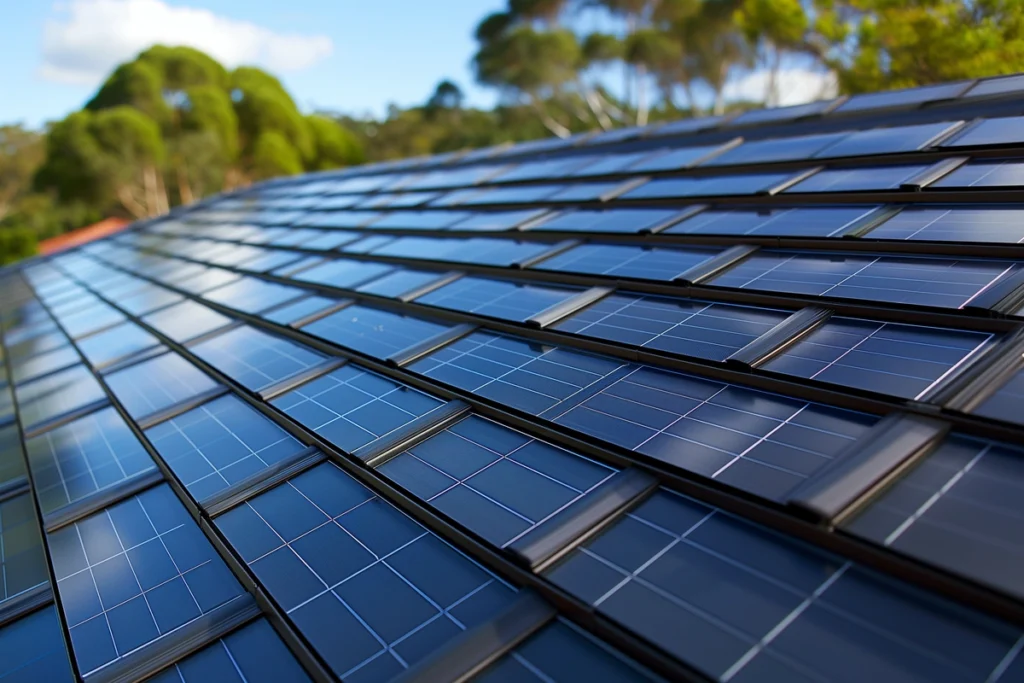
Comparing Solar Shingles and Traditional Panels
Both solar shingles and conventional solar panels convert sunlight into electricity, but there are important differences in their design and output:
- Solar Shingles: These are integrated into the roof, offering a sleek look and serving as both roofing and energy generation. Their output per square foot is generally lower than standard panels, but they are ideal for new builds or full roof replacements.
- Traditional Solar Panels: Typically mounted above existing roofing, these panels are more efficient and can be angled for optimal sun exposure. However, they may not be as visually appealing for some homeowners.
For a typical 2,000-square-foot home, a full solar shingle installation can produce between 8,000 and 12,000 kWh annually, depending on location and system design. This is often enough to offset most or all of a household’s annual electricity consumption, especially if energy-efficient appliances and lighting are used.
When considering a switch, it’s important to weigh the energy output against other factors like aesthetics, cost, and roof condition. If your roof is nearing the end of its lifespan, you might also want to explore the process of replacing old asphalt roof before installing solar products.
Calculating Your Home’s Solar Roofing Potential
To estimate how much power your roof could generate, consider the following steps:
- Measure the available roof area suitable for solar installation (excluding shaded or obstructed sections).
- Check the average solar irradiance (sunlight hours) for your location—many online calculators and local installers can provide this data.
- Multiply the usable area by the efficiency rating of the solar shingles or tiles you’re considering.
- Factor in system losses (typically 10-20%) due to wiring, inverter efficiency, and environmental conditions.
For example, a 1,000-square-foot roof in a sunny region with 16% efficient solar shingles and 5 peak sun hours per day could generate approximately 8 kWh per day, or about 2,900 kWh per year. This is a rough estimate; actual results may vary based on installation quality and ongoing maintenance.
Regular cleaning is essential to maximize output. Using a dedicated roof cleaning brush can help remove debris and maintain efficiency without damaging the shingles.
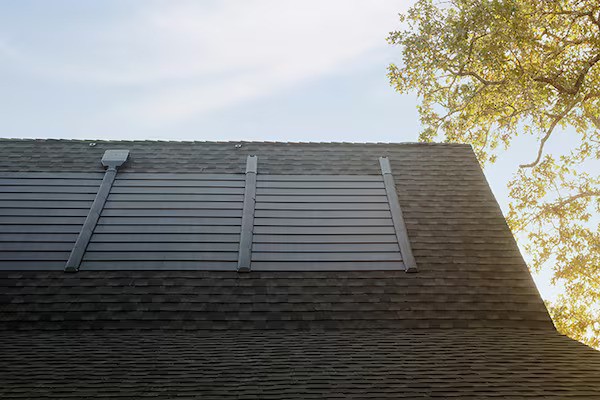
Maximizing the Benefits of Solar Roofing
To get the most from your solar roof, consider these tips:
- Choose High-Efficiency Products: While solar shingles are less efficient than panels, newer models are closing the gap. Research the latest options for the best performance.
- Optimize Roof Design: If building new or replacing your roof, work with your contractor to maximize sun exposure and minimize shading.
- Maintain Regularly: Keep the surface clean and inspect for damage after storms or seasonal changes.
- Monitor Output: Many systems include monitoring apps or dashboards to track daily and monthly production. This helps identify issues early and ensures you’re getting the expected output.
For a deeper understanding of the advantages and potential drawbacks of solar roof tiles, you can read this comprehensive overview of solar roof tile benefits.
In addition, avoiding common roofing mistakes during installation or upgrades can help ensure your investment delivers maximum returns over time.
Frequently Asked Questions
How does solar roofing output compare to traditional panels?
Solar shingles and tiles generally produce less energy per square foot than conventional solar panels. However, they offer a more integrated appearance and can be ideal for new roofs or full replacements. For homes with limited roof space or high energy needs, traditional panels may be more efficient, but solar roofing is often sufficient for average households.
Can solar roofing cover all my household electricity needs?
In many cases, yes. A well-designed solar roof can offset most or all of a typical home’s annual electricity use, especially in sunny regions and when paired with energy-efficient appliances. Actual results depend on roof size, local sunlight, and household consumption.
How long do solar shingles last, and how does this affect energy production?
Most solar shingles are designed to last 25-30 years, similar to traditional roofing materials. Over time, their efficiency may decrease slightly (about 0.5%-1% per year), but regular maintenance and prompt repairs can help sustain strong output throughout their lifespan.
What maintenance is required to keep solar roofing performing well?
Routine cleaning to remove dirt, leaves, and debris is important. It’s also wise to inspect for damage after storms and to monitor system output regularly. Using the right cleaning tools, such as a soft brush, helps avoid scratching or damaging the surface.
Conclusion
Solar roofing offers a practical and attractive way to generate clean electricity at home. The amount of energy produced depends on roof size, location, product efficiency, and installation quality. By understanding these factors and planning carefully, homeowners can maximize their energy savings and enjoy a reliable, long-term source of renewable power. Whether you’re upgrading an old roof or building new, solar roofing is a smart investment for both your wallet and the environment.