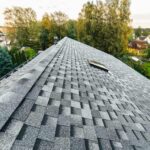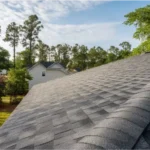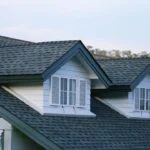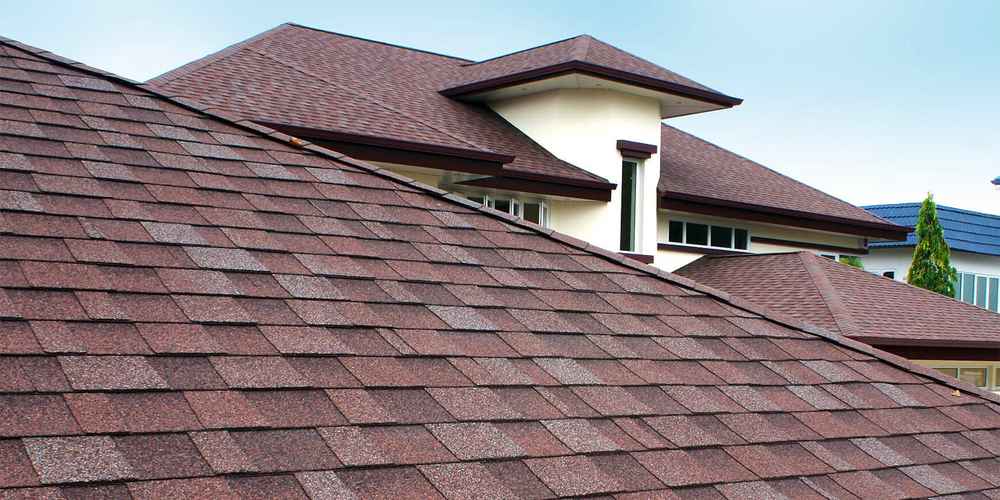
Choosing the right roofing material is a crucial decision for any homeowner. Among the various options available, asphalt shingles remain one of the most popular choices due to their affordability, durability, and ease of installation. This complete roofing guide asphalt shingles aims to provide homeowners with all the essential information needed to make an informed decision, from understanding the types of shingles to maintenance tips and cost considerations.
Before diving into the details, it’s helpful to compare different roofing materials to see how asphalt shingles stack up. For a deeper look at material costs, visit the roofing cost comparison article for insights on budgeting for your next project.
Understanding Asphalt Shingles: Composition and Benefits
Asphalt shingles are composed of a fiberglass or organic mat coated with asphalt and topped with mineral granules. This combination provides a weather-resistant, flexible, and visually appealing roofing solution. The complete roofing guide asphalt shingles approach highlights several key benefits:
- Affordability: Asphalt shingles are cost-effective compared to other materials like metal or tile.
- Variety: Available in numerous colors, styles, and textures to match any architectural design.
- Ease of Installation: Their lightweight nature makes them easier and faster to install.
- Durability: With proper maintenance, they can last 20–30 years or more.
- Fire and Wind Resistance: Many products meet stringent safety standards.
For a technical overview of how these shingles are manufactured and their performance characteristics, check out this detailed explanation of asphalt shingle roofing.
Types of Asphalt Shingles: Which Is Right for Your Home?
There are three main categories of asphalt shingles, each with unique features and price points. Understanding these differences can help you select the best option for your home:
- 3-Tab Shingles: These are the most basic and affordable option. They have a flat, uniform appearance and are lightweight, making them suitable for budget-conscious homeowners.
- Architectural (Dimensional) Shingles: Thicker and more durable than 3-tab, these shingles offer a layered, dimensional look that mimics wood shakes or slate. They provide better wind resistance and a longer lifespan.
- Luxury Shingles: Designed to replicate high-end roofing materials, luxury shingles are heavier and more robust. They offer superior durability and aesthetic appeal but come at a higher price.
If you’re weighing the pros and cons of different shingle types, the architectural vs 3 tab shingles guide breaks down the key differences to help you decide.
Installation Process: What Homeowners Should Expect
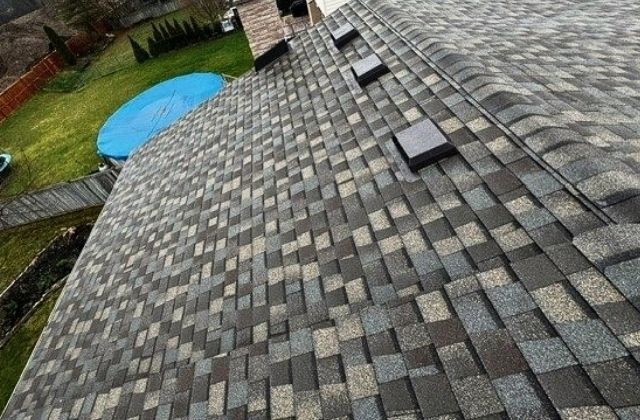
Proper installation is essential for maximizing the lifespan and performance of your asphalt shingle roof. Here’s a step-by-step overview of what to expect:
- Inspection and Preparation: The old roofing material is removed, and the decking is inspected for damage.
- Underlayment Installation: A waterproof underlayment is applied to protect against leaks.
- Starter Shingles: These are placed along the eaves to provide a secure foundation.
- Main Shingle Installation: Shingles are laid in overlapping rows, starting from the bottom edge and working upward.
- Flashing and Ventilation: Metal flashing is installed around chimneys, vents, and valleys to prevent water intrusion. Adequate ventilation is also ensured to extend roof life.
- Final Inspection: The finished roof is checked for proper alignment, secure fastening, and debris removal.
While many homeowners hire professionals, some choose to tackle smaller repairs themselves. If you’re considering a DIY approach, always follow manufacturer guidelines and local building codes.
Comparing Asphalt Shingles to Other Roofing Materials
When evaluating roofing options, it’s important to consider how asphalt shingles compare to alternatives like metal, wood, or composite materials. Here are some key points:
- Cost: Asphalt shingles are generally less expensive to purchase and install than most other materials.
- Weight: Their lightweight nature puts less stress on your home’s structure.
- Maintenance: They require less upkeep than wood shakes and are easier to repair than metal panels.
- Durability: While not as long-lasting as tile or metal, modern asphalt shingles offer solid performance for most climates.
For a side-by-side look at durability, the roofing material durability comparison article provides a helpful breakdown of what lasts longest under different conditions.
Maintenance Tips for Asphalt Shingle Roofs
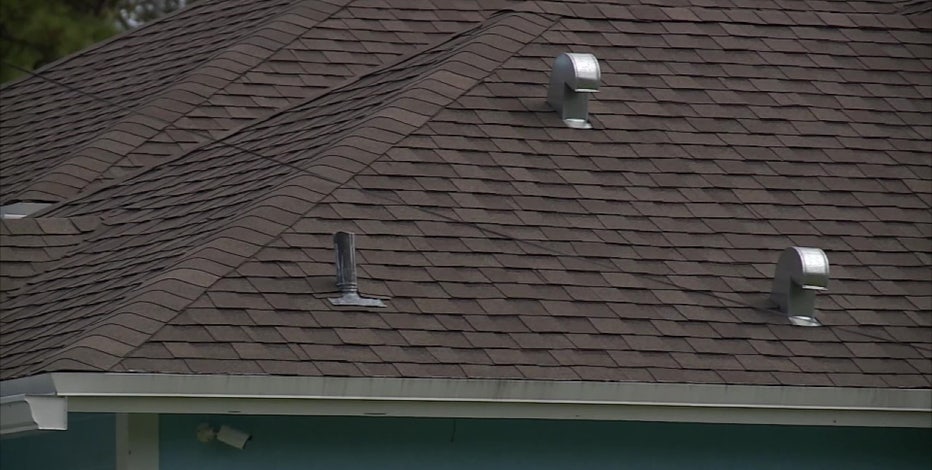
To get the most from your investment, regular maintenance is key. Here are some practical tips:
- Inspect Annually: Check for missing, cracked, or curling shingles, especially after severe weather.
- Clean Gutters: Ensure gutters and downspouts are clear to prevent water backup and roof damage.
- Remove Debris: Keep leaves, branches, and moss off the roof to avoid moisture buildup.
- Address Leaks Promptly: Use a quality sealant to fix minor leaks before they become major problems.
- Trim Overhanging Branches: Prevent branches from rubbing against shingles and causing abrasion.
For those considering an upgrade, it’s worth comparing the value of standard versus premium products. The cheap vs premium shingles article explores whether the extra cost is justified for your situation.
Cost Factors and Longevity
The total cost of an asphalt shingle roof depends on several variables:
- Material Quality: Higher-grade shingles cost more but offer better durability and appearance.
- Roof Size and Complexity: Larger or more complex roofs require more materials and labor.
- Local Labor Rates: Installation costs vary by region and contractor experience.
- Removal of Old Roofing: Stripping off old materials adds to the overall expense.
On average, asphalt shingle roofs last between 20 and 30 years. Architectural and luxury shingles can extend this lifespan, especially with regular care and prompt repairs. For a detailed comparison of costs across materials, revisit the roofing cost comparison resource.
Frequently Asked Questions
How often should asphalt shingles be replaced?
Most asphalt shingle roofs need replacement every 20–30 years, depending on the shingle type, climate, and maintenance. Signs like widespread curling, missing shingles, or persistent leaks indicate it’s time for a new roof.
Are asphalt shingles suitable for all climates?
Asphalt shingles perform well in most climates, but extreme heat or rapid temperature changes can shorten their lifespan. In areas with frequent storms or high winds, choosing architectural or luxury shingles is recommended for added durability.
Can I install new shingles over old ones?
While it’s possible to layer new shingles over an existing roof, it’s generally better to remove the old material. This allows for inspection of the decking and ensures a longer-lasting, more secure installation.
Conclusion
Asphalt shingles offer a practical, cost-effective, and attractive solution for homeowners seeking reliable roof protection. By understanding the different types, installation process, and maintenance needs, you can make a confident choice that fits your budget and style preferences. For those comparing options, don’t forget to explore resources like asphalt vs composite shingles to ensure you select the best material for your home’s unique needs.