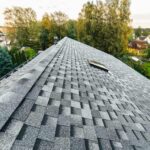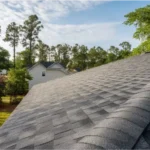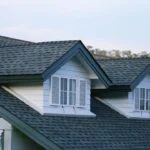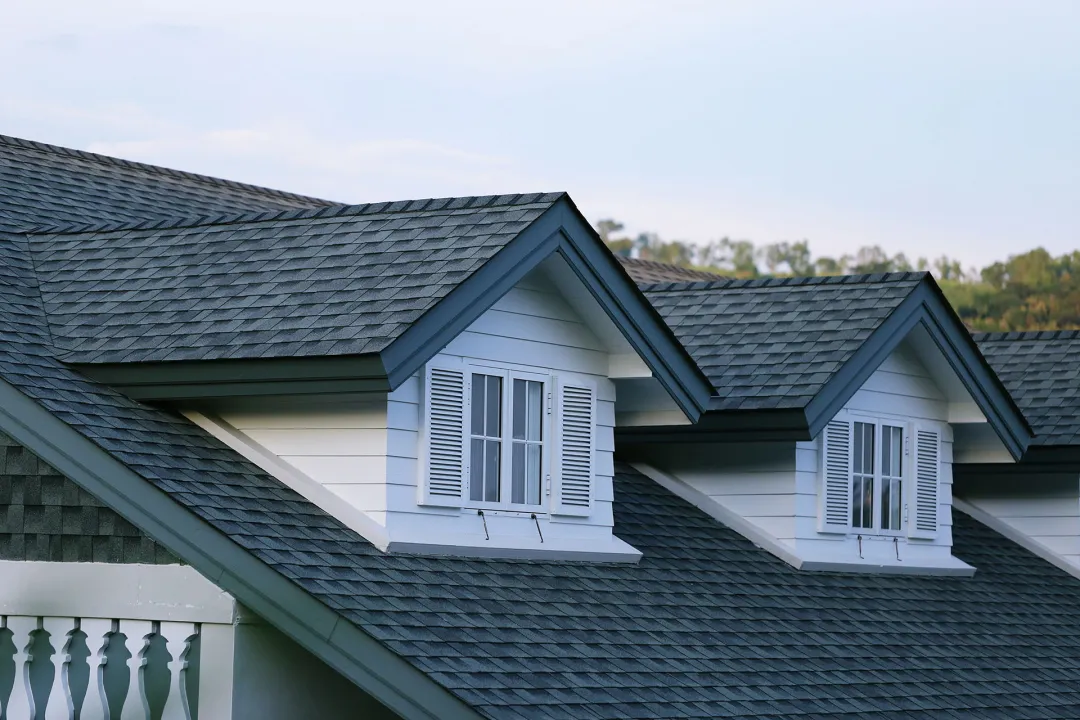
Homeowners and builders today have more choices than ever when it comes to modern roofing options. Asphalt shingles, in particular, have evolved significantly in recent years, offering improved durability, energy efficiency, and style. Whether you’re planning a new build or considering a roof replacement, understanding the latest advancements in asphalt shingles can help you make an informed decision that balances aesthetics, performance, and cost.
Asphalt shingles remain a favorite for residential roofing due to their affordability and versatility. However, recent innovations have elevated their performance and appearance, making them a strong contender even among premium roofing materials. In this article, we’ll explore the most important trends, materials, and features shaping the current landscape of asphalt shingle roofing.
If you’re considering a full tear-off and installation, check out the replacing old asphalt roof guide for a step-by-step overview of the process and what to expect.
What’s New in Asphalt Shingle Technology?
The latest generation of asphalt shingles incorporates advanced materials and manufacturing techniques. These improvements address common concerns such as weather resistance, energy efficiency, and longevity. Here are some of the most notable developments:
- Architectural and dimensional shingles: Unlike traditional 3-tab shingles, architectural varieties offer a layered, three-dimensional appearance. This not only enhances curb appeal but also improves wind resistance and overall durability.
- Algae-resistant coatings: Many manufacturers now include copper or zinc granules in the shingle surface to prevent unsightly algae growth, helping roofs maintain their color and appearance for longer.
- Cool roof technology: Reflective granules are being used to reduce heat absorption, lowering attic temperatures and potentially reducing cooling costs in warm climates.
- Impact-resistant shingles: Designed to withstand hail and debris, these shingles are rated for higher impact resistance, which can be especially valuable in storm-prone regions.
For a detailed breakdown of the different types of asphalt shingles available, visit this comprehensive guide to asphalt shingle varieties.
Design Trends: Colors, Textures, and Profiles
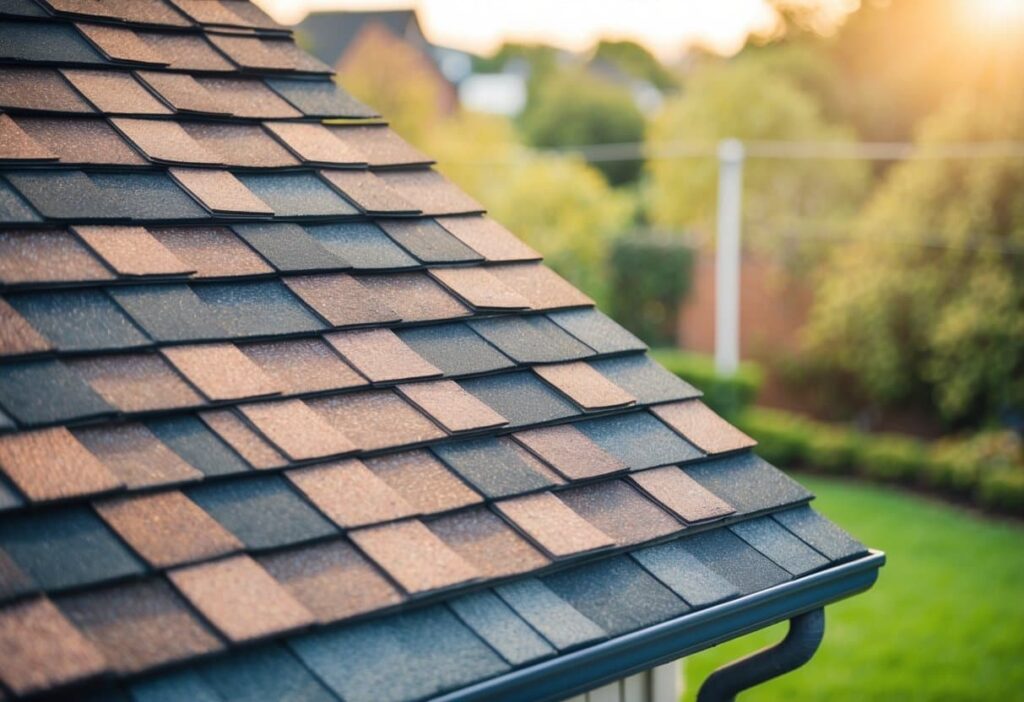
Today’s modern roofing options offer a broader palette of colors and textures than ever before. Homeowners can choose from deep earth tones, vibrant hues, and even shingles that mimic the look of slate or wood shakes. This flexibility allows for a customized look that complements any architectural style.
- Bold and blended colors: Multi-tone shingles are gaining popularity, creating a dynamic, dimensional effect that adds visual interest to the roofline.
- Textured finishes: Advances in granule technology allow for more realistic textures, giving asphalt shingles the appearance of premium materials at a fraction of the cost.
- High-definition profiles: Deeper shadow lines and varied shapes help shingles stand out, enhancing the overall aesthetic of the home.
These design advancements make it easier to match your roof to your home’s exterior, whether you prefer a classic, rustic, or contemporary look.
Performance and Durability: How Modern Shingles Stand Out
One of the most significant improvements in contemporary asphalt shingles is their enhanced performance. Manufacturers are now offering products with longer warranties, improved wind and impact ratings, and better resistance to the elements.
- Extended warranties: Many premium shingles come with warranties of 30 years or more, reflecting their increased lifespan and reliability.
- Wind resistance: Modern shingles are engineered to withstand winds of 110 mph or higher, making them suitable for regions with severe weather.
- Enhanced sealing strips: Improved adhesives help prevent shingle blow-off and leaks, especially during storms.
For those planning a new installation, the asphalt roof replacement guide provides valuable tips on choosing the right materials and ensuring a successful project.
Energy Efficiency and Sustainability in Roofing Choices
As energy costs rise and environmental awareness grows, many homeowners are seeking modern roofing options that contribute to a more sustainable home. Asphalt shingles have kept pace with this demand through several key innovations:
- Cool roof shingles: These products reflect more sunlight and absorb less heat, helping to keep homes cooler and reducing air conditioning costs.
- Recycled content: Some shingles now incorporate recycled materials, lowering their environmental impact and supporting circular manufacturing practices.
- End-of-life recycling: Programs are emerging to recycle old shingles into pavement and other products, reducing landfill waste.
When evaluating roofing materials, consider both the immediate benefits and the long-term environmental impact. Choosing energy-efficient and recyclable shingles can offer savings and peace of mind.
Installation Best Practices and Common Mistakes
Even the most advanced shingles require proper installation to perform at their best. Mistakes during installation can lead to leaks, premature aging, and warranty issues. Here are some best practices to follow:
- Ensure the roof deck is clean, dry, and in good condition before laying new shingles.
- Use high-quality underlayment and flashing to protect vulnerable areas.
- Follow the manufacturer’s nailing and sealing guidelines for optimal wind and water resistance.
- Allow for adequate attic ventilation to prevent heat and moisture buildup.
For a list of pitfalls to avoid, see this resource on roofing mistakes to avoid during your next shingle project.
Signs It’s Time to Upgrade Your Roof
Knowing when to replace your roof is crucial for protecting your home and investment. Watch for these warning signs that indicate it may be time to consider new modern roofing options:
- Cracked, curled, or missing shingles
- Granule loss or bald spots
- Leaks, water stains, or mold in the attic
- Visible sagging or structural damage
If you’re noticing any of these issues, review the asphalt roof failure signs to determine if immediate action is needed. For minor damage, such as a few cracked shingles, you can learn more about repair options in this article on cracked asphalt shingles.
FAQ: Common Questions About Asphalt Shingle Roofing
How long do modern asphalt shingles typically last?
Most high-quality asphalt shingles today are rated for 25 to 40 years, depending on the product and installation quality. Factors such as climate, ventilation, and maintenance can influence the actual lifespan.
Are new asphalt shingles more energy efficient than older types?
Yes, many of the latest shingles feature reflective granules and cool roof technology, which help reduce heat absorption and lower energy bills, especially in sunny climates.
Can I install new shingles over my old roof?
While some building codes allow for a second layer of shingles, a full tear-off is generally recommended for the best performance and to address any underlying issues. For more information, refer to the replacing old asphalt roof guide.
What maintenance do asphalt shingle roofs require?
Routine inspections, cleaning gutters, removing debris, and promptly addressing minor repairs can help maximize the lifespan of your roof. Using sealants and repairing damaged shingles quickly will also prevent leaks and further damage.
Conclusion: Making the Right Choice for Your Home
With the wide range of modern roofing options available, asphalt shingles continue to be a practical and attractive solution for homeowners. By understanding the latest trends in materials, design, and performance, you can select a roof that not only protects your home but also enhances its value and curb appeal. Always consult with a qualified roofing professional to ensure the best results for your specific needs and location.