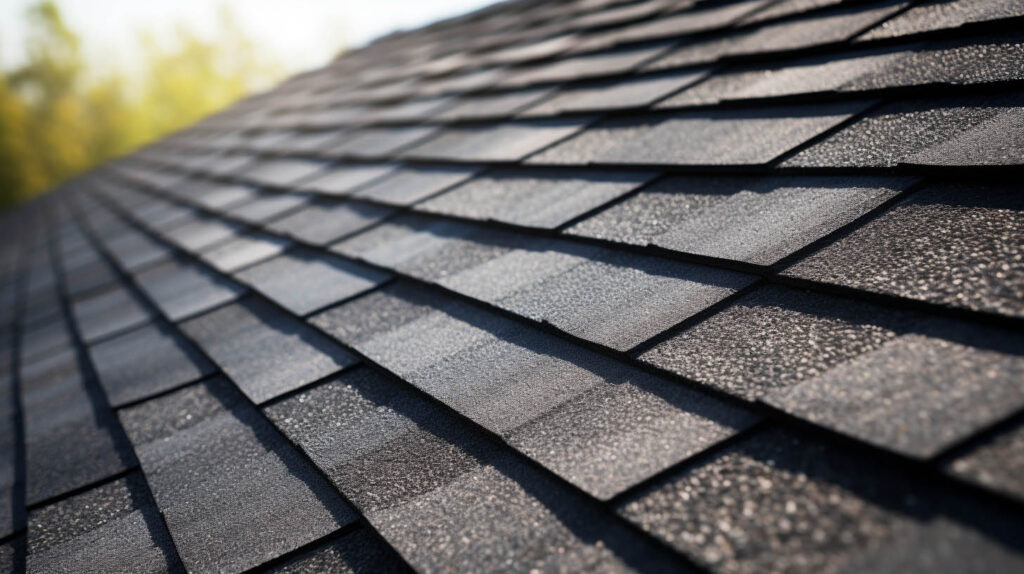
Choosing the right roofing material is a significant decision for any homeowner or property manager. Among the most popular asphalt shingle options are architectural shingles and 3 tab shingles. Each type has its own set of characteristics, advantages, and drawbacks. Understanding the distinctions between these two options can help you make an informed choice that suits your budget, aesthetic preferences, and long-term needs.
Both shingle types are widely used across North America, but they differ in terms of appearance, durability, cost, and installation. If you’re comparing architectural vs 3 tab shingles for your next roofing project, this guide will break down the essential differences and help you decide which is best for your situation.
For those interested in a broader comparison of roofing materials, you might also find value in our roofing options comparison guide, which explores how shingles stack up against other popular choices.
What Are 3 Tab Shingles?
3 tab shingles are a traditional type of asphalt roofing material. They are named for their design, which features three uniform tabs per shingle strip, creating a flat, consistent appearance across the roof. This style has been a staple in residential roofing for decades, valued for its affordability and straightforward installation.
- Appearance: Flat and uniform, with a single layer and clean lines.
- Cost: Typically the most budget-friendly asphalt shingle option.
- Durability: Generally lasts 15–20 years with proper maintenance.
- Weight: Lighter than architectural shingles, making them easier to handle but less robust in extreme weather.
For homeowners weighing the pros and cons of different shingle price points, our article on cheap vs premium shingles offers additional insights into how cost impacts performance and longevity.
Understanding Architectural Shingles
Architectural shingles, sometimes called dimensional or laminate shingles, are a more modern and advanced option. They are constructed with multiple layers of asphalt fused together, giving them a thicker, more dimensional appearance that can mimic the look of wood shakes or slate.
- Appearance: Varied shapes and thicknesses create a textured, high-end look.
- Cost: More expensive than 3 tab options, but often justified by increased durability and curb appeal.
- Durability: Typically last 25–30 years or more, with better resistance to wind, hail, and UV damage.
- Weight: Heavier and sturdier, which can enhance weather resistance but may require a stronger roof structure.
Architectural shingles are often chosen for their aesthetic value and superior performance, especially in regions with harsh weather conditions.
Key Differences Between Architectural and 3 Tab Shingles
When comparing architectural vs 3 tab shingles, several important factors come into play. Here’s a breakdown of the most significant distinctions:
| Feature | 3 Tab Shingles | Architectural Shingles |
|---|---|---|
| Design | Flat, uniform, single-layer | Thicker, dimensional, multi-layered |
| Durability | 15–20 years | 25–30+ years |
| Cost | Lower | Higher |
| Weather Resistance | Basic | Enhanced (wind, hail, UV) |
| Weight | Lighter | Heavier |
| Warranty | Shorter | Longer |
| Appearance | Simple, flat | Textured, high-end |
Performance and Longevity
One of the most important considerations when choosing between these two shingle types is how they perform over time. Architectural shingles are engineered for greater resilience, often with advanced adhesives and thicker materials that help them withstand wind speeds up to 130 mph or more. In contrast, 3 tab shingles may only be rated for winds up to 60–80 mph.
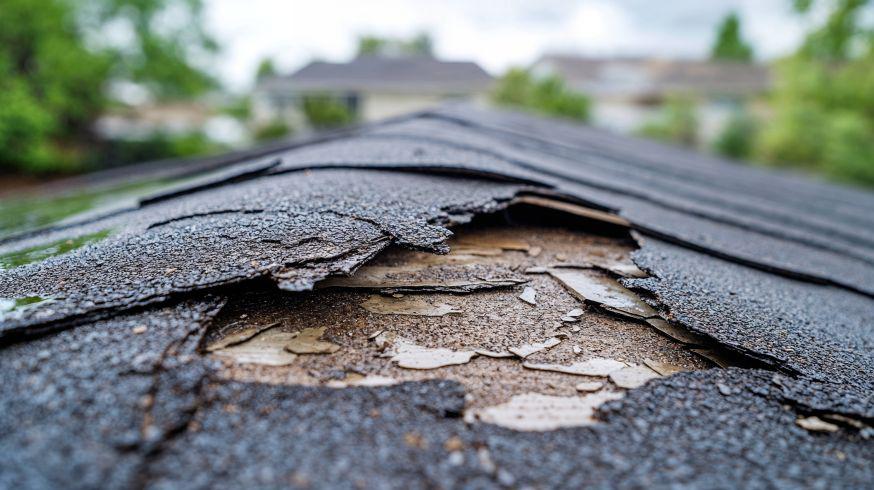
This difference in construction also means that architectural shingles are less likely to curl, crack, or lose granules prematurely. For those living in areas prone to storms or extreme temperatures, the added durability of architectural shingles can translate into fewer repairs and a longer roof lifespan.
Cost Comparison: Upfront and Over Time
Budget is a major factor for most roofing projects. 3 tab shingles are generally less expensive to purchase and install, making them a popular choice for rental properties, sheds, or homeowners on a tight budget. However, their shorter lifespan and increased likelihood of repairs can mean higher costs in the long run.
Architectural shingles require a higher initial investment, but their longevity and reduced maintenance needs often make them more cost-effective over the roof’s lifetime. If you’re planning to stay in your home for many years, the added expense may be worthwhile.
For a deeper dive into how asphalt shingles compare to other materials in terms of cost and durability, see our analysis of asphalt shingles vs metal roofing.
Installation and Maintenance
Both shingle types are installed using similar methods, but architectural shingles are heavier and may require more effort to handle and secure. Their added thickness can also help hide minor imperfections in the roof deck, resulting in a smoother finished look.
Maintenance for both options is relatively straightforward, involving periodic inspections and prompt repairs of any damaged or missing shingles. However, the enhanced durability of architectural shingles means they typically require fewer repairs over time.
Visual Appeal and Curb Value
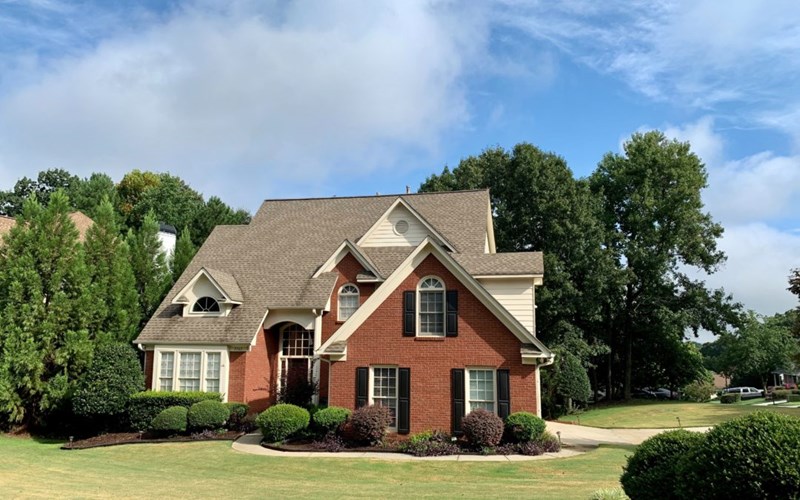
The look of your roof can significantly impact your home’s curb appeal. 3 tab shingles offer a simple, understated appearance that works well for traditional or minimalist styles. In contrast, architectural shingles provide a more dynamic and upscale look, with shadow lines and varied shapes that can enhance the overall aesthetic of your property.
Many homeowners choose architectural shingles when they want their roof to stand out or to increase the resale value of their home. The added depth and texture can complement a wide range of architectural styles.
When to Choose Each Type
The best shingle for your project depends on your priorities:
- Choose 3 tab shingles if: You need an affordable solution, are roofing a secondary structure, or plan to replace the roof again within 15–20 years.
- Choose architectural shingles if: You want a longer-lasting roof, enhanced weather resistance, or a more attractive appearance for your home.
For those considering other roofing materials, our guides on asphalt shingles vs clay tiles and asphalt shingles vs wood shakes provide detailed comparisons to help you weigh all your options.
Expert Resources and Further Reading
To explore the full range of asphalt shingle types, including specialty options and installation tips, check out this comprehensive guide to asphalt roofing shingles from a leading manufacturer.
Frequently Asked Questions
Are architectural shingles worth the extra cost?
For many homeowners, the added durability, longer lifespan, and improved appearance of architectural shingles justify the higher price. They can also enhance your home’s resale value and reduce maintenance costs over time.
Can you mix architectural and 3 tab shingles on the same roof?
It’s not recommended to mix these two types on the same roof, as their thickness, appearance, and installation requirements differ. Doing so can result in an uneven look and potential performance issues.
How do I know which shingle type is best for my climate?
If you live in an area with high winds, heavy rain, or frequent storms, architectural shingles are generally a better choice due to their enhanced weather resistance. For milder climates and lower budgets, 3 tab shingles may suffice.