Choosing the right roofing material is a major decision for any homeowner. The price of a new roof can vary widely depending on the type of material, labor, and long-term maintenance. Understanding the roofing cost comparison between popular materials helps you plan your budget and make a choice that fits both your needs and your wallet.
In this article, we’ll break down the costs associated with common roofing materials, including asphalt shingles, metal, clay tiles, and wood shakes. We’ll also look at factors that influence pricing, such as installation complexity and durability, so you can make a well-informed decision. For a more detailed look at how different roofing types stack up, check out our roofing options comparison guide.
Understanding the Basics of Roofing Costs
When evaluating roofing materials, it’s important to consider more than just the upfront price. The total cost of a new roof includes:
- Material costs (per square foot or per bundle)
- Labor expenses (installation, removal of old roofing, and disposal)
- Long-term maintenance and repair needs
- Expected lifespan of the material
- Energy efficiency and potential savings
Let’s explore how these factors play out for the most common residential roofing options.
Asphalt Shingles: The Most Popular and Affordable Choice
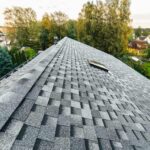
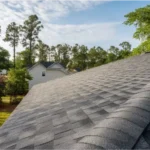
Asphalt shingles are the most widely used roofing material in North America. They’re favored for their affordability, ease of installation, and decent durability. On average, asphalt shingles cost between $3 and $5 per square foot installed, making them a budget-friendly option for many homeowners.
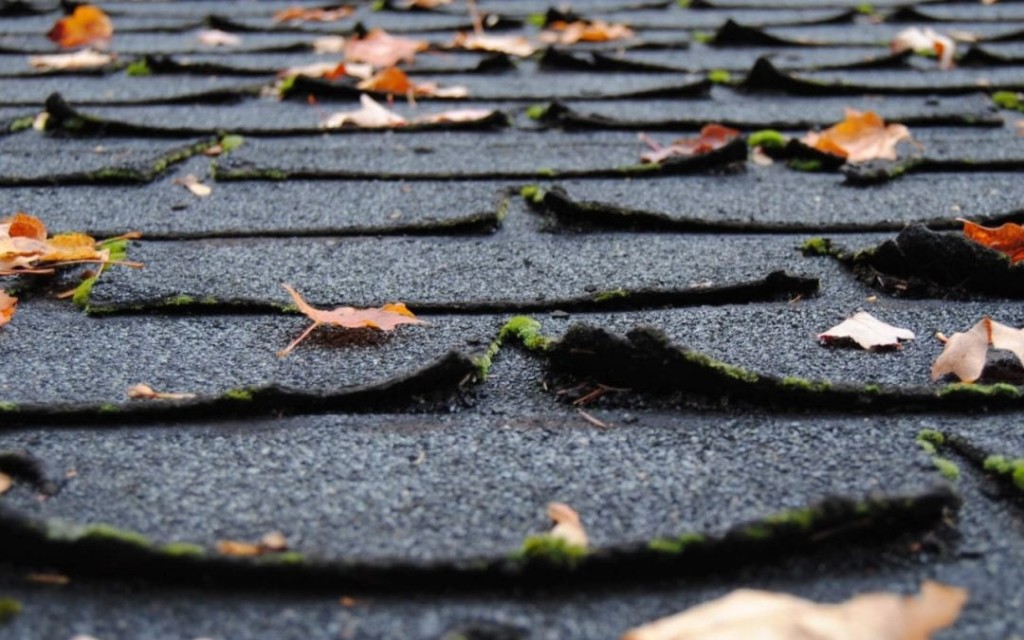
There are different types of asphalt shingles, such as 3-tab and architectural. Architectural shingles are thicker and last longer, but they also cost a bit more. Most asphalt shingle roofs last 15–30 years, depending on climate and maintenance. For a detailed breakdown of shingle types, see this comprehensive guide to roofing shingles.
Pros:
- Lowest upfront cost among roofing materials
- Wide range of colors and styles
- Easy to repair and replace
Cons:
- Shorter lifespan compared to metal or tile
- Can be susceptible to wind and hail damage
- May require more frequent maintenance
For a side-by-side look at how asphalt shingles compare to other materials, visit our best roofing material comparison resource.
Metal Roofing: Higher Investment, Longer Lifespan
Metal roofs are gaining popularity for their durability and modern appearance. The average cost for metal roofing ranges from $7 to $14 per square foot installed. While the initial investment is higher than asphalt, metal roofs can last 40–70 years with minimal maintenance.
Metal roofing comes in several varieties, including steel, aluminum, and copper. Each has its own price point and appearance. Metal is highly resistant to fire, wind, and impact, making it an excellent choice for areas with severe weather. It also reflects sunlight, which can help reduce cooling costs in hot climates.
Pros:
- Very long lifespan and low maintenance
- Excellent weather resistance
- Energy efficient
Cons:
- Higher upfront cost
- Can be noisy during heavy rain or hail
- Requires professional installation
For a direct comparison of metal and asphalt, see our article on asphalt shingles vs metal roofing.
Clay Tiles and Wood Shakes: Premium Choices with Distinct Appeal
Clay tiles and wood shakes are often chosen for their unique appearance and traditional charm. However, both options come with higher costs and specific installation requirements.
Clay Tiles
Clay tile roofs typically cost between $10 and $20 per square foot installed. They are extremely durable, often lasting 50 years or more, and are highly resistant to fire and insects. However, clay tiles are heavy and may require additional roof reinforcement, which can add to the overall expense.
Pros:
- Exceptional longevity
- Distinctive Mediterranean or Southwestern style
- Low maintenance
Cons:
- High initial cost
- Heavy weight may require structural upgrades
- Can be brittle and prone to cracking if walked on
For a detailed comparison of asphalt shingles and clay tiles, see our guide on asphalt shingles vs clay tiles.
Wood Shakes
Wood shakes offer a rustic, natural look and generally cost $7 to $12 per square foot installed. They are made from cedar or other rot-resistant woods. While wood shakes can last 30–40 years with proper care, they require regular maintenance to prevent mold, rot, and insect damage.
Pros:
- Natural beauty and unique character
- Good insulation properties
Cons:
- Requires more maintenance than other materials
- Not fire-resistant unless specially treated
- Can be expensive to install and repair
For more information on how wood shakes compare to asphalt shingles, visit our article on asphalt shingles vs wood shakes.
Key Factors That Influence Roofing Prices
While material choice is the biggest driver of cost, several other factors can impact your final bill:
- Roof size and complexity: Steeper or more intricate roofs require more labor and materials.
- Removal of old roofing: Tearing off and disposing of old material adds to labor costs.
- Location: Regional labor rates and material availability can cause prices to vary.
- Warranty and contractor quality: Higher-quality installation and longer warranties may increase the upfront price but provide peace of mind.
When comparing quotes, make sure you’re looking at similar scopes of work and that all necessary components (underlayment, flashing, ventilation) are included.
Long-Term Value and Maintenance Considerations
It’s important to factor in the long-term costs of your roofing choice. While some materials have a higher initial price, they may save money over time through reduced maintenance, fewer repairs, and longer lifespans. For example, metal and clay tile roofs generally require less upkeep than wood shakes or basic asphalt shingles.
Additionally, some roofing types can improve energy efficiency, potentially lowering your utility bills. Metal and light-colored tile roofs reflect more sunlight, helping to keep your home cooler in summer months.
FAQ: Roofing Cost Comparison and Budgeting
What is the most cost-effective roofing material for a tight budget?
Asphalt shingles are usually the most affordable option for homeowners on a budget. They offer a good balance of price, durability, and ease of installation, making them a popular choice for many residential projects.
How much more expensive is metal roofing compared to asphalt shingles?
Metal roofing typically costs two to three times more than asphalt shingles upfront. However, its longer lifespan and lower maintenance needs can make it a better investment over time, especially in areas with harsh weather.
Do premium materials like clay tiles or wood shakes add value to a home?
Premium roofing materials can boost curb appeal and resale value, especially in neighborhoods where these styles are common. However, the higher initial investment may not always be fully recouped, so it’s important to balance aesthetics with your budget and long-term plans.