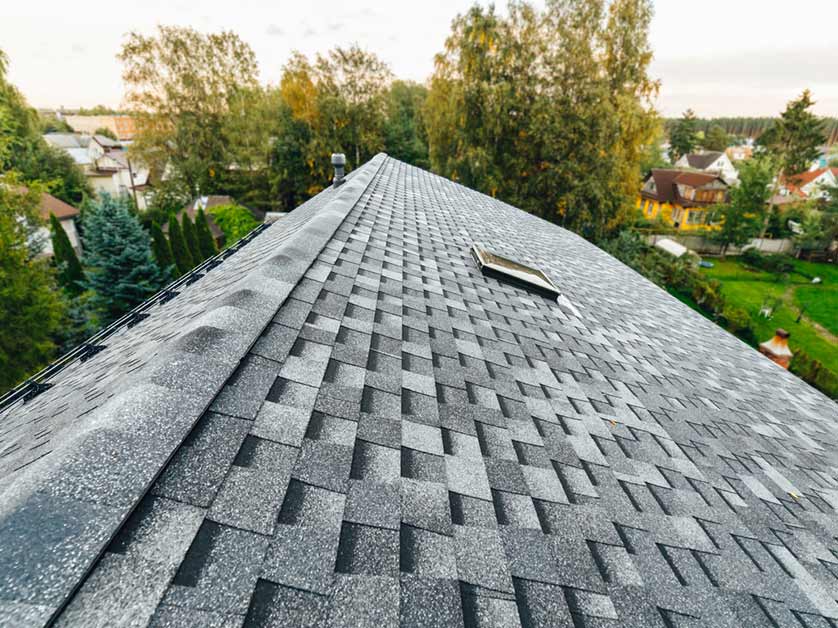
Asphalt shingles are one of the most popular roofing materials in North America, valued for their affordability and durability. However, over time, homeowners may notice small, sand-like particles accumulating in gutters or around the base of the home. These particles, known as granules, play a critical role in protecting your roof. When shingles begin to lose their granules, it can signal a decline in the roof’s protective capabilities and may lead to more significant issues if left unaddressed.
Understanding granule loss shingles is essential for maintaining your roof’s longevity and ensuring your home stays protected from the elements. This article explores what causes granule loss, how to spot the signs, and what steps you can take to address the problem before it leads to costly damage. For those living in areas with harsh climates, it’s also helpful to consult resources like the extreme weather roofing guide to choose the right shingles for your environment.
What Are Granules and Why Do Shingles Need Them?
Granules are small, mineral-coated particles embedded on the surface of asphalt shingles during manufacturing. Their primary functions include:
- UV Protection: They shield the underlying asphalt from the sun’s ultraviolet rays, preventing premature aging and brittleness.
- Weather Resistance: Granules help shed water, resist wind, and protect against hail and other impacts.
- Fire Resistance: The mineral coating adds a layer of fire resistance to the shingles.
- Aesthetic Appeal: Granules provide color and texture, enhancing curb appeal and allowing for various design options.
Without a sufficient layer of granules, shingles become vulnerable to cracking, curling, and leaks, reducing the overall lifespan of your roof.
Common Causes of Granule Loss on Shingles
Several factors can contribute to the shedding of granules from asphalt shingles. Some of the most common causes include:
- Age: As shingles age, the bond between the asphalt and granules weakens, leading to gradual loss.
- Weather Extremes: Heavy rain, hail, snow, and strong winds can dislodge granules, especially during storms. For more on weather-resistant options, see our snow resistant roof shingles resource.
- Poor Installation: Improperly installed shingles may not adhere correctly, making them more susceptible to granule loss.
- Foot Traffic: Walking on the roof can crush or dislodge granules, particularly if done repeatedly.
- Manufacturing Defects: Occasionally, shingles may have production flaws that cause premature granule shedding.
It’s important to distinguish between normal and excessive granule loss. New roofs may shed some loose granules left over from manufacturing, but ongoing or heavy loss is a red flag.
How to Identify Granule Loss on Your Roof
Spotting granule loss early can help you avoid more serious roofing problems. Here are some ways to check for this issue:
- Check Gutters and Downspouts: Accumulations of sand-like debris in gutters or at the base of downspouts are a common sign.
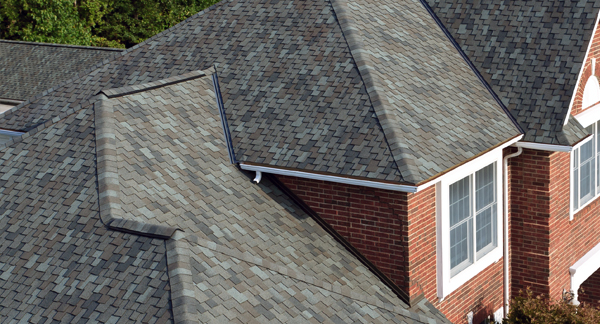
- Visual Inspection: Look for bare spots or uneven coloration on shingles. Exposed black or shiny patches indicate missing granules.
- Surface Texture: Run your hand gently over the shingles (if safe to do so). Areas that feel smoother than others may have lost granules.
- Water Stains or Leaks: Interior water stains can be a sign that granule loss has led to compromised waterproofing.
For a more detailed overview of asphalt shingle construction and maintenance, you can refer to this guide on asphalt shingle roofs.
Risks Associated with Granule Loss
When shingles shed their protective granules, several problems can develop:
- Accelerated Aging: The underlying asphalt is exposed to UV rays, which can cause it to dry out and crack.
- Increased Leak Risk: Without granules, shingles are less effective at shedding water, leading to leaks and water damage.
- Reduced Energy Efficiency: Granules reflect sunlight, so their loss can increase attic temperatures and energy costs.
- Shortened Roof Lifespan: Persistent granule loss can lead to premature roof replacement, increasing long-term costs.
Addressing granule loss promptly helps maintain your roof’s performance and protects your home’s value.
Repair and Prevention Strategies for Granule Loss
Once you’ve identified granule loss, it’s important to take action. Here are some practical steps to address the issue:
- Replace Damaged Shingles: If only a few shingles are affected, replacing them can restore your roof’s integrity.
- Apply Roof Sealant: Using a high-quality sealant can help protect vulnerable areas and extend the life of your shingles.
- Schedule Regular Inspections: Have a professional roofer inspect your roof annually, especially after severe weather events.
- Choose Quality Materials: When it’s time to re-roof, select shingles designed for your climate. For wet environments, consider waterproof asphalt shingles for added protection.
- Limit Roof Traffic: Avoid unnecessary walking on your roof to prevent mechanical damage to the granules.
Proactive maintenance and timely repairs are key to preventing widespread granule loss and the problems that follow.
When to Consider Roof Replacement
While minor granule loss is normal as shingles age, widespread or severe loss may indicate that your roof is nearing the end of its service life. Consider full replacement if you notice:
- Large, consistent bald patches across multiple areas
- Frequent leaks or water intrusion
- Shingles that are curling, cracking, or missing
- Roof age approaching or exceeding manufacturer’s warranty
For those in regions with cold winters, choosing cold weather roofing shingles can help ensure your new roof stands up to freezing temperatures and ice dams.
FAQ: Granule Loss and Asphalt Shingle Maintenance
Is it normal for new shingles to lose granules?
Yes, some granule shedding is normal after installation due to loose particles from the manufacturing process. However, ongoing or heavy loss is not typical and should be monitored.
Can I repair granule loss myself?
Minor repairs, such as replacing a few shingles or applying sealant, can be handled by experienced DIYers. For extensive damage or if you’re unsure, it’s best to consult a professional roofer.
Does granule loss always mean I need a new roof?
Not always. Isolated granule loss can often be repaired, but widespread or severe loss may require roof replacement. Regular inspections help determine the best course of action.
Conclusion: Protecting Your Roof from Granule Loss
Granule loss is a common issue with asphalt shingles that can compromise your roof’s ability to protect your home. By understanding the causes, recognizing the signs, and taking timely action, you can extend the life of your roof and avoid costly repairs. For those concerned about wind or storm damage, learning about asphalt shingles wind resistance can help you choose the best materials for your needs. Regular maintenance, quality materials, and prompt repairs are the best defense against the risks associated with granule loss.