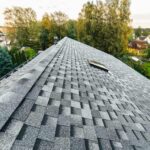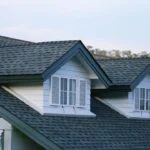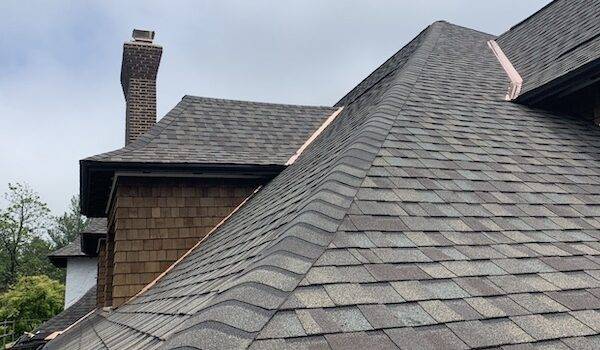
Keeping your shingle roof in top shape is one of the most important responsibilities for any homeowner. Regular maintenance not only extends the life of your roof but also helps prevent costly repairs down the line. In this guide, you’ll find practical roofing tips for homeowners that focus on shingle care, inspection routines, and preventative measures to protect your investment.
Understanding the basics of shingle roof maintenance can help you spot issues early and make informed decisions about repairs or replacements. Whether you’re dealing with asphalt, composite, or architectural shingles, the following advice will help you keep your roof performing at its best. For those considering different materials, the roofing cost comparison article provides a helpful overview of budgeting for various options.
Why Regular Roof Inspections Matter
Routine inspections are the foundation of effective roof maintenance. By checking your shingles at least twice a year—ideally in spring and fall—you can catch minor issues before they escalate. Look for cracked, curled, or missing shingles, as these are early signs of wear that can lead to leaks if left unaddressed. Pay attention to granule loss, which often appears as bald spots or excessive granules in gutters.
It’s also important to check flashing around chimneys, vents, and skylights. Damaged or loose flashing is a common source of leaks. If you notice any issues, address them promptly to prevent water infiltration and structural damage.
Cleaning and Debris Removal for Shingle Longevity
One of the simplest roofing tips for homeowners is to keep your roof clear of debris. Leaves, branches, and moss can trap moisture, leading to shingle deterioration and mold growth. Use a soft-bristle broom or leaf blower to gently remove debris. Avoid pressure washing, as it can dislodge granules and damage the shingles.
Gutter maintenance is equally important. Clogged gutters cause water to back up onto the roof, increasing the risk of leaks and rot. Clean gutters and downspouts regularly, especially after storms or heavy winds.
Spotting and Repairing Minor Shingle Damage
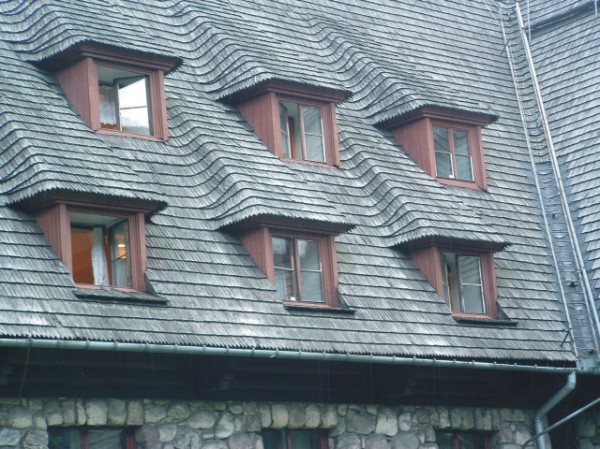
Early detection of shingle damage can save you from expensive repairs. Look for signs such as:
- Cracked or split shingles
- Blistering or bubbling surfaces
- Loose or missing shingles
- Dark streaks or algae growth
If you find minor issues, such as a few damaged shingles, you can often replace them yourself with basic tools and materials. Use a pry bar to carefully lift the damaged shingle and remove nails. Slide in a new shingle, secure it with roofing nails, and apply a quality sealant to prevent leaks. For more extensive damage, consult a professional roofer to ensure a proper fix.
When selecting replacement materials, consider the differences between asphalt vs composite shingles to ensure compatibility and performance.
Preventative Maintenance: What Every Homeowner Should Know
Proactive care is key to maximizing the lifespan of your shingle roof. Here are some essential steps:
- Trim Overhanging Branches: Trees near your home can drop branches and leaves onto your roof, causing damage and promoting moss growth. Keep branches trimmed back to reduce risk.
- Check Attic Ventilation: Proper ventilation prevents heat and moisture buildup, which can warp shingles and lead to mold. Make sure soffit and ridge vents are clear and functioning.
- Monitor for Ice Dams: In colder climates, ice dams can form at the roof edge, forcing water under the shingles. Install ice and water shields if necessary, and keep gutters clear to minimize buildup.
- Inspect After Severe Weather: After storms, check for missing or damaged shingles, and address issues immediately to prevent leaks.
Choosing quality materials also plays a significant role in long-term durability. For a deeper look at product options, see the cheap vs premium shingles analysis to determine if the extra investment is worthwhile for your home.
Understanding Shingle Types and Their Maintenance Needs
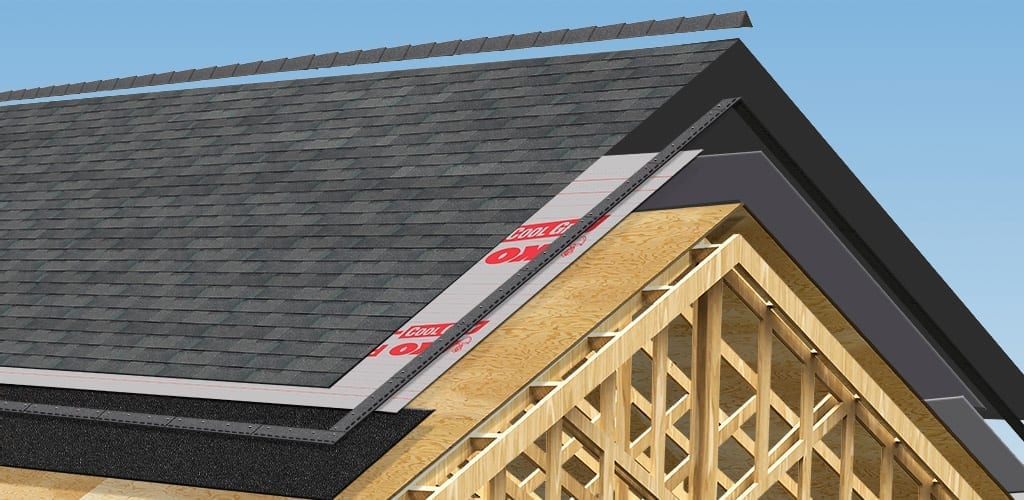
Not all shingles are created equal. Asphalt shingles are the most common choice for residential roofs due to their affordability and ease of installation. However, composite and architectural shingles offer enhanced durability and aesthetic appeal. Each type has its own maintenance requirements and lifespan.
For a detailed explanation of the differences between these materials, refer to the architectural vs 3 tab shingles guide. Additionally, if you’re interested in the technical aspects of asphalt shingles, the asphalt shingle overview on Wikipedia provides comprehensive background information.
Regardless of the type, regular inspection, cleaning, and prompt repairs are essential to ensure your roof’s longevity and performance.
When to Call a Professional Roofer
While many maintenance tasks can be handled by homeowners, certain situations require expert attention. Call a licensed roofer if you notice:
- Widespread shingle damage or missing sections
- Persistent leaks or water stains inside your home
- Sagging rooflines or structural issues
- Mold or rot in the attic or roof decking
Professional roofers have the tools and experience to safely assess and repair complex problems. They can also advise on whether a repair or full replacement is the best course of action. For those interested in durability, the roofing material durability comparison can help you evaluate long-term options.
Frequently Asked Questions
How often should I inspect my shingle roof?
It’s best to inspect your roof at least twice a year, ideally in the spring and fall. Additional checks after severe weather events are also recommended to catch storm-related damage early.
What are the most common signs of shingle roof problems?
Look for cracked, curled, or missing shingles, granule loss, dark streaks, and leaks inside your home. Early detection of these issues can prevent more serious damage and costly repairs.
Can I repair a few damaged shingles myself?
Yes, minor shingle repairs can often be done by homeowners with basic tools and materials. However, if you’re unsure or the damage is extensive, it’s safer to hire a professional roofer.
How do I choose between different shingle types?
Consider factors like budget, climate, and desired appearance. Asphalt shingles are affordable and easy to install, while composite and architectural shingles offer greater durability and style. Researching guides such as the asphalt vs composite shingles article can help you make an informed choice.
Conclusion
Maintaining your shingle roof doesn’t have to be overwhelming. By following these essential roofing tips for homeowners, you can extend the life of your roof, protect your home from water damage, and avoid unexpected expenses. Regular inspections, prompt repairs, and preventative care are the keys to a healthy, long-lasting roof. Stay proactive, use quality materials, and don’t hesitate to consult professionals when needed to keep your home safe and secure for years to come.