Choosing the right roofing material is a crucial decision for any homeowner or property manager. Among the most popular options are asphalt shingles and composite shingles. Each offers unique advantages and drawbacks in terms of durability, cost, appearance, and maintenance. Understanding how these two roofing materials compare can help you make an informed choice that fits your budget and long-term needs.
This guide breaks down the differences between these shingle types, focusing on performance, longevity, installation, and value. If you’re also interested in how different roofing materials stack up in terms of price, our roofing cost comparison provides a comprehensive overview to help with budgeting.
Understanding Asphalt Shingles
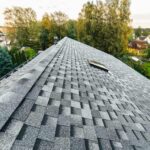
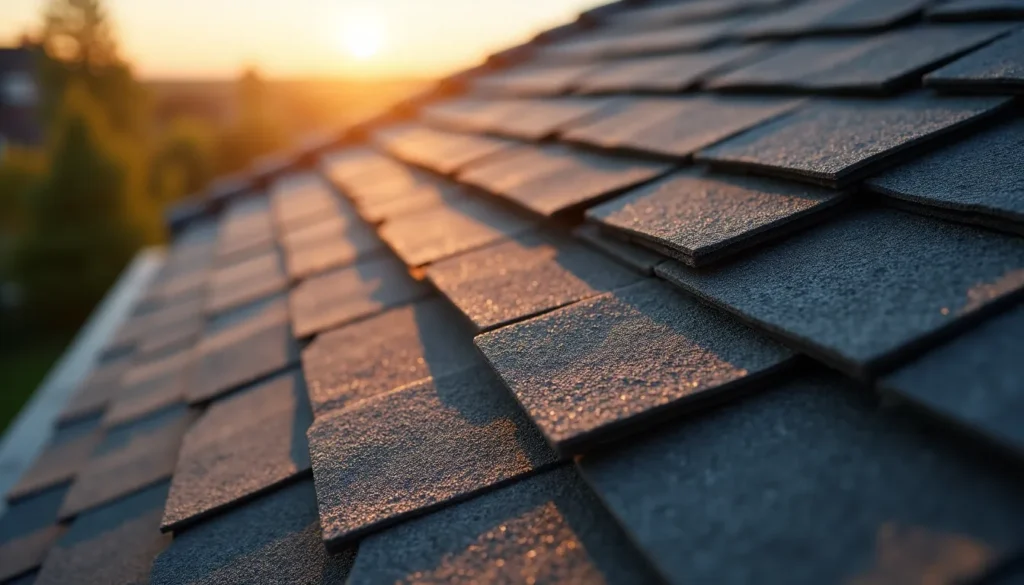
Asphalt shingles are the most widely used roofing material in North America. They are made from a fiberglass or organic mat base, coated with asphalt and topped with mineral granules. This construction provides a balance of affordability, ease of installation, and weather resistance.
There are two main types of asphalt shingles:
- Three-tab shingles: Lightweight, flat, and budget-friendly.
- Architectural (dimensional) shingles: Thicker, layered, and designed for enhanced durability and a more textured appearance.
For a deeper dive into the pros and cons of asphalt roofing, check out this detailed overview of asphalt shingle types and advantages.
What Are Composite Shingles?
Composite shingles are manufactured from a blend of materials, typically including fiberglass, recycled plastics, and synthetic polymers. This combination is engineered to mimic the look of natural materials like slate, wood, or tile, while offering improved durability and lower maintenance requirements.
Composite roofing is often chosen for its versatility in appearance and its ability to withstand harsh weather conditions. These shingles are sometimes referred to as “synthetic shingles” or “polymer shingles.”

Performance Comparison: Durability and Lifespan
When comparing asphalt vs composite shingles in terms of longevity, composite options generally come out ahead. Standard asphalt shingles last around 15–30 years, depending on climate and maintenance. Architectural asphalt shingles may push closer to 30 years with proper care.
Composite shingles, on the other hand, are engineered for extended durability. Many brands offer warranties of 40–50 years, and some synthetic shingles can last even longer. Their resistance to cracking, warping, and fading makes them ideal for regions with extreme weather or frequent temperature fluctuations.
Key factors influencing lifespan include:
- Climate: Intense sun, heavy rain, or hail can shorten the life of any shingle.
- Installation quality: Proper installation is critical for both types.
- Maintenance: Regular inspections and minor repairs can extend roof life.
Cost Considerations: Upfront and Long-Term Value
One of the main reasons homeowners choose asphalt shingles is their affordability. Three-tab asphalt shingles are among the least expensive roofing materials available, making them attractive for tight budgets or quick replacements. Architectural asphalt shingles cost a bit more but still remain accessible.
Composite shingles, while more expensive upfront, can offer better value over time due to their longer lifespan and reduced maintenance needs. The initial investment is higher, but fewer repairs and replacements may offset the cost in the long run.
For a detailed breakdown of how these materials compare in price, see our roofing cost comparison article.
Appearance and Curb Appeal
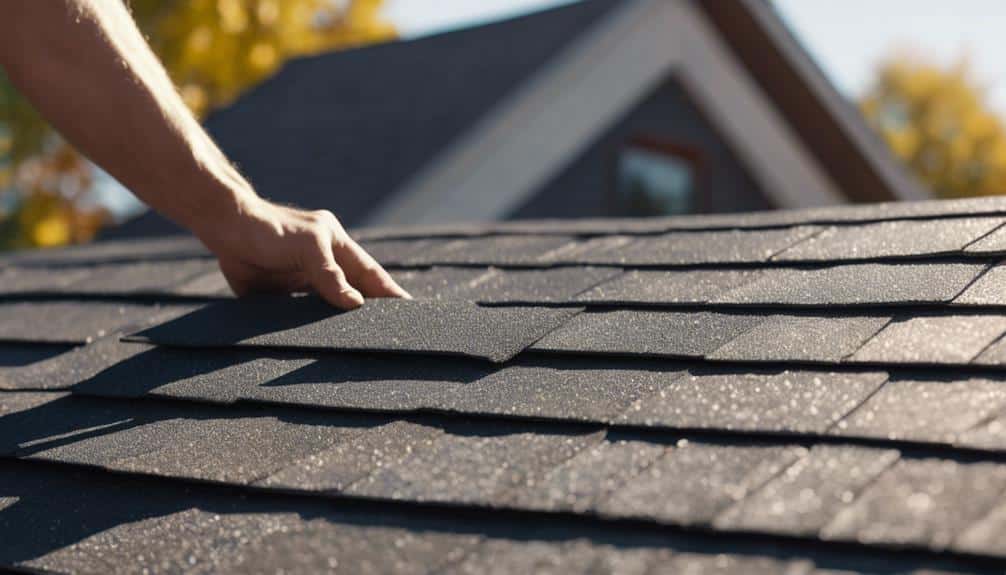
Both asphalt and composite shingles come in a wide array of colors and styles. Asphalt shingles have improved in design over the years, with architectural varieties offering a more dimensional, upscale look compared to basic three-tab options.
Composite shingles are specifically designed to replicate the look of premium materials like slate, shake, or tile. This makes them a popular choice for homeowners seeking high-end aesthetics without the weight or maintenance of natural materials. The color retention and fade resistance of composite products are typically superior to standard asphalt options.
Installation and Maintenance Differences
Asphalt shingles are known for their straightforward installation process, which keeps labor costs low. Most roofing contractors are familiar with asphalt products, making it easy to find qualified installers.
Composite shingles may require specialized installation techniques, especially if they are designed to mimic heavy materials like slate or wood. While installation costs can be higher, the long-term maintenance is often lower. Composite roofs are less prone to algae, moss, and granule loss, reducing the need for frequent repairs.
For those comparing other popular roofing options, you might also find our guides on asphalt shingles vs clay tiles and asphalt shingles vs metal roofing helpful.
Environmental Impact
Eco-conscious homeowners may want to consider the environmental footprint of their roofing material. Asphalt shingles are petroleum-based and can contribute to landfill waste when replaced. However, some manufacturers now offer recycling programs for old asphalt shingles.
Composite shingles often incorporate recycled materials in their production, and their extended lifespan means fewer replacements over time. This can make them a more sustainable option, especially if you choose brands committed to green manufacturing practices.
Which Roof Type Is Right for You?
The best choice between these two shingle types depends on your priorities:
- Budget: Asphalt is the clear winner for upfront savings.
- Longevity: Composite offers superior durability and longer warranties.
- Appearance: Composite provides more options for mimicking high-end materials.
- Maintenance: Composite generally requires less upkeep over time.
- Installation: Asphalt is easier and less costly to install.
If you’re weighing the pros and cons of shingle quality, our article on cheap vs premium shingles can provide further insight.
Frequently Asked Questions
Are composite shingles more expensive than asphalt?
Yes, composite shingles typically cost more upfront than asphalt options. However, their longer lifespan and reduced maintenance needs can make them more cost-effective over time.
How long do asphalt and composite shingles last?
Standard asphalt shingles generally last 15–30 years, while composite shingles can last 40–50 years or more, depending on the brand and installation quality.
Which roofing material is better for harsh climates?
Composite shingles are engineered to withstand extreme weather, including high winds, hail, and rapid temperature changes. While high-quality asphalt shingles also offer good protection, composite options usually provide superior performance in challenging climates.
Can I install composite shingles myself?
While DIY installation is possible for experienced homeowners, composite shingles often require specialized techniques. Professional installation is recommended to ensure warranty coverage and optimal performance.
Are there eco-friendly options for both shingle types?
Some asphalt shingle manufacturers offer recycling programs, and many composite shingles are made with recycled materials. Always check with the manufacturer for specific environmental certifications and programs.