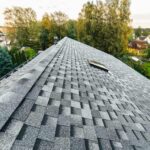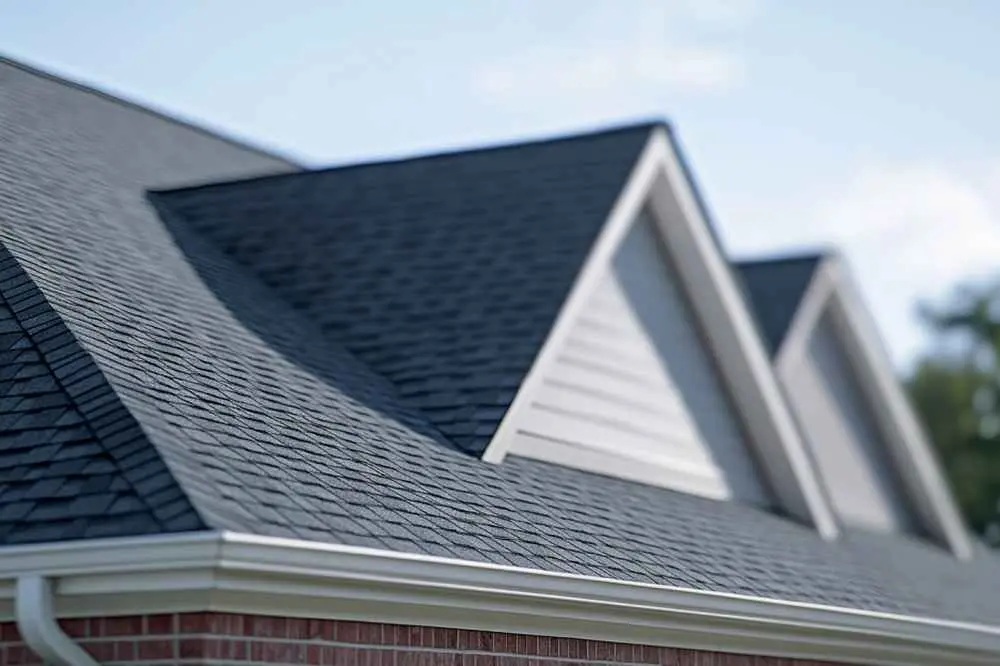
Taking on a roofing project is a significant responsibility for any homeowner. Whether you’re planning a full replacement or a minor repair, having a clear plan can save time, money, and stress. This roofing checklist for homeowners is designed to help you stay organized, make informed decisions, and ensure your roof is built to last. From initial inspection to final cleanup, following a structured approach will help you avoid common pitfalls and achieve the best results for your home.
Before diving into the step-by-step process, it’s helpful to understand the basics of roofing materials and costs. For a detailed look at how different options compare, see our roofing cost comparison guide. This resource breaks down the pros, cons, and price points of popular roofing materials, helping you budget wisely from the start.
Why a Homeowner’s Roofing Checklist Matters
Roofing projects are complex, involving multiple steps and decisions. Without a clear plan, it’s easy to overlook important details, leading to delays, unexpected expenses, or even structural issues. A well-structured checklist helps you:
- Identify and address potential problems early
- Communicate effectively with contractors
- Track progress and stay on schedule
- Ensure all safety and quality standards are met
By following a comprehensive list, you’ll be better prepared to manage your project from start to finish.
Initial Assessment: Inspecting Your Roof
Before contacting contractors or purchasing materials, start with a thorough inspection. Look for:
- Missing, cracked, or curling shingles
- Granule loss or bald spots
- Leaks or water stains inside your attic or ceilings
- Damaged flashing around chimneys, vents, or skylights
- Moss, algae, or debris buildup
Document your findings with photos and notes. This information will be valuable when discussing options with professionals and comparing quotes.
If you’re unsure about what to look for, consider hiring a certified inspector. They can provide a detailed report and recommend the best course of action.
Choosing Materials: What to Consider
Selecting the right roofing material is one of the most important decisions you’ll make. Factors to consider include:
- Climate and weather resistance
- Longevity and warranty
- Cost and availability
- Style and curb appeal
- Maintenance requirements
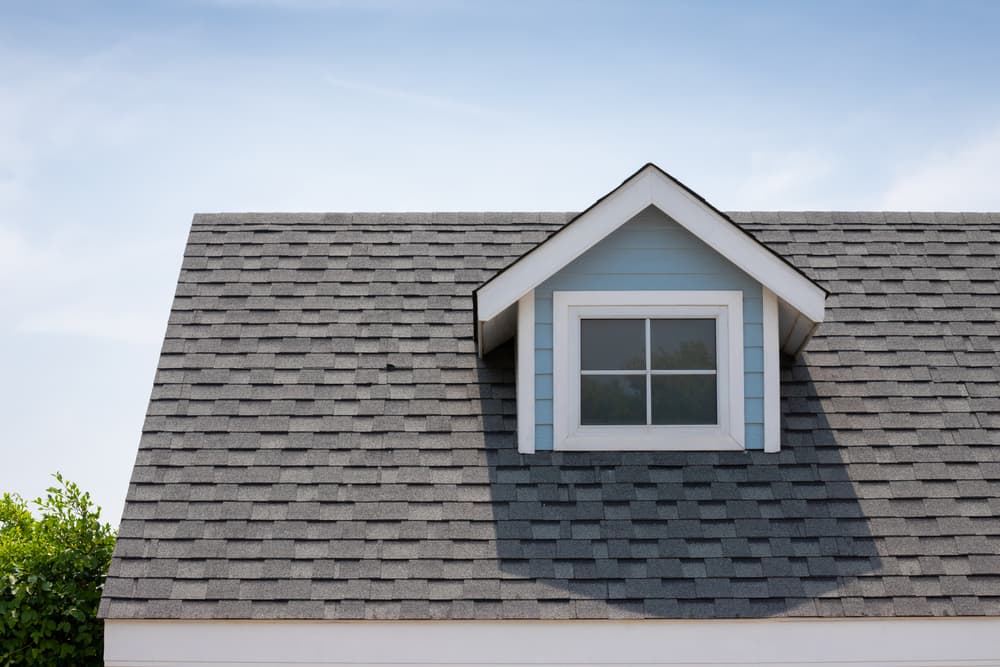
Asphalt shingles remain a popular choice due to their affordability and ease of installation. For a deeper dive into how they compare to other options, check out our article on asphalt vs composite shingles.
Finding and Hiring the Right Contractor
Choosing a reputable roofing contractor is crucial for a successful project. Here’s what to include in your vetting process:
- Check for proper licensing and insurance
- Read recent customer reviews and ask for references
- Request detailed written estimates from at least three contractors
- Review warranty terms and post-installation support
- Confirm their experience with your chosen roofing material
Don’t be afraid to ask questions and clarify any uncertainties before signing a contract. A trustworthy professional will be transparent about costs, timelines, and expectations.
Preparing Your Home and Property
Once you’ve selected a contractor and finalized your material choices, it’s time to prepare your home for the work ahead. Key steps include:
- Clearing vehicles, patio furniture, and valuables from the work area
- Protecting landscaping and fragile plants
- Covering items in your attic to shield them from dust and debris
- Informing neighbors about the upcoming project
Taking these precautions will help minimize disruption and prevent accidental damage during the installation process.
Project Timeline and Communication
Staying organized is easier when you have a clear project timeline. Work with your contractor to establish:
- Start and end dates
- Daily work hours
- Milestones for key phases (tear-off, underlayment, shingle installation, cleanup)
- Points of contact for questions or concerns
Regular communication helps ensure everyone is on the same page and allows you to address issues promptly.

Installation Day: What to Expect
On installation day, expect some noise and activity around your home. The process typically includes:
- Removing old roofing materials
- Inspecting and repairing the roof deck as needed
- Installing underlayment and flashing
- Laying new shingles or other roofing material
- Cleaning up debris and performing a final inspection
Stay available in case the crew needs access to your property or has questions about specific areas. Review progress at the end of each day to ensure work is proceeding as planned.
Post-Installation: Final Steps and Maintenance
After installation, walk through the completed project with your contractor. Confirm that:
- All materials are installed correctly and to your satisfaction
- Debris and nails are thoroughly cleaned up
- Warranty information and maintenance guidelines are provided
- Any remaining questions are answered
Regular maintenance is key to maximizing your roof’s lifespan. Schedule periodic inspections, especially after severe weather, and address minor repairs promptly. For more tips on getting the most from your investment, see our roofing material durability comparison.
Understanding Shingle Types and Upgrades
Not all shingles are created equal. Homeowners can choose between architectural, 3-tab, and premium options, each with unique benefits. For a breakdown of the differences, visit our guide on architectural vs 3 tab shingles. If you’re weighing the value of higher-end products, our cheap vs premium shingles article can help you decide if the additional investment is justified.
For more information about asphalt shingles, including their advantages and limitations, see this in-depth overview of asphalt shingle roofs.
FAQ: Homeowner Roofing Project Questions
What should I ask my roofing contractor before work begins?
Ask about licensing, insurance, warranty coverage, estimated timeline, and who will be on-site managing the project. It’s also wise to clarify payment schedules and how unexpected issues will be handled.
How can I tell if my roof needs a full replacement or just repairs?
Signs like widespread shingle damage, frequent leaks, or a roof that’s past its expected lifespan often indicate replacement is needed. Isolated leaks or minor damage may only require repairs. A professional inspection can help you decide.
How do I maintain my new roof to maximize its lifespan?
Schedule regular inspections, keep gutters clean, trim overhanging branches, and address minor issues promptly. Using quality sealants and materials, such as those recommended above, can also help protect your investment.