As homeowners and businesses look for ways to reduce energy costs and environmental impact, solar roofing system components have become a central topic in sustainable construction. Understanding the essential parts of a solar roof is crucial for anyone considering this investment. Whether you’re planning a new installation or want to optimize an existing setup, knowing how each element works together ensures you get the most from your solar energy system.
Before diving into the technical details, it’s helpful to compare the key differences between solar roof and traditional solar panels. This context can help you decide which system best fits your property and energy goals.
Core Elements of a Solar Roof
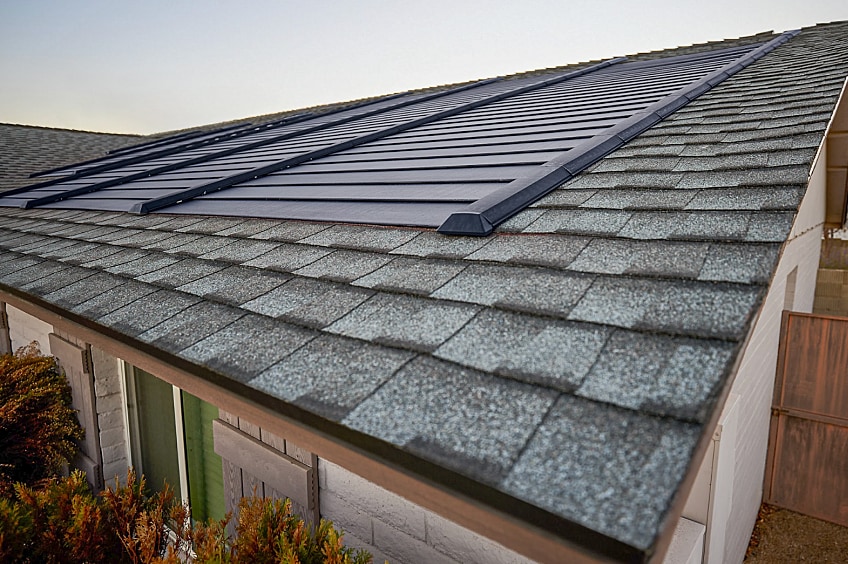
A modern solar roof is more than just solar panels or tiles. It’s a coordinated system of interconnected parts, each with a specific role. Let’s break down the main solar roofing system components you’ll encounter in most residential and commercial installations.
Solar Panels and Solar Roof Tiles
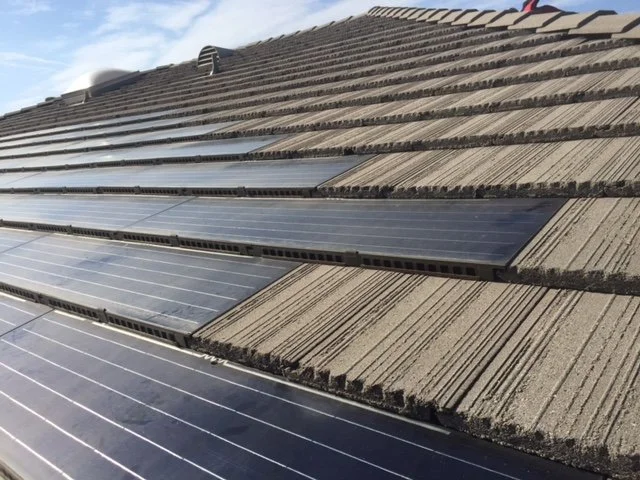
The most visible part of any solar roof is the energy-generating surface. This can be traditional photovoltaic (PV) panels mounted above the roof or integrated solar roof tiles that blend seamlessly with standard roofing materials. Both options convert sunlight into electricity using semiconductor materials.
- Solar panels are typically mounted on racks above the existing roof. They’re known for high efficiency and flexibility in placement.
- Solar roof tiles replace conventional shingles, offering a sleek appearance and weather protection. For a detailed comparison, see this guide on solar roof tiles versus solar panels.
Mounting and Racking Systems
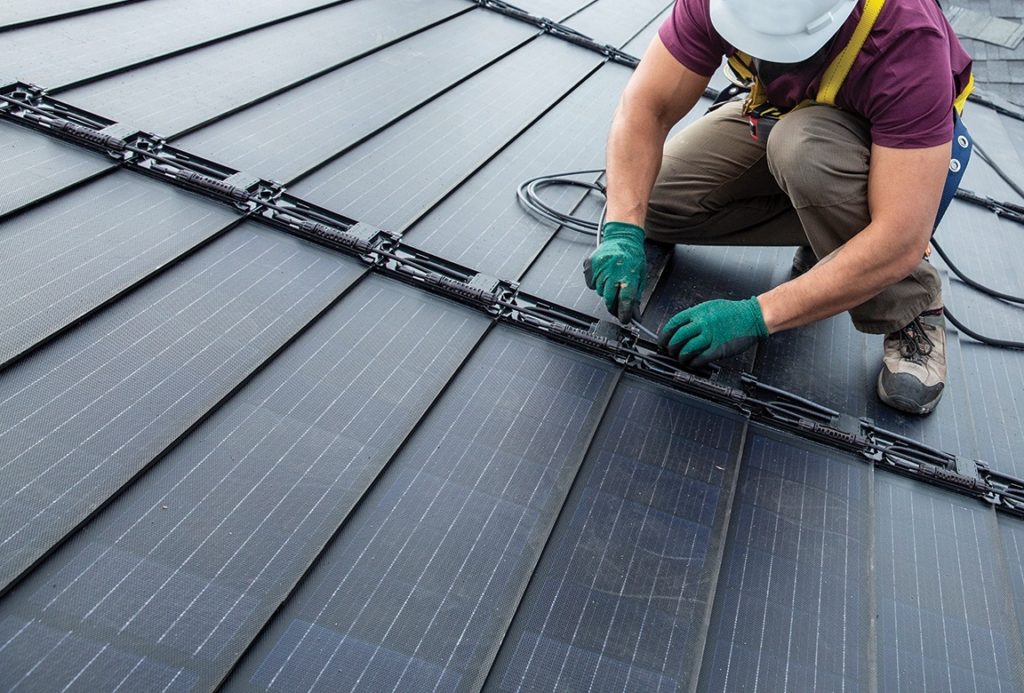
The mounting structure is a critical part of any solar roof. It secures panels or tiles to the roof deck, ensuring they withstand wind, rain, and snow. Proper racking also allows for optimal panel orientation and ventilation, which can improve energy output and extend the lifespan of your system.
- Flush mounts are used for low-profile installations, especially with integrated tiles.
- Rail-based racks are common for traditional panels, offering adjustability and robust support.
- Some systems use ballasted mounts for flat roofs, which avoid roof penetrations.
Inverters: Converting Power for Home Use
Solar panels generate direct current (DC) electricity, but most homes and appliances use alternating current (AC). The inverter is the device that converts DC to AC, making solar energy usable in your household.
- String inverters connect multiple panels in series, offering a cost-effective solution for simple roof layouts.
- Microinverters are installed on each panel, maximizing output even if some panels are shaded or dirty.
- Hybrid inverters can manage both solar and battery storage, providing more flexibility for energy management.
Supporting Components for Reliable Operation
Beyond the main energy-generating and conversion equipment, several other parts are vital for a safe and efficient solar roof. These supporting elements ensure your system operates reliably in all conditions.
Wiring, Connectors, and Junction Boxes
Electrical wiring links the panels, inverters, and your home’s electrical system. Specialized connectors and weatherproof junction boxes protect connections from moisture and corrosion, reducing fire risk and maintenance needs.
- High-quality, UV-resistant cables are essential for long-term durability.
- Junction boxes allow for safe transitions between different wiring segments.
- Proper cable management prevents tripping hazards and animal damage.
Monitoring Systems
Modern solar installations often include digital monitoring, either as a standalone device or integrated with the inverter. These systems track energy production, detect faults, and help you optimize usage.
- Real-time dashboards show daily and historical performance data.
- Alerts notify you of issues like shading, inverter faults, or panel malfunctions.
- Some systems offer remote access via smartphone apps or web portals.
Roofing Underlayment and Flashing
Underlayment is a waterproof barrier installed beneath solar tiles or mounting hardware, protecting your home from leaks. Flashing is used around penetrations (like mounting bolts) to direct water away from vulnerable areas.
- Quality underlayment extends roof life and prevents water intrusion.
- Flashing is especially important in climates with heavy rain or snow.
- Proper installation is key to maintaining your roof’s warranty and structural integrity.
Optional Add-Ons and Upgrades
While not required for every installation, several upgrades can enhance the performance and value of your solar roof.
- Battery storage lets you store excess solar energy for use at night or during power outages.
- EV charging stations can be integrated for convenient electric vehicle charging at home.
- Smart home integration allows your solar system to work with thermostats, lighting, and appliances for greater energy efficiency.
If you’re weighing the solar roofing pros and cons, these add-ons may tip the balance in favor of a more advanced system.
Maintenance and Longevity of Solar Roofs
Keeping your solar roof in top condition requires minimal but regular maintenance. Cleaning panels or tiles with a soft brush or specialized cleaning tool can prevent dirt buildup and shading, which reduces energy output. Inspecting mounts, wiring, and flashing annually helps catch small issues before they become costly repairs.
Most solar roofing system components are designed to last 20–30 years or more. Quality installation and routine care are the best ways to maximize your investment and ensure reliable performance for decades.
For homeowners interested in the latest technology, learning about the advantages of solar roof tiles can help you choose the right system for your needs.
Frequently Asked Questions
What are the main parts of a solar roofing system?
The essential components include solar panels or tiles, mounting and racking systems, inverters, wiring and connectors, monitoring systems, and roofing underlayment with flashing. Optional add-ons like battery storage and EV chargers are also available.
How do solar roof tiles differ from traditional solar panels?
Solar roof tiles are integrated into the roof itself, replacing standard shingles and offering a seamless look. Traditional panels are mounted above the roof and are generally more flexible in placement and efficiency. For a deeper comparison, see the differences between solar roof and traditional solar panels.
How long do solar roofing systems last?
Most modern systems are built to last 20–30 years or more, with minimal maintenance. Quality installation and regular inspections are key to ensuring longevity and optimal performance.
Are there any disadvantages to installing a solar roof?
While solar roofs offer many benefits, potential drawbacks include higher upfront costs and the need for a suitable roof structure. For a balanced perspective, review the disadvantages of solar roofing before making a decision.