Choosing the right shingles for your roof is a decision that impacts not just your home’s appearance but also its protection and long-term value. Homeowners often weigh the benefits of affordable options against higher-end products, wondering if the extra investment truly pays off. This guide explores the differences between budget-friendly and premium shingles, helping you make an informed choice based on durability, aesthetics, cost, and overall value.
Before diving deeper, it’s helpful to see how shingles compare with other roofing materials. For a broader perspective, check out the roofing options comparison guide for insights on how shingles stack up against alternatives like metal, clay, and wood.
Understanding the Difference: Budget vs High-End Shingles
At the core, the distinction between cheap vs premium shingles comes down to materials, construction, and performance. Budget shingles, often called three-tab or strip shingles, are thinner and lighter. Premium options, such as architectural or designer shingles, use more advanced materials and manufacturing techniques, resulting in a thicker, more robust product.
While both types serve the same basic function—protecting your home from the elements—their lifespan, appearance, and resistance to weather can differ significantly. Let’s break down the main factors to consider.
Materials and Construction: What Sets Them Apart?
Most shingles are made from asphalt, but the quality and quantity of materials used can vary. Economy shingles typically have a single layer of asphalt and a basic fiberglass mat. In contrast, premium products often feature multiple layers, enhanced adhesives, and improved granule coverage for better UV protection and impact resistance.
For a detailed look at how asphalt shingles compare to other materials, the asphalt shingles vs metal roofing article provides insights into cost and durability differences.
Visual Differences and Curb Appeal
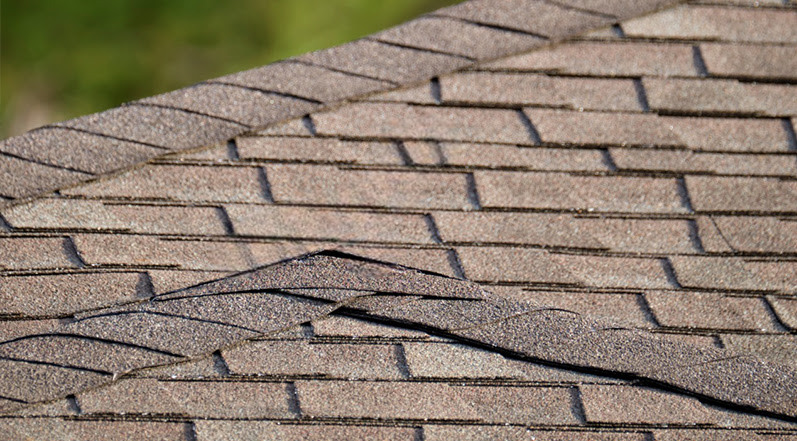
One of the most noticeable contrasts is in appearance. Entry-level shingles tend to have a flat, uniform look, while high-end options offer dimensional profiles and a wider range of colors and textures. If boosting your home’s curb appeal is a priority, premium shingles can make a striking difference.
Durability and Lifespan: How Long Will Your Roof Last?
One of the main arguments for investing in higher-end shingles is longevity. Standard three-tab shingles generally last 15–20 years under normal conditions. Architectural and designer shingles, however, can last 25–40 years or more, thanks to their thicker construction and improved resistance to wind, hail, and sun exposure.
Premium shingles often come with longer manufacturer warranties, reflecting their expected performance. If you live in an area prone to severe weather, the added protection can translate into fewer repairs and less frequent replacements.
For more on the differences in durability between asphalt and other materials, see the asphalt shingles vs clay tiles comparison.
Weather Resistance and Maintenance
Budget shingles may be more vulnerable to wind uplift, granule loss, and cracking over time. Premium options are engineered to withstand higher wind speeds and resist algae growth, which can be a concern in humid climates. Maintenance needs are typically lower with higher-quality products, saving you time and money in the long run.
Proper installation and regular inspections are crucial for maximizing the lifespan of any shingle type. Using a quality roof sealant can help extend the life of your roof, regardless of the shingle grade.
Cost Breakdown: Upfront Price vs Long-Term Value
For many homeowners, the initial price is a deciding factor. Three-tab shingles are the most affordable, making them attractive for tight budgets or quick fixes. However, it’s important to consider the total cost of ownership, not just the upfront expense.
Premium shingles cost more per square foot, but their extended lifespan and reduced maintenance can offset the higher purchase price. Over decades, you may spend less on repairs and replacements with a higher-quality product.
| Shingle Type | Average Lifespan | Estimated Cost (per sq. ft.) | Warranty |
|---|---|---|---|
| Three-Tab (Economy) | 15–20 years | $0.90–$1.20 | 10–20 years |
| Architectural (Premium) | 25–40 years | $1.20–$2.00 | 25–50 years |
| Designer (Luxury) | 30–50 years | $2.00–$4.00 | 30–50 years |
Keep in mind that installation costs can also vary depending on the complexity of your roof and local labor rates. Investing in a reputable contractor is essential for ensuring your shingles perform as intended.
Environmental Impact and Energy Efficiency
Higher-end shingles often incorporate features that improve energy efficiency, such as reflective granules that help keep your home cooler in the summer. Some premium products are also made with recycled materials or are themselves recyclable, reducing their environmental footprint.
Budget shingles may lack these enhancements, but both types can be part of a sustainable roofing system when paired with proper attic ventilation and insulation.
To learn more about how different roofing materials impact energy use and sustainability, visit the best roofing material comparison resource.

Making the Right Choice for Your Home
Deciding between affordable and premium shingles depends on your budget, how long you plan to stay in your home, and your priorities for appearance, durability, and resale value. If you’re looking for a short-term solution or working with a limited budget, standard three-tab shingles can be a practical choice. For those seeking long-term value, enhanced protection, and a boost in curb appeal, investing in higher-quality shingles is often worthwhile.
For more on how shingles compare to other classic roofing materials, the asphalt shingles vs wood shakes article offers a closer look at style and cost considerations.
It’s also wise to consult a local roofing professional who can assess your home’s specific needs and recommend the best option for your climate and budget.
Expert Resources and Further Reading
For a deeper understanding of how asphalt shingle roofing systems work, the asphalt roofing system guide explains the components and benefits of modern shingles in detail.
Always consider warranty coverage, installation quality, and ongoing maintenance when making your final decision. No matter which type you choose, proper care and timely repairs will help you get the most from your investment.
Frequently Asked Questions
Are premium shingles always worth the extra cost?
Premium shingles offer longer lifespans, better weather resistance, and improved aesthetics, which can justify the higher price for many homeowners. However, if you plan to move soon or have a tight budget, standard options may be more practical.
How can I tell if my roof needs premium shingles?
If your home is in an area with frequent storms, high winds, or extreme temperatures, investing in higher-quality shingles can provide better protection and reduce the risk of damage. Homes with steep roofs or complex designs may also benefit from the enhanced durability and appearance of premium products.
What maintenance is required for budget and high-end shingles?
Both types require regular inspections, cleaning of gutters, and prompt repair of any damage. Premium shingles may need less frequent maintenance due to their superior materials and construction, but all roofs benefit from proactive care and the use of quality sealants.