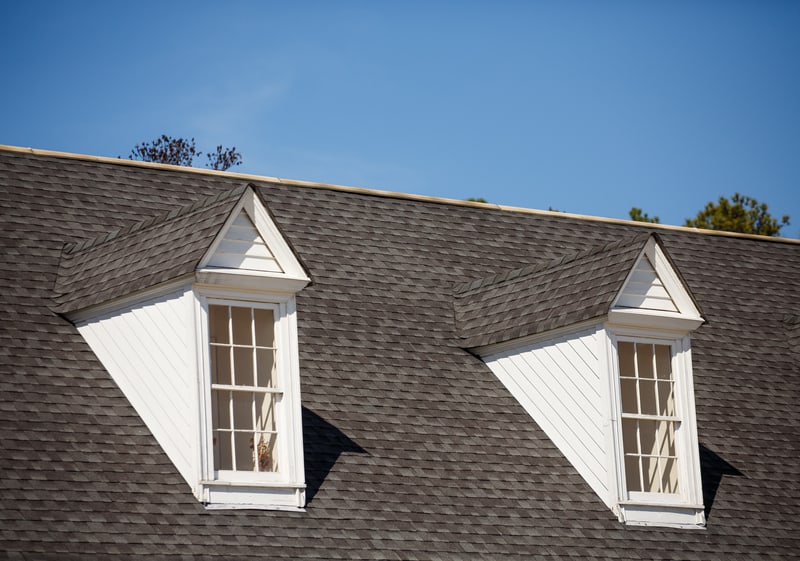
Choosing the right roof is a major decision for any homeowner or property manager. The lifespan of your roof impacts not just your home’s protection, but also long-term maintenance costs and resale value. With so many options available, understanding which materials truly stand the test of time is essential. This roofing material durability comparison will break down the expected longevity, strengths, and weaknesses of the most common roofing types, helping you make an informed choice for your next project.
Durability isn’t the only factor to consider, but it’s often the most important for those seeking a roof that will last for decades. If you’re weighing the pros and cons of different roofing products, you may also want to explore related topics such as cheap vs premium shingles or compare specific materials like asphalt shingles vs metal roofing and asphalt shingles vs clay tiles. For a broader look at the market, the roofing options comparison guide is also a helpful resource.
Key Factors That Impact Roof Longevity
Before diving into the specifics of each material, it’s important to understand what affects how long a roof will last. Here are the main factors:
- Material Quality: Premium grades of any roofing product typically last longer than economy versions.
- Installation: Even the best material can fail early if not installed correctly.
- Climate: Extreme weather, UV exposure, and temperature swings all play a role in wear and tear.
- Maintenance: Regular inspections and timely repairs can extend the life of any roof.
- Ventilation: Proper attic ventilation prevents moisture buildup and heat damage.
Now, let’s look at how the most popular roofing materials compare in terms of durability and lifespan.
Asphalt Shingles: Affordable and Popular, But How Long Do They Last?
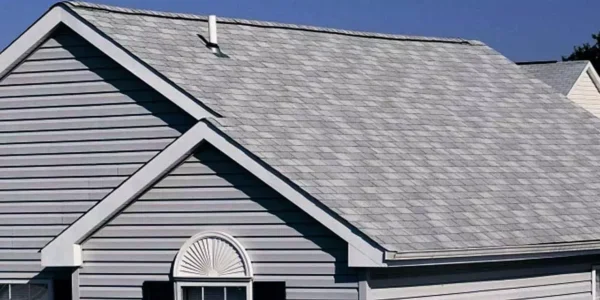
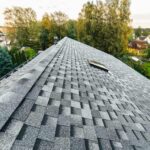
Asphalt shingles are the most widely used roofing product in North America, thanks to their affordability and ease of installation. However, their lifespan can vary significantly based on the type and quality:
- 3-tab shingles: 15–20 years
- Architectural (dimensional) shingles: 20–30 years
- Premium or designer shingles: Up to 40 years with proper care
Factors such as climate, attic ventilation, and regular maintenance can influence these numbers. For more details on the different grades, see this guide to the four classes of asphalt roofing shingles.
While asphalt shingles are cost-effective, they are more prone to damage from wind, hail, and UV rays compared to some alternatives. Still, for many homeowners, the balance of price and reasonable durability makes them a practical choice. If you’re comparing options, you might also be interested in the asphalt shingles vs wood shakes discussion for style and longevity differences.
Metal Roofing: A Top Performer in Roofing Material Durability Comparison
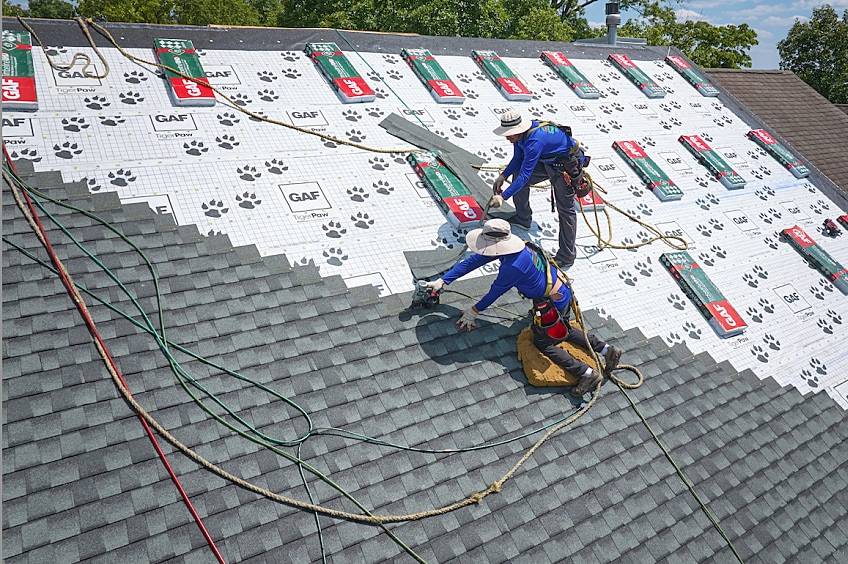
Metal roofing has surged in popularity due to its impressive longevity and resistance to the elements. The expected lifespan for metal roofs is typically:
- Steel or aluminum panels: 40–70 years
- Copper or zinc: 70–100+ years
Metal roofs are highly resistant to fire, wind, and hail. They also shed snow and rain efficiently, making them ideal for harsh climates. While the upfront cost is higher than asphalt, the long-term savings on replacement and repairs can be significant. For a direct comparison of cost and durability, see asphalt shingles vs metal roofing.
One consideration: metal can be noisy during heavy rain unless proper insulation is installed. Still, for those seeking a roof that may outlast the house itself, metal is a top contender in any roofing material durability comparison.
Clay and Concrete Tiles: Classic Looks, Impressive Lifespan
Clay and concrete tiles are known for their distinctive appearance and exceptional durability. Here’s what to expect:
- Clay tiles: 50–100 years
- Concrete tiles: 40–75 years
These materials are naturally resistant to fire, rot, and insect damage. They perform especially well in hot, dry climates, but can be vulnerable to cracking in freeze-thaw conditions. Their weight requires a reinforced roof structure, which can add to installation costs. If you’re considering this option, compare details in asphalt shingles vs clay tiles for more insights.
With proper care, tile roofs can easily last a lifetime, making them a smart investment for those who value both aesthetics and longevity.
Wood Shakes and Shingles: Natural Beauty, Moderate Durability
Wood shakes and shingles offer a rustic, natural look that appeals to many homeowners. Their lifespan depends on the wood species and local climate:
- Cedar shakes/shingles: 20–40 years
- Premium treated wood: Up to 50 years with diligent maintenance
Wood is susceptible to fire, rot, and insect damage unless properly treated. Regular cleaning and sealing are necessary to maximize lifespan. For a style and cost breakdown, see asphalt shingles vs wood shakes.
Wood roofs can be a good choice in areas with mild climates and for those who are willing to commit to ongoing upkeep.
Slate: The Ultimate in Longevity
Slate is often considered the gold standard for roof durability. Natural slate roofs can last 75–150 years or more, with some historic buildings still sporting their original slate after centuries. Slate is:
- Extremely resistant to fire, rot, and insects
- Low maintenance once installed
- Heavy, requiring a reinforced structure
- Among the most expensive options up front
For those seeking a roof that will truly last a lifetime (and beyond), slate is hard to beat. However, the high cost and specialized installation requirements mean it’s not practical for every home.
Comparing Roofing Materials: Lifespan at a Glance
| Material | Expected Lifespan | Key Strengths | Potential Drawbacks |
|---|---|---|---|
| 3-Tab Asphalt Shingles | 15–20 years | Affordable, easy to install | Shorter lifespan, less durable |
| Architectural Asphalt Shingles | 20–30 years | Better durability, moderate cost | Still outlasted by metal/tile |
| Metal (Steel/Aluminum) | 40–70 years | Long-lasting, low maintenance | Higher upfront cost, noise |
| Clay Tile | 50–100 years | Very durable, fire resistant | Heavy, costly to install |
| Concrete Tile | 40–75 years | Durable, less costly than clay | Heavy, can crack in cold |
| Wood Shakes/Shingles | 20–40 years | Natural look, renewable | Needs maintenance, fire risk |
| Slate | 75–150+ years | Extremely long-lasting | Very heavy, expensive |
Making the Right Choice for Your Home
There’s no single “best” roofing material for everyone. The right option depends on your budget, climate, style preferences, and how long you plan to stay in your home. If longevity is your top priority, metal, tile, and slate are clear leaders in any roofing material durability comparison. However, modern asphalt shingles and treated wood can also provide decades of reliable service with proper care.
Always consult with a reputable roofing contractor to assess your home’s structure and local climate before making a decision. Investing in quality installation and regular maintenance will help you get the most out of whichever material you choose.
Frequently Asked Questions
Which Roofing Material Lasts the Longest?
Natural slate has the longest lifespan, often exceeding 100 years. Copper and zinc metal roofs can also last a century or more. Clay and concrete tiles are next in line, with lifespans of 40–100 years depending on the specific product and climate.
Are Premium Asphalt Shingles Worth the Extra Cost?
Premium or architectural asphalt shingles offer better durability and longer warranties than basic 3-tab shingles. If you plan to stay in your home for many years, the extra investment can pay off in fewer repairs and a longer-lasting roof. For a deeper analysis, check out the cheap vs premium shingles guide.
How Can I Extend the Life of My Roof?
Regular inspections, prompt repairs, keeping gutters clean, and ensuring proper attic ventilation are key to maximizing roof lifespan. Using quality sealants and following manufacturer maintenance recommendations will also help protect your investment.