Solar roofing has become a popular choice for homeowners seeking sustainable energy and long-term savings. However, as with any roofing system, there are unique challenges that can arise. Understanding the common solar roofing problems and how to address them is essential for protecting your investment and ensuring your solar system performs optimally for years to come.
Whether you’re considering an upgrade or already have a solar-integrated roof, being aware of potential pitfalls can help you make informed decisions. For those planning a major renovation, it’s also helpful to review resources like the roof upgrade cost guide to understand the financial aspects of advanced roofing solutions.

Identifying the Most Frequent Issues with Solar Roofs
While solar roofing systems offer significant benefits, several issues tend to surface more often than others. Recognizing these early can help you take preventative action and avoid costly repairs.
- Leaks and Water Intrusion: Improper installation or damaged flashing can allow water to seep beneath solar panels or shingles, leading to moisture damage and even mold growth.
- Panel or Shingle Damage: Hail, falling branches, or severe weather can crack or dislodge solar components, reducing efficiency and exposing your roof to the elements.
- Poor Electrical Connections: Faulty wiring or loose connections may cause intermittent power loss, system shutdowns, or even fire hazards.
- Debris Accumulation: Leaves, dirt, and other debris can collect around panels, blocking sunlight and creating hotspots that damage cells.
- Structural Concerns: Some roofs may not be designed to handle the additional weight of solar systems, leading to sagging or long-term structural problems.
Addressing these challenges promptly is key to maintaining both the performance and safety of your solar roof.
Installation Mistakes That Lead to Solar Roofing Failures
One of the leading causes of solar roof problems is poor installation. Mistakes made during the initial setup can have lasting impacts, from leaks to electrical issues. It’s crucial to choose experienced professionals and verify their credentials before starting any solar project.
Common installation errors include:
- Incorrect placement of flashing or sealants, resulting in water entry.
- Improper mounting of panels or shingles, causing stress on roofing materials.
- Inadequate electrical grounding or routing, which can create safety hazards.
If you suspect your system was not installed correctly, reviewing resources such as the poor installation roofing issues guide can help you identify warning signs and determine next steps.
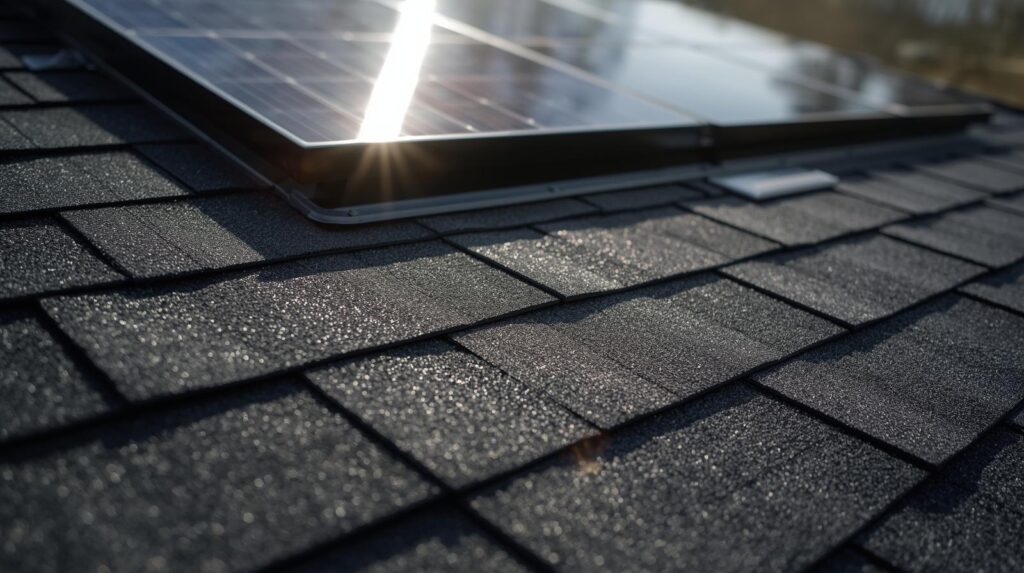
How Weather and Environment Affect Solar Roof Performance
Solar roofing systems are exposed to the elements year-round, making them susceptible to environmental wear and tear. Understanding how weather impacts your system can help you anticipate and prevent many common solar roofing problems.
- Hail and Storms: Severe weather can crack or shatter solar shingles and panels, requiring prompt replacement to maintain efficiency.
- Wind Uplift: High winds may loosen mounting hardware or even detach panels if not properly secured.
- Snow and Ice: Accumulation can add weight and cause water to back up under panels, increasing the risk of leaks.
- UV Exposure: Over time, sunlight can degrade roofing materials and wiring insulation, especially if lower-quality components are used.
Routine inspections after major weather events are recommended to catch and address damage early.
Maintenance Tips to Prevent Solar Roofing Issues
Regular upkeep is essential for extending the lifespan of your solar roof and minimizing unexpected repairs. Here are some practical steps to keep your system in top shape:
- Visual Inspections: Check for visible damage, loose panels, or signs of water intrusion at least twice a year.
- Cleaning: Remove debris, leaves, and dirt from panels and gutters to ensure maximum sunlight exposure and proper drainage. Using a specialized brush, like those found here, can make the job safer and more effective.
- Monitor Performance: Use your inverter or monitoring system to track energy output. Sudden drops may indicate a problem requiring professional attention.
- Schedule Professional Maintenance: Have a qualified technician inspect your system annually to check electrical connections, mounting hardware, and roof integrity.
Proactive care not only prevents issues but also ensures you get the best return on your solar investment.

Comparing Solar Shingles and Traditional Panels: Which Has Fewer Issues?
When weighing the pros and cons of solar roofing, it’s helpful to compare integrated solar shingles with traditional rack-mounted panels. Each option comes with its own set of challenges and maintenance needs.
- Solar Shingles: These are designed to blend seamlessly with your roof, offering a streamlined appearance. However, they can be more difficult to repair and may have higher upfront costs.
- Traditional Panels: Mounted above the roof surface, these are generally easier to service and replace. They may, however, be more susceptible to wind uplift and debris accumulation beneath the panels.
For a deeper comparison, see this detailed guide on solar roof tiles versus solar panels to determine which system best fits your needs and local climate.
Addressing Structural and Sagging Concerns
Adding solar to your roof increases the overall load, which can sometimes lead to structural issues if not properly accounted for during installation. Signs of sagging or uneven surfaces should be investigated immediately, as they may indicate underlying problems with your roof’s integrity.
If you notice any dips or movement in your roofline, consult a professional and review resources like the roof sagging problems article for guidance on next steps. Reinforcing your roof structure before solar installation is always recommended, especially for older homes.
When to Replace or Upgrade Your Solar Roof
Even with diligent maintenance, there comes a time when replacement or significant upgrades are necessary. Factors to consider include:
- Age of your current solar system and roofing materials
- Frequency and severity of repairs
- Advancements in solar technology that offer better efficiency or durability
- Changes in your household’s energy needs
If your roof is nearing the end of its lifespan, it may be wise to coordinate a full replacement with your next solar upgrade. For step-by-step guidance, refer to the replacing old asphalt roof resource or the asphalt roof replacement guide for comprehensive planning tips.
FAQ: Solar Roofing Concerns Answered
What should I do if I notice a leak near my solar panels?
First, check for visible gaps or damaged flashing around the affected area. If you’re unable to identify the source, contact a roofing professional with experience in solar systems. Prompt action is crucial to prevent water damage to both your roof and solar components.
How often should I clean my solar panels or shingles?
Most manufacturers recommend cleaning your solar surfaces at least twice a year, or more frequently if you live in an area with heavy pollen, dust, or bird activity. Use a soft brush and avoid abrasive materials to prevent scratching the panels.
Can solar roofing be installed on any type of roof?
Solar systems can be adapted to many roofing materials, but some—like slate or wood shake—may require additional preparation or reinforcement. Always consult with a qualified installer to assess your roof’s suitability and structural capacity before proceeding.