Thinking about upgrading your roof with solar technology? This solar roofing FAQ guide is designed to help homeowners understand the essentials, benefits, and considerations of integrating solar solutions into their homes. With energy costs rising and sustainability becoming a top priority, more people are exploring solar roofing as a practical way to generate clean electricity and add value to their property.
Whether you’re curious about how solar shingles work, want to know about installation, or are weighing the costs and long-term savings, this resource covers the most common questions and concerns. For those considering a broader roof renovation, it’s also helpful to compare solar options with traditional upgrades. You can learn more about related costs and planning by visiting the roof upgrade cost guide.
Understanding Solar Roofing: What Homeowners Need to Know
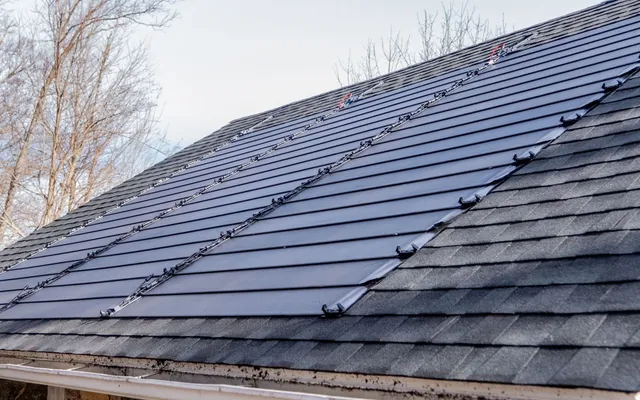
Solar roofing combines traditional roofing materials with photovoltaic (PV) technology, allowing your roof to generate electricity from sunlight. Unlike conventional solar panels that sit on top of your roof, solar shingles or tiles are integrated directly into the roofing structure. This approach offers a streamlined appearance and can be a good fit for new builds or full roof replacements.
There are two main types of solar roofing:
- Solar shingles or tiles: Designed to look like standard roofing materials but with built-in solar cells.
- Mounted solar panels: Traditional panels installed over existing roofing, often more cost-effective but less visually integrated.
Choosing between these options depends on your home’s architecture, budget, and energy goals.
Key Benefits Highlighted in This Solar Roofing FAQ Guide
Homeowners are increasingly drawn to solar roofing for several reasons:
- Energy savings: Generating your own electricity can significantly reduce monthly utility bills.
- Environmental impact: Solar power is renewable and helps lower your carbon footprint.
- Property value: Homes with solar installations often see increased resale value.
- Durability: Many solar roofing products are built to last 25 years or more, providing both protection and power.
- Incentives: Federal, state, and local programs may offer tax credits or rebates to offset installation costs.
It’s important to research available incentives in your area, as they can make solar more affordable and improve your return on investment.
Installation Process and Considerations
Installing solar roofing is a significant project that requires careful planning and professional expertise. Here’s what to expect:
- Assessment: A solar contractor will evaluate your roof’s condition, orientation, and shading to determine suitability.
- Design: The system is customized to your home’s size, energy needs, and aesthetic preferences.
- Permitting: Local building codes and utility requirements must be met before work begins.
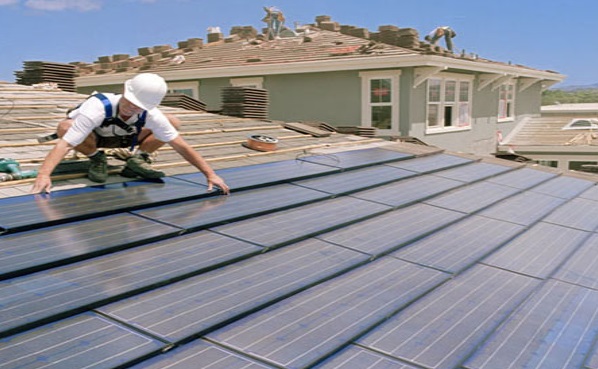
- Installation: Old roofing may be removed if necessary, and new solar shingles or panels are integrated into the structure.
- Inspection and connection: After installation, the system is inspected and connected to your home’s electrical system and, if applicable, the utility grid.
For older roofs, it might be wise to consider a full replacement before adding solar. Resources like the replacing old asphalt roof guide can help you plan for a seamless upgrade.
Common Questions About Solar Roofing Systems
Below are answers to some of the most frequent concerns raised by homeowners exploring solar technology:
- Will solar roofing work in my climate? Most systems perform well in a variety of climates, though output is highest in sunny regions. Modern technology allows for efficient energy generation even on cloudy days.
- How long does installation take? The process typically takes one to two weeks, depending on roof size and complexity.
- What about maintenance? Solar roofs require minimal upkeep. Occasional cleaning and periodic inspections are recommended to ensure optimal performance.
- Is my roof strong enough? Your roof must be in good condition to support solar products. If you have concerns about structure or age, consult a professional or review tips on addressing roof sagging problems.
Solar Roofing FAQ Guide: Cost, Savings, and Incentives
One of the most important topics for homeowners is the financial aspect of solar roofing. Here’s what you need to know:
- Upfront cost: Solar shingles typically cost more than traditional roofing, but prices have been dropping as technology advances. The total investment depends on roof size, system capacity, and product choice.
- Long-term savings: Most homeowners see a reduction in electricity bills, with payback periods ranging from 7 to 15 years. After that, the energy produced is essentially free.
- Incentives: Federal tax credits, state rebates, and utility programs can significantly lower your out-of-pocket expenses. Always check for the latest incentives before making a decision.
- Resale value: Solar-equipped homes often sell faster and at higher prices, according to real estate studies.
For a deeper dive into the environmental and economic impacts of solar installations, you can review this peer-reviewed research on solar roofing benefits.
Maintenance and Longevity of Solar Roofs
Solar roofing is designed for durability and low maintenance. Most products come with warranties of 20–30 years, and the technology is built to withstand harsh weather, including hail and high winds. Here are some maintenance tips:
- Inspect your roof annually for debris or damage.
- Clean panels or shingles as needed to remove dirt and leaves. Using a soft brush or a specialized cleaning tool can help maintain efficiency.
- Schedule professional inspections every few years to ensure all components are functioning properly.
Proper installation is key to longevity. If you’re concerned about workmanship, review guidance on spotting poor installation roofing issues to avoid common pitfalls.
Frequently Asked Questions
- Can solar roofing be installed on any type of roof?
- Solar shingles and panels are compatible with most roofing materials, including asphalt, metal, and tile. However, the roof must be in good condition and have sufficient sun exposure. If your roof is nearing the end of its lifespan, consider replacing it first to maximize the benefits of solar integration.
- What happens if I need to repair or replace my solar roof?
- Repairs are similar to those for traditional roofs, but it’s important to work with professionals experienced in solar technology. Damaged shingles or panels can usually be replaced individually. If a full replacement is needed, the system can be removed and reinstalled as part of the process.
- Will solar roofing affect my home insurance?
- Most insurance providers cover solar installations as part of your dwelling coverage, but it’s wise to notify your insurer before installation. Some policies may require updates or adjustments to ensure full protection.
Making the Decision: Is Solar Roofing Right for You?
Deciding whether to invest in solar roofing involves weighing the upfront costs, potential savings, and your long-term goals. Consider your home’s location, roof condition, and how long you plan to stay in your property. Consulting with a qualified solar installer can provide a tailored assessment and help you navigate local regulations and incentives.
If you’re planning a broader roof replacement, resources like the asphalt roof replacement guide can help you coordinate your project for maximum efficiency and value.
Summary: Key Takeaways for Homeowners
- Solar roofing offers a blend of energy savings, environmental benefits, and modern aesthetics.
- Understanding installation, maintenance, and incentives is crucial for making an informed decision.
- Always work with experienced professionals and check your roof’s condition before proceeding.
- Leverage available resources and guides to plan your upgrade effectively.
With the right approach, solar roofing can be a smart investment that pays off for years to come.