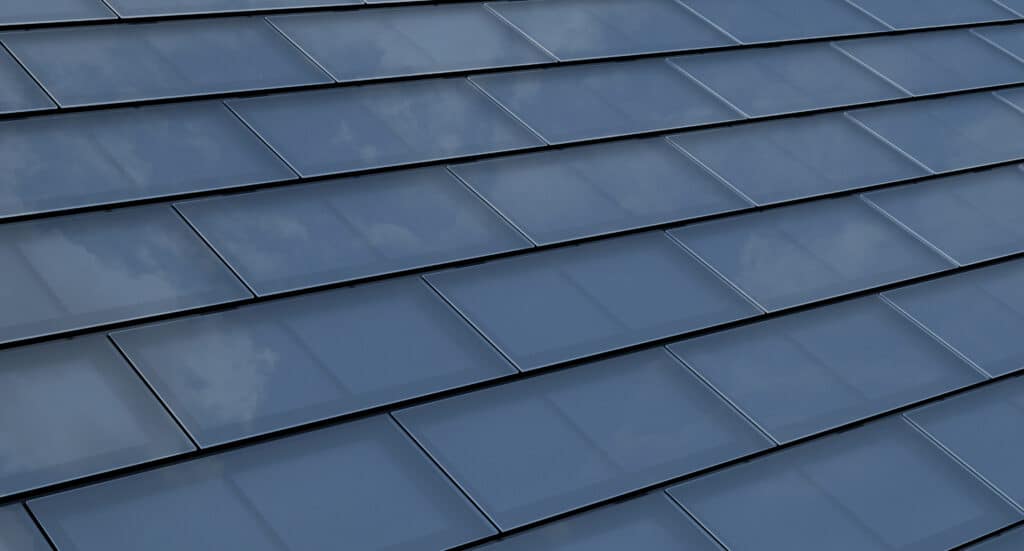
Modern homeowners are increasingly seeking ways to blend sustainability with curb appeal. As solar technology evolves, the integration of solar panels and shingles into residential rooftops has shifted from a purely functional upgrade to a design-forward choice. Solar roofing aesthetics now play a pivotal role in how people perceive and select solar solutions for their homes, balancing energy efficiency with architectural harmony.
Today’s solar roofs are designed to complement a wide range of home styles, from contemporary to traditional. This guide explores how advances in solar roofing have made it possible to enjoy both visual appeal and renewable energy benefits. For those considering a new roof or an upgrade, understanding the intersection of style and function is key to making an informed decision.
When planning a solar upgrade, it’s also important to consider the roof upgrade cost to ensure you’re investing wisely in both performance and appearance.
How Solar Roofs Have Evolved in Design
In the early days, solar panels were bulky, utilitarian, and often clashed with the look of traditional homes. The focus was almost entirely on energy production, with little attention paid to how these systems would look atop a house. However, as demand for renewable energy grew, so did the need for more visually appealing options. Manufacturers responded by developing sleeker, low-profile panels and innovative solar shingles that blend seamlessly with standard roofing materials.
Today’s solar roofing aesthetics are defined by:
- Low-profile solar shingles that mimic the look of asphalt or slate
- Frameless or all-black panel designs for a streamlined appearance
- Integrated systems that sit flush with the roofline
- Options to match or complement existing roof colors and textures
These improvements allow homeowners to enjoy renewable energy without sacrificing the visual integrity of their property.
Types of Visually Appealing Solar Roofing Solutions
There are several main types of solar roofing products that prioritize both function and appearance:
- Solar Shingles: These are designed to look like traditional roofing materials while generating electricity. They are installed in place of standard shingles, creating a uniform, attractive surface.
- Integrated Solar Panels: Unlike traditional rack-mounted panels, these systems are built into the roof structure itself, reducing visual bulk and improving weather resistance.
- All-Black Solar Modules: These panels use black frames and backing to minimize contrast and blend better with dark roofs.
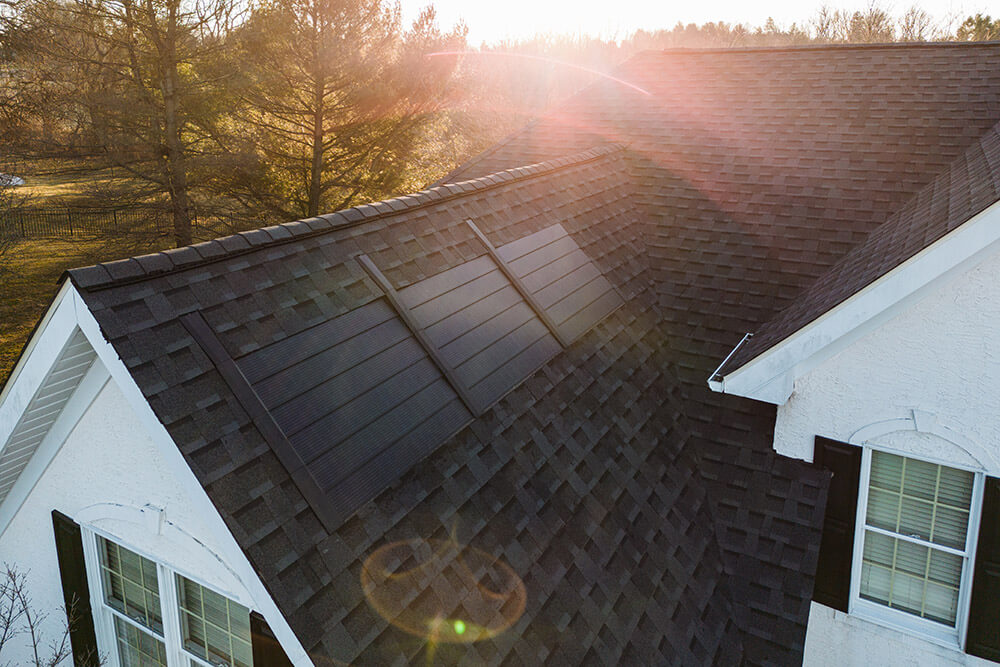
Choosing the right type depends on your home’s architecture, your energy needs, and your personal style preferences. For older homes, solar shingles may offer the best blend of tradition and technology, while modern builds might benefit from integrated or frameless panel systems.
Key Factors That Influence Solar Roof Appearance
Several elements determine how a solar roof will look once installed. Understanding these factors can help you select a solution that enhances your home’s visual appeal:
- Roof Pitch and Orientation: Steeper roofs can better conceal solar shingles, while low-slope roofs may require more visible panel arrays.
- Color Coordination: Many manufacturers now offer solar products in a range of colors or finishes to match common roofing materials.
- System Layout: The arrangement of panels or shingles affects the overall symmetry and balance of your roofline.
- Material Compatibility: Some solar products are designed specifically for use with asphalt, metal, or tile roofs, ensuring a more integrated look.
For those considering a full replacement, reviewing an asphalt roof replacement guide can provide insight into how solar solutions can be incorporated during a new installation.
Balancing Curb Appeal With Energy Performance
While aesthetics are important, the primary function of a solar roof is to generate clean energy. The best solutions strike a balance between visual harmony and optimal performance. Here are some tips for achieving both:
- Work with a qualified installer to design a system that maximizes sunlight exposure while maintaining an orderly appearance.
- Choose products from reputable brands known for both efficiency and design innovation.
- Consider the long-term value of a roof that not only saves on energy costs but also enhances property value through improved curb appeal.
It’s also helpful to read about common poor installation roofing issues to avoid mistakes that can detract from both the look and function of your solar investment.
Maintenance and Longevity: Keeping Your Solar Roof Looking Its Best
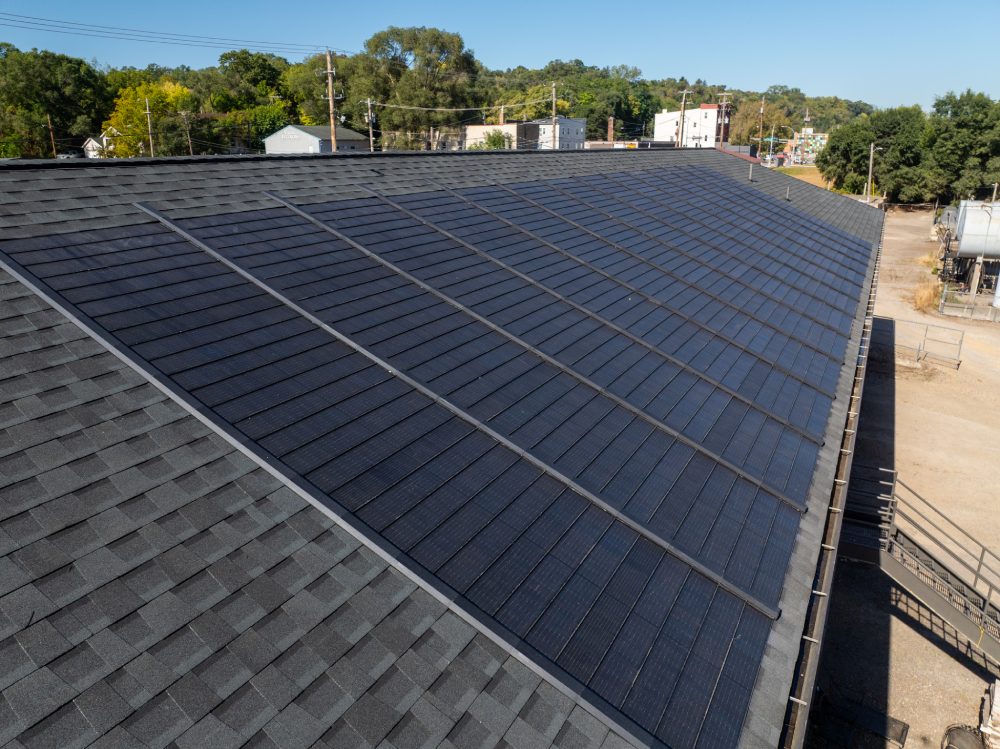
Maintaining the appearance of your solar roof is essential for both aesthetics and performance. Dust, debris, and organic buildup can reduce energy output and detract from the overall look. Regular cleaning with appropriate tools, such as a roof cleaning brush, helps preserve both the beauty and efficiency of your investment.
Quality solar roofing products are designed to last 25 years or more, with minimal fading or discoloration. Choosing durable materials and ensuring proper installation are crucial for long-term satisfaction. For those facing structural concerns, learning about roof sagging problems can help you address underlying issues before adding solar components.
Environmental and Social Impact of Stylish Solar Roofs
Beyond personal benefits, attractive solar roofs contribute to broader environmental and social goals. By making renewable energy visually appealing, these solutions encourage wider adoption and help normalize sustainable practices in residential neighborhoods. Research shows that homes with well-integrated solar systems can even inspire neighbors to consider similar upgrades, amplifying the positive impact on local energy use and emissions.
For more on the environmental benefits and public perception of solar roofing, see this peer-reviewed study on solar adoption and aesthetics.
Frequently Asked Questions
Are Solar Roofs Suitable for All Types of Homes?
Most homes can accommodate some form of solar roofing, but the best fit depends on roof shape, orientation, and structural integrity. Solar shingles are ideal for new builds or full replacements, while integrated panels can work well on many existing roofs. Consulting with a solar professional ensures you choose the right solution for your property.
How Do Solar Shingles Compare to Traditional Solar Panels?
Solar shingles are designed to blend in with standard roofing materials, offering a more subtle appearance than traditional panels. While they may have slightly lower efficiency, their seamless look makes them popular for homeowners prioritizing curb appeal. Traditional panels may still provide higher output for properties with large, unobstructed roof areas.
Will Installing a Solar Roof Increase My Home’s Value?
Studies indicate that homes with solar roofs often see an increase in resale value, especially when the system is well-integrated and visually appealing. Buyers are attracted to the combination of energy savings and enhanced aesthetics, making solar roofing a smart investment for many homeowners.
Conclusion
The evolution of solar roofing aesthetics has transformed how homeowners approach renewable energy upgrades. With a wide range of visually appealing options now available, it’s easier than ever to enjoy the benefits of solar power without compromising on style. By considering factors like system type, color, layout, and maintenance, you can select a solar roof that enhances your home’s beauty and value for years to come.