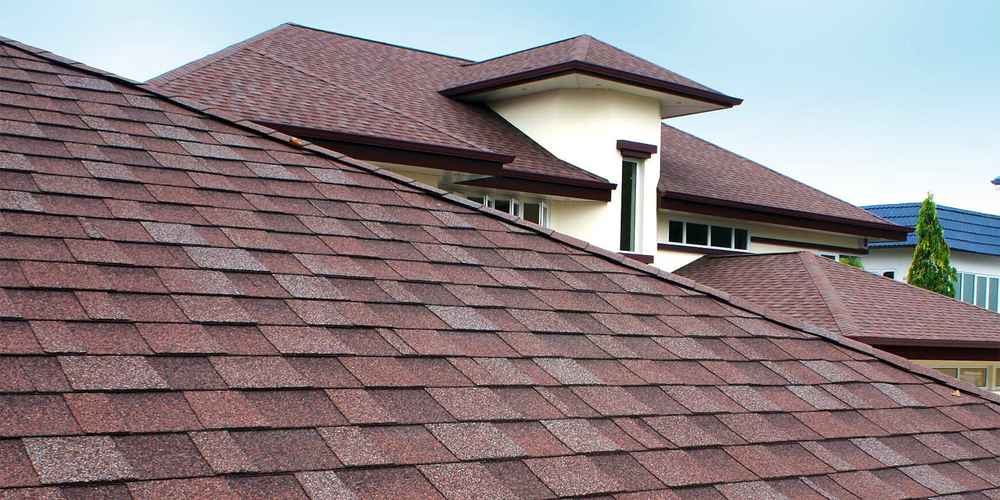
Knowing when to replace shingles is essential for protecting your home from leaks, energy loss, and costly structural damage. Many homeowners are unsure about the right moment to schedule a roof replacement, often waiting until visible issues appear. However, understanding the signs of shingle wear, the impact of weather, and the typical lifespan of roofing materials can help you plan your project before problems escalate.
This guide covers the most important indicators that your roof may need attention, how to assess the condition of your shingles, and how to time your replacement for the best results. If you’re considering a major upgrade, it’s also helpful to understand the roof upgrade cost so you can budget accordingly.
Key Signs It’s Time for a Shingle Replacement
Spotting the early warning signs of shingle failure can save you from unexpected leaks and water damage. Here are the most common indicators that your roof may be due for new shingles:
- Curling or Buckling Shingles: Shingles that curl at the edges or buckle in the middle are often past their prime and no longer provide adequate protection.
- Missing or Broken Shingles: Gaps in your roof covering expose the underlayment and decking to the elements, increasing the risk of leaks.
- Granule Loss: If you notice excessive granules in gutters or downspouts, your shingles are likely deteriorating and losing their weatherproofing ability.
- Visible Cracks or Splits: Cracked shingles can’t shed water properly, making your roof vulnerable to moisture intrusion.
- Algae, Moss, or Dark Streaks: While not always a structural issue, heavy growth or staining can signal trapped moisture and underlying problems.
For homes with older roofs, these symptoms often appear together. If you see more than one of these issues, it’s wise to consult a roofing professional for an inspection.
Understanding Shingle Lifespan and Material Differences
The expected service life of your roof depends on the type of shingles installed. Here’s a quick overview of common materials and their typical longevity:
| Shingle Type | Average Lifespan |
|---|---|
| 3-Tab Asphalt | 15–20 years |
| Architectural Asphalt | 20–30 years |
| Wood Shingles | 20–25 years |
| Metal Shingles | 30–50 years |
| Slate or Tile | 50+ years |
Most homes in North America use asphalt shingles, which are cost-effective but have a shorter lifespan compared to premium materials. If your roof is approaching the end of its expected service life, proactive replacement can prevent expensive repairs down the line. For more details on the installation process and planning, see the asphalt roof replacement guide.
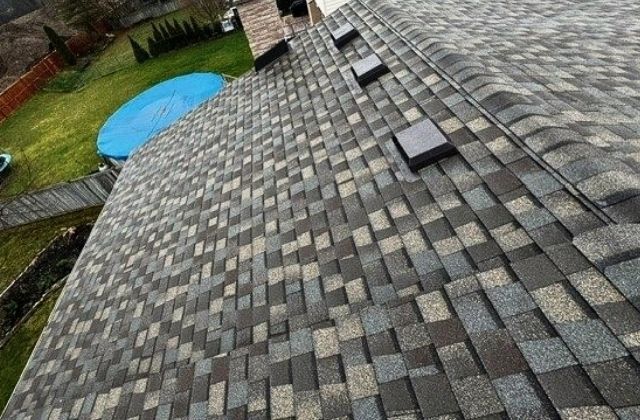
Seasonal Factors: Choosing the Right Time for Roof Work
Timing plays a crucial role in the success of your shingle replacement project. While emergency repairs can happen any time, scheduling a full replacement during optimal weather conditions ensures better results and fewer delays.
- Spring and Early Summer: Mild temperatures and lower humidity make these months ideal for roof work. Shingles seal properly and crews can work efficiently.
- Late Summer and Fall: Still a good window for replacement, but be mindful of increased demand and potential scheduling backlogs.
- Winter: Cold weather can make shingles brittle and harder to install. Only consider winter work for urgent repairs or in warmer climates.
Planning ahead and booking your project in advance can help you avoid the busiest times and secure the best pricing from contractors.
Assessing Roof Condition: DIY Checks and Professional Inspections
Regular roof inspections are key to catching problems early. Here’s how you can assess your shingles at home:
- Look for visible damage from the ground using binoculars—don’t climb onto the roof unless you’re experienced and have proper safety gear.
- Check your attic for signs of leaks, water stains, or daylight coming through the roof boards.
- After storms, inspect for missing shingles or debris buildup.
If you notice any issues, or if your roof is over 15 years old, schedule a professional inspection. Experts can spot subtle signs of wear, evaluate flashing and underlayment, and provide a detailed assessment. For homes with previous installation concerns, reviewing poor installation roofing issues can help you identify red flags.
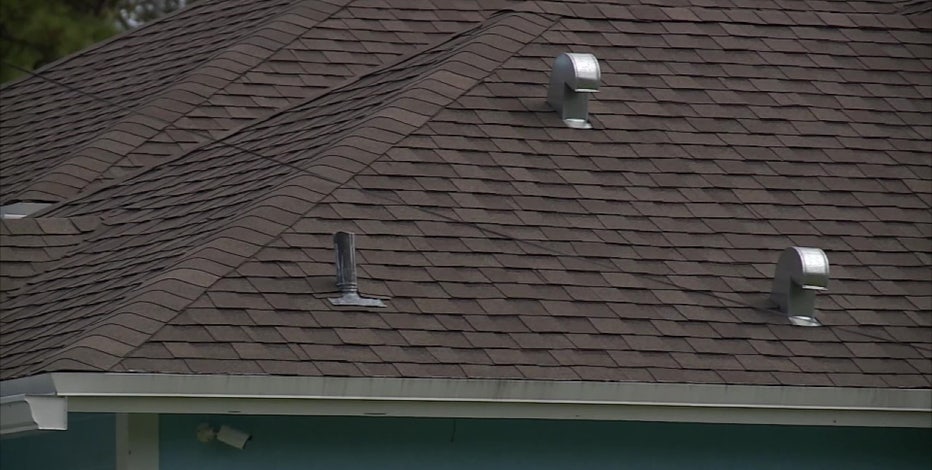
Cost Considerations and Planning for Replacement
Replacing your shingles is a significant investment, but delaying the project can lead to higher expenses from water damage or structural repairs. The total cost depends on several factors:
- Roof size and pitch
- Shingle material and quality
- Removal of old roofing
- Local labor rates
- Any required repairs to decking or underlayment
For a detailed breakdown of expenses, check out the roof upgrade cost article. Comparing quotes from multiple contractors and asking about warranties can help you make an informed decision and maximize your investment.
Common Questions About Shingle Replacement
How do I know if my shingles need to be replaced or just repaired?
If damage is limited to a small area—such as a few missing or cracked shingles—repairs may be sufficient. However, widespread curling, granule loss, or leaks throughout the roof usually mean a full replacement is necessary.
Can I install new shingles over old ones?
While it’s sometimes possible to layer new shingles over a single existing layer, this approach can hide underlying problems and may void warranties. Most professionals recommend a full tear-off for the best results. For a step-by-step overview, see the replacing old asphalt roof guide.
What are the risks of waiting too long to replace my shingles?
Delaying replacement can lead to leaks, mold growth, insulation damage, and even structural issues. Acting promptly when you spot warning signs helps protect your home and avoid more expensive repairs.
Choosing the Right Materials and Contractors
When planning your project, consider both the type of shingle and the reputation of your installer. Asphalt shingles remain the most popular choice due to their affordability and ease of installation. For more information on their composition and benefits, visit this comprehensive guide to asphalt shingle roofing.
Always request references, verify licenses and insurance, and review warranty terms before signing a contract. A reputable contractor will provide a clear estimate, explain your options, and ensure the job meets local building codes.
Final Thoughts on Planning Your Shingle Replacement
Being proactive about your roof’s condition can prevent headaches and protect your investment. By monitoring for signs of wear, understanding the lifespan of your materials, and scheduling work during favorable weather, you’ll ensure a smooth and successful project. If you’re concerned about structural integrity, the article on roof sagging problems offers helpful insights.
Remember, the best time to address roofing issues is before they become emergencies. Regular inspections and timely action are the keys to a safe, dry, and energy-efficient home.