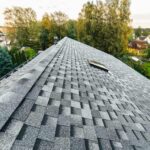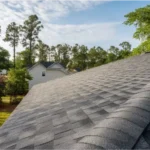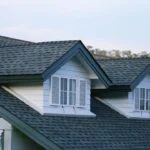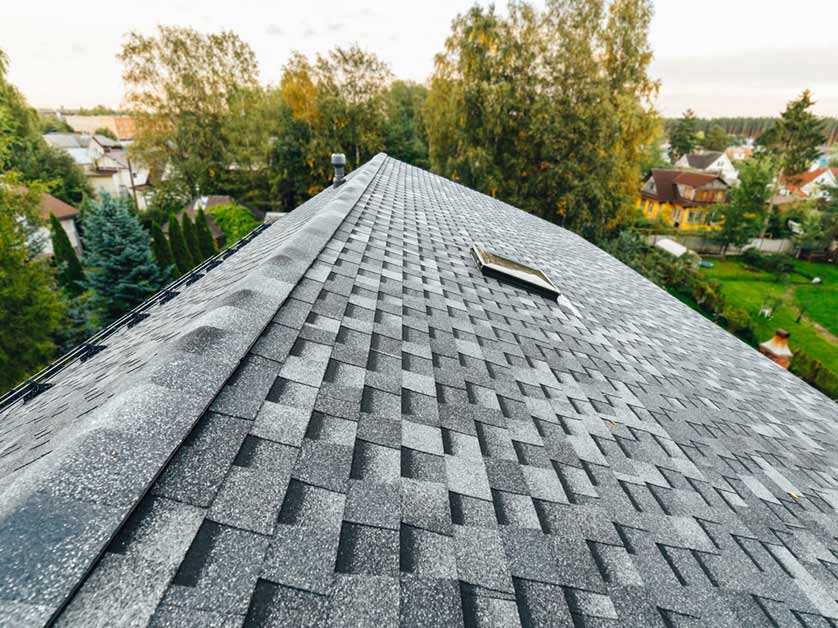
Managing the temperature inside your home starts from the top—literally. The color and type of shingles you choose can have a significant impact on how much heat your roof absorbs. Selecting the right materials and shades helps reduce roof heat absorption, keeping your living space cooler and potentially lowering your energy bills. This article explores how shingle colors influence roof temperature, the science behind heat absorption, and practical steps for homeowners looking to make smarter roofing choices.
Understanding which roofing options are most effective for minimizing heat can also extend the life of your roof and improve overall comfort. Before diving into specific color recommendations, it’s helpful to consider how different roofing materials and technologies contribute to energy efficiency. For a deeper look at advanced options, see our guide on reflective roofing materials and how they can further enhance your home’s performance.
How Shingle Colors Affect Roof Temperature
The color of your roof plays a crucial role in determining how much sunlight is absorbed or reflected. Darker shingles, such as black or deep gray, tend to absorb more solar energy, which can increase attic temperatures by up to 40 degrees Fahrenheit on hot days. In contrast, lighter hues like white, tan, or light gray reflect a greater portion of sunlight, helping to reduce roof heat absorption and keep your home cooler.
This phenomenon is known as the albedo effect. Surfaces with a high albedo reflect more sunlight, while those with a low albedo absorb more heat. By choosing shingles with higher reflectivity, you can make a noticeable difference in your home’s thermal performance.
Benefits of Choosing Lighter Shingle Colors
Opting for lighter-colored shingles offers several advantages beyond just temperature control. Here are some key benefits:
- Lower Cooling Costs: With less heat entering your attic, your air conditioning system doesn’t have to work as hard, potentially reducing energy bills.
- Extended Roof Lifespan: Excessive heat can accelerate the aging of roofing materials. Lighter shingles help preserve your roof by minimizing thermal stress.
- Improved Indoor Comfort: Rooms directly beneath the roof stay cooler, especially during peak summer months.
- Environmental Impact: Reducing energy consumption also means a smaller carbon footprint for your household.
For homeowners considering an upgrade, exploring cool roof shingles with built-in reflective technology can further enhance these benefits.
Types of Shingles and Their Heat Performance
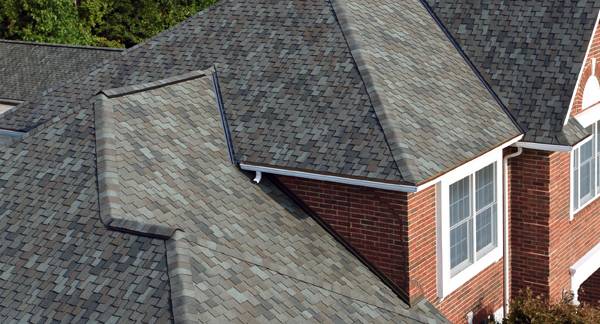
Not all shingles are created equal when it comes to managing heat. Here’s a quick overview of popular roofing materials and how they compare:
| Shingle Type | Heat Absorption | Reflectivity |
|---|---|---|
| Asphalt (Dark) | High | Low |
| Asphalt (Light) | Moderate | Moderate |
| Cool Roof Shingles | Low | High |
| Metal (Painted White) | Very Low | Very High |
Standard asphalt shingles are common, but their performance varies greatly depending on color. For a detailed explanation of how asphalt options stack up, see this comprehensive guide to asphalt shingle roofs.
Architectural shingles, which are thicker and more durable, can also be found in lighter shades and reflective finishes. If you’re considering an upgrade, our resource on upgrading roof shingles covers the pros and cons of moving from 3-tab to architectural styles.
Additional Strategies to Minimize Roof Heat
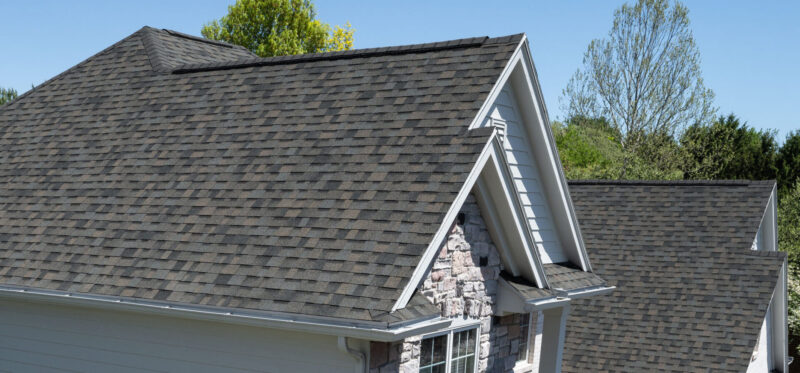
While shingle color is a major factor, several other strategies can help you further reduce roof heat absorption:
- Install Radiant Barriers: Adding a radiant barrier in your attic reflects heat away from your living space.
- Improve Attic Ventilation: Proper airflow prevents heat buildup and helps maintain a balanced roof temperature.
- Upgrade Insulation: High-quality insulation slows the transfer of heat into your home, boosting energy efficiency.
- Use Reflective Coatings: Specialized roof coatings can increase reflectivity and prolong the life of your shingles.
Combining these methods with the right shingle color maximizes your roof’s ability to stay cool. For a comprehensive breakdown of costs and benefits, check out our article on roof upgrade cost and how investing in high-performance shingles can pay off in the long run.
Planning Your Roof Replacement or Upgrade
If you’re considering a new roof or replacing old shingles, it’s important to weigh all your options. Start by assessing your climate, home orientation, and local building codes. In warmer regions, the benefits of light-colored or reflective shingles are especially pronounced. Consult with a roofing professional to determine which products are best suited for your needs and budget.
For step-by-step advice on planning your project, see our asphalt roof replacement guide. It covers everything from material selection to installation tips, ensuring your investment delivers lasting value.
Frequently Asked Questions
What shingle colors are best for hot climates?
Lighter shades such as white, light gray, beige, and pale blue are most effective for reflecting sunlight and minimizing heat absorption. These colors can help keep attic temperatures lower and improve overall energy efficiency.
Can I apply a reflective coating to existing shingles?
Yes, there are reflective roof coatings designed to be applied over existing shingles. These coatings can boost reflectivity and help reduce roof heat absorption, but it’s important to ensure compatibility with your current roofing material and follow manufacturer guidelines.
How much can the right shingle color lower my energy bills?
Switching to a lighter or more reflective shingle can reduce cooling costs by 10–20% in warm climates. The actual savings depend on factors like attic insulation, ventilation, and local weather conditions.
Are cool roof shingles worth the investment?
Cool roof shingles often cost more upfront but can deliver significant long-term savings through lower energy bills and extended roof lifespan. They are especially valuable in regions with high temperatures and strong sunlight.