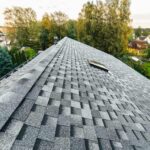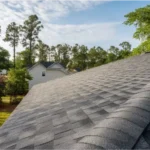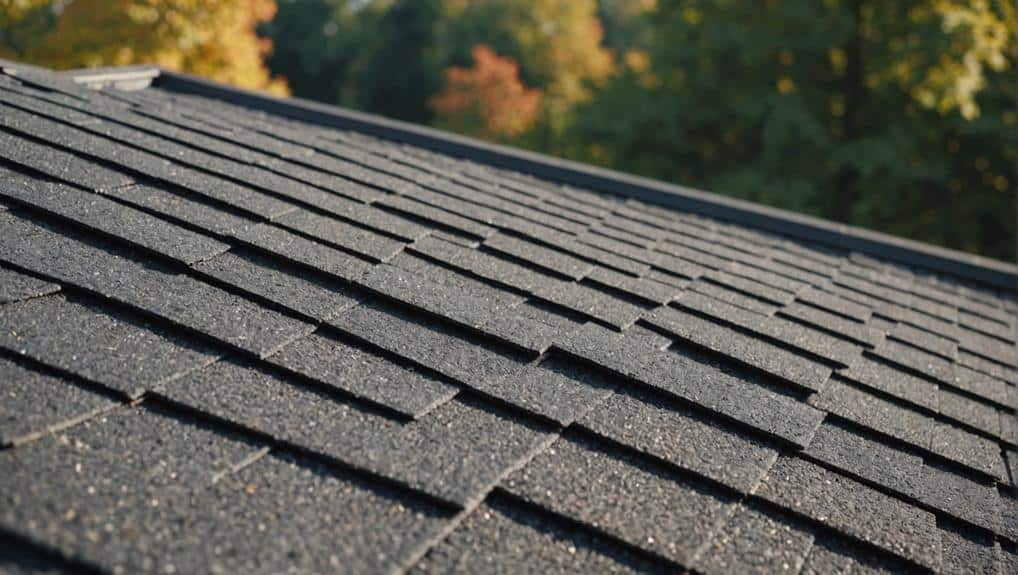
Proper care of your asphalt shingle roof is essential for protecting your home and maximizing the lifespan of your investment. This asphalt roof maintenance guide covers the most effective steps homeowners can take to prevent leaks, avoid costly repairs, and keep their roof looking its best year after year. Whether you’re new to homeownership or looking to refresh your maintenance routine, understanding the basics of asphalt shingle care will help you avoid common pitfalls and extend the life of your roof.
Routine inspections, timely cleaning, and prompt repairs are the foundation of a healthy roof. By following the recommendations in this article, you’ll be able to spot early warning signs, address minor issues before they escalate, and ensure your home stays protected from the elements. For those considering upgrades or replacements, learning about roof upgrade cost can also help you plan for future improvements.
Why Regular Asphalt Shingle Care Matters
Asphalt shingles are a popular roofing material due to their affordability, durability, and ease of installation. However, even the best shingles require ongoing attention to perform optimally. Neglecting routine upkeep can lead to premature aging, water infiltration, and structural damage. By following a consistent maintenance schedule, you can:
- Prevent leaks by catching small issues early
- Reduce the risk of mold and rot
- Maintain curb appeal and home value
- Extend the life of your roof by several years
Understanding the anatomy of your roofing system is also helpful. For a detailed breakdown of shingle layers and components, see this comprehensive overview of asphalt shingle roofing systems.
Key Steps in Asphalt Roof Maintenance
Consistent care is the best way to avoid major repairs. Here are the most important actions to include in your routine:
1. Inspect Your Roof Twice a Year
Spring and fall are ideal times for a thorough inspection. Look for:
- Missing, cracked, or curling shingles
- Granule loss (bald spots on shingles)
- Damaged or rusted flashing around chimneys and vents
- Debris accumulation in valleys and gutters
- Signs of moss, algae, or lichen growth
If you notice any of these issues, address them promptly to prevent further damage. For more on what to look for during inspections, review our guide on poor installation roofing issues.
2. Clean Off Debris and Moss
Leaves, twigs, and organic matter can trap moisture and accelerate shingle deterioration. Moss and algae not only look unsightly but can also lift shingles and allow water to seep underneath. Use a soft-bristle broom or leaf blower to remove debris, and consider a gentle roof cleaning solution for moss removal.
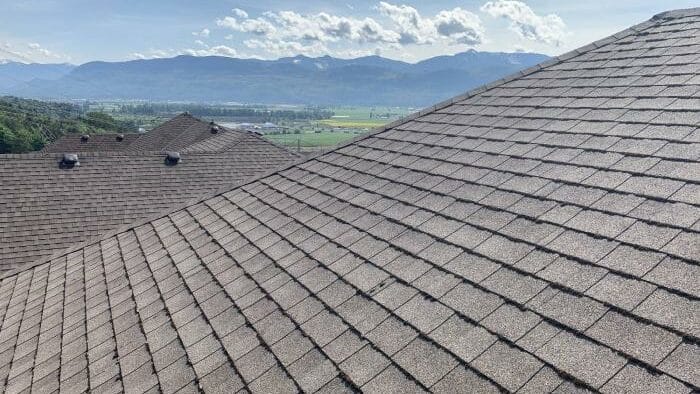
Never use a pressure washer, as it can dislodge granules and damage shingles. If moss is persistent, zinc or copper strips installed near the ridge can help inhibit future growth.
3. Keep Gutters and Downspouts Clear
Clogged gutters can cause water to back up under the shingles, leading to leaks and rot. Clean gutters at least twice a year and check that downspouts direct water away from your foundation. Installing gutter guards can reduce the frequency of cleaning and protect your roof from water damage.
4. Address Minor Repairs Quickly
Small issues can quickly escalate if left unattended. Replace missing or damaged shingles as soon as possible. Use a quality roof sealant to fix minor cracks or seal exposed nail heads. For step-by-step instructions on replacing shingles, see our guide to replacing old asphalt roof.
5. Check Attic Ventilation and Insulation
Proper attic ventilation helps regulate temperature and moisture, reducing the risk of ice dams and mold. Inspect vents for blockages and ensure your attic is well insulated. This not only protects your roof but also improves energy efficiency throughout your home.
Common Problems and How to Prevent Them
Even with regular care, certain issues can arise. Here are some of the most frequent problems homeowners encounter and how to avoid them:
- Granule loss: Often caused by age or impact. Avoid walking on your roof and trim overhanging branches to minimize abrasion.
- Blistering: Can result from poor ventilation or trapped moisture. Ensure attic airflow is adequate and address leaks promptly.
- Algae streaks: These dark stains are common in humid climates. Install algae-resistant shingles or use cleaning solutions designed for asphalt roofs.
- Ice dams: Form when snow melts and refreezes at the eaves. Improve attic insulation and ventilation to prevent uneven roof temperatures.
For structural concerns such as sagging, review our resource on roof sagging problems to determine if professional intervention is needed.
When to Call a Professional
While many maintenance tasks can be handled by homeowners, certain situations require expert attention. Contact a licensed roofer if you notice:
- Widespread shingle damage or granule loss
- Persistent leaks or water stains on ceilings
- Visible sagging or structural concerns
- Storm damage from hail or falling branches
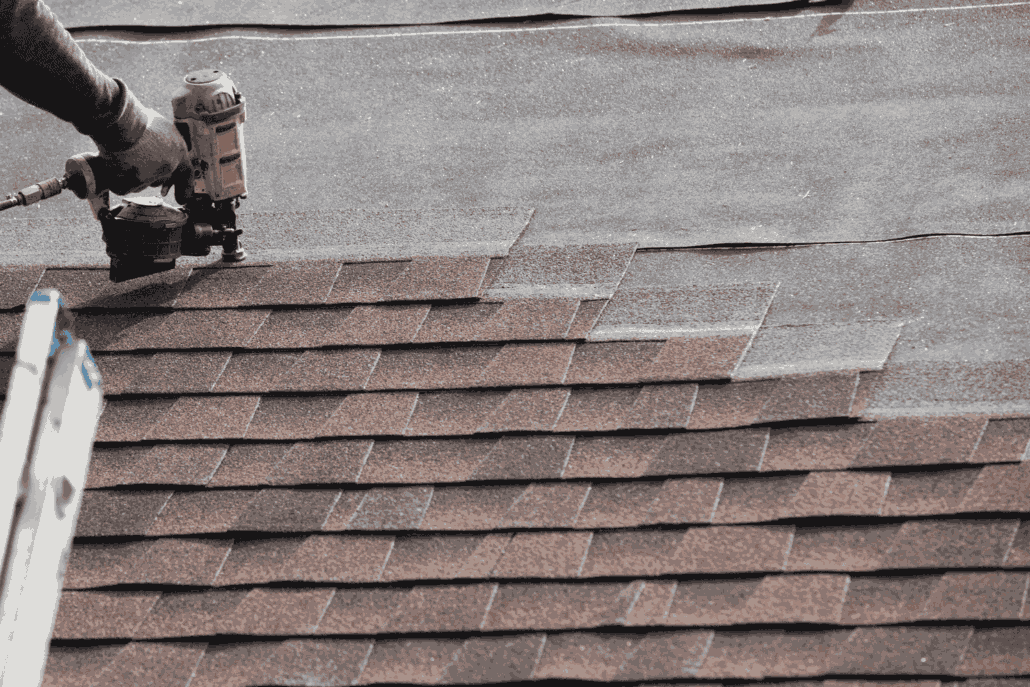
Professional inspections are also recommended every few years, especially as your roof ages. If you’re considering a full replacement, our asphalt roof replacement guide can help you plan the process and select the right materials.
Extending the Life of Your Asphalt Shingles
With diligent care, asphalt shingle roofs can last 20–30 years or more. Here are some advanced tips to further increase longevity:
- Trim tree branches to prevent abrasion and reduce debris
- Install attic fans to improve ventilation in hot climates
- Apply a reflective roof coating to reduce heat absorption
- Schedule professional inspections after severe weather events
Staying proactive with your maintenance routine not only saves money but also ensures your home remains safe and comfortable. If you’re planning major upgrades, understanding the roof upgrade cost can help you make informed decisions about materials and timing.
FAQ: Asphalt Shingle Roof Care
How often should I inspect my asphalt shingle roof?
It’s best to inspect your roof at least twice a year, ideally in the spring and fall. Additional inspections are recommended after major storms or if you notice signs of damage inside your home.
What is the safest way to remove moss from my roof?
Use a soft-bristle broom or a gentle cleaning solution designed for asphalt shingles. Avoid pressure washers, as they can damage the shingle surface. For persistent moss, zinc or copper strips can help prevent regrowth.
When should I consider replacing my asphalt roof?
If your roof is over 20 years old, has widespread shingle damage, or you’re experiencing frequent leaks, it may be time to consider a full replacement. For guidance on the process, see our asphalt roof replacement guide.
Can I repair minor shingle damage myself?
Yes, many small repairs such as replacing a few shingles or sealing minor cracks can be handled by homeowners with basic tools. Always follow manufacturer guidelines and use compatible materials for best results.
How do I know if my attic ventilation is adequate?
Signs of poor ventilation include excessive heat in the attic, condensation, or mold growth. Ensure vents are unobstructed and consider consulting a professional if you suspect ventilation issues.
By following the steps in this asphalt roof maintenance guide, you’ll protect your home, save money on repairs, and enjoy peace of mind knowing your roof is in excellent condition for years to come.