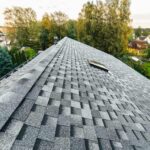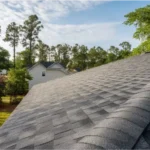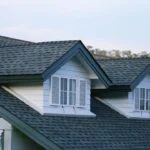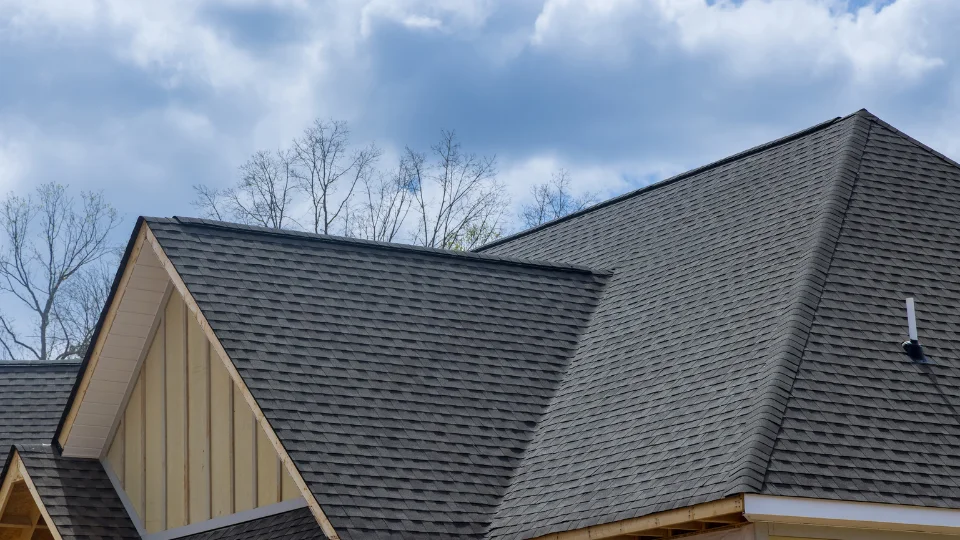
As summers become hotter and energy costs rise, more homeowners are searching for ways to keep their homes comfortable and efficient. One of the most effective strategies is upgrading to heat resistant roof shingles. These advanced roofing products are designed to reflect more sunlight and absorb less heat, helping to maintain a cooler attic and reduce the strain on your air conditioning system.
Understanding how these shingles work, what options are available, and how they compare to standard roofing materials can help you make an informed decision for your next roof replacement or upgrade. For those interested in maximizing energy efficiency, exploring reflective roofing materials is also a smart move, as these technologies often overlap with heat-resistant solutions.
How Heat-Blocking Shingles Work
Traditional asphalt shingles can absorb a significant amount of solar energy, causing attic temperatures to soar. In contrast, heat resistant roof shingles use special materials and coatings to reflect more of the sun’s rays. This process, known as solar reflectance, is key to keeping your attic cooler and your home more comfortable.
Some of the most effective shingles feature high-albedo surfaces, which bounce sunlight away instead of absorbing it. Others incorporate advanced granules or pigments that dissipate heat more efficiently. The result is a roofing system that not only lasts longer but also helps lower your cooling bills.
Types of Heat-Reflective Roofing Shingles
There are several categories of shingles designed for better thermal performance. Here are the most common types:
- Cool Roof Shingles: These are engineered specifically to reflect more sunlight and meet ENERGY STAR® or Cool Roof Rating Council standards. Many manufacturers offer a range of colors and styles that qualify as cool roofing.
- Reflective Asphalt Shingles: Asphalt remains a popular choice, but new formulations include reflective granules or light-colored surfaces to reduce heat absorption. For more details on these options, see our guide to cool roof shingles.
- Metal Shingles: Metal roofing naturally reflects sunlight and can be coated with additional reflective finishes for even greater performance.
- Clay and Concrete Tiles: These materials have inherent thermal mass and are often available in light colors, making them suitable for hot climates.
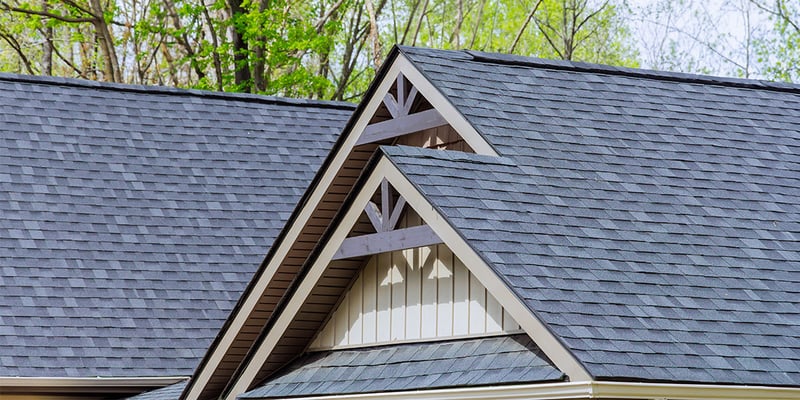
Benefits of Installing Heat Resistant Roofing
Upgrading to heat resistant roof shingles offers several advantages beyond just a cooler attic:
- Lower Energy Bills: By reflecting more sunlight, these shingles reduce the amount of heat entering your home, which means your air conditioner doesn’t have to work as hard.
- Enhanced Roof Longevity: Excessive heat can accelerate the aging of roofing materials. Heat-reflective shingles maintain their integrity longer, reducing the frequency of replacements.
- Improved Indoor Comfort: A cooler attic translates to more stable indoor temperatures, especially in upper floors and rooms directly beneath the roof.
- Environmental Impact: Lower energy consumption means a smaller carbon footprint, making these shingles a sustainable choice for eco-conscious homeowners.
For those considering a full upgrade, it’s helpful to review the roof upgrade cost to understand the investment involved in switching to high-performance materials.
Comparing Heat-Blocking Shingles to Standard Options
While traditional asphalt shingles are affordable and widely available, they often fall short in hot climates due to their tendency to absorb and retain heat. In contrast, shingles designed for thermal resistance offer:
- Higher Solar Reflectance: Specialized granules or coatings increase the amount of sunlight reflected away from the roof.
- Better Emissivity: Some products are engineered to release absorbed heat more quickly, further reducing attic temperatures.
- Color Choices: Modern manufacturing allows for a variety of colors, including darker shades that still meet cool roof standards.
For a deeper dive into how asphalt shingles are made and why their composition matters, check out this comprehensive guide to asphalt shingle materials.
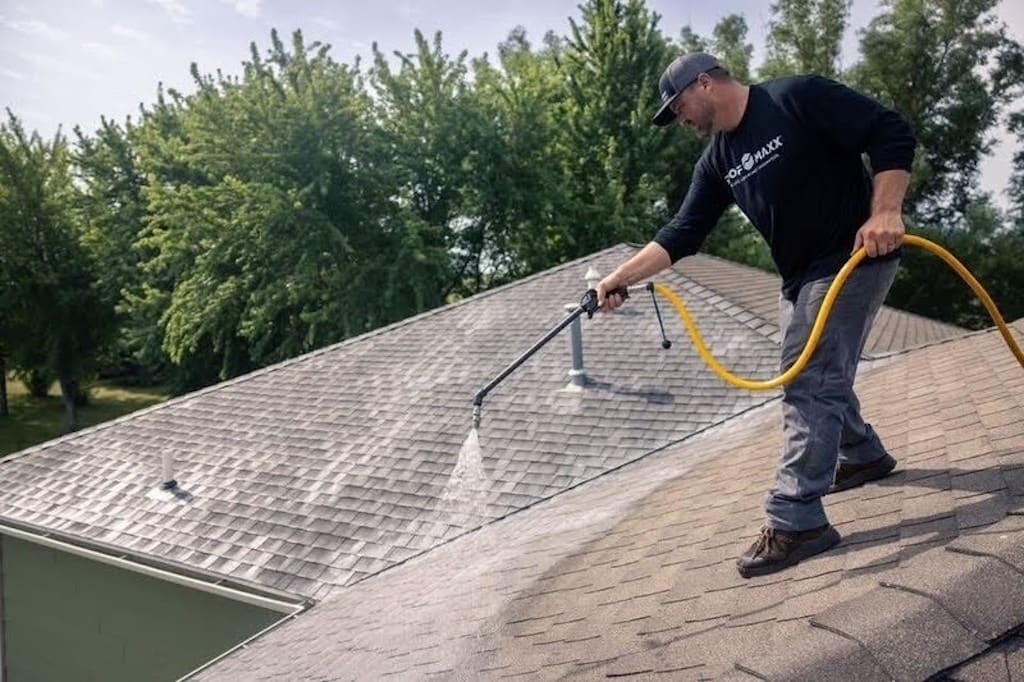
Installation Tips and Considerations
Choosing the right heat resistant roof shingles is only part of the equation. Proper installation is critical to achieving the best results. Here are a few tips:
- Work with Certified Installers: Many manufacturers require certified contractors for warranty coverage on cool roofing products.
- Ensure Proper Ventilation: Even the most advanced shingles need adequate attic ventilation to perform optimally and prevent moisture buildup.
- Check Local Codes: Some regions offer incentives or rebates for installing energy-efficient roofing. Always verify local building codes and available programs.
- Upgrade Underlayment: Consider pairing your new shingles with a reflective or insulating underlayment for maximum heat reduction.
If you’re replacing an older roof, our asphalt roof replacement guide offers step-by-step advice for planning your installation and making the most of your investment.
Maintenance and Longevity of Heat-Reflective Shingles
One of the major advantages of these advanced shingles is their durability. By reducing thermal cycling (the expansion and contraction caused by temperature swings), they help prevent cracking, curling, and premature aging. However, regular maintenance is still important:
- Inspect your roof annually for damage or debris buildup.
- Keep gutters clean to prevent water backup and shingle deterioration.
- Address minor repairs promptly to avoid larger issues down the road.
- Use compatible sealants and repair materials to maintain the reflective properties of your shingles.
For those considering an upgrade from basic 3-tab shingles, see our resource on upgrading roof shingles for more information on architectural and performance-oriented options.
Frequently Asked Questions
What are the main benefits of heat-reflective shingles?
These shingles help lower attic temperatures, reduce cooling costs, extend the life of your roof, and improve overall comfort in your home. They also contribute to a smaller environmental footprint by lowering energy consumption.
Are cool roof shingles available in different colors?
Yes, modern manufacturing techniques allow for a wide range of colors, including darker shades that still meet cool roofing standards. Always check product specifications to ensure your chosen color offers the desired level of reflectivity.
How do I know if my home would benefit from heat-resistant roofing?
If you live in a region with hot summers, have high cooling bills, or notice your attic gets excessively warm, upgrading to heat-reflective shingles can provide significant benefits. Homes with poor attic ventilation or older, dark-colored roofs are especially good candidates.
Do these shingles cost more than standard options?
While the initial investment may be slightly higher, the long-term savings on energy bills and reduced maintenance often offset the upfront cost. Additionally, some areas offer rebates or incentives for installing energy-efficient roofing.
Choosing the right roofing materials can have a lasting impact on your home’s comfort, efficiency, and value. By understanding the options and benefits of heat resistant roof shingles, you can make a smart investment that pays off for years to come.