Solar roofing is transforming the way homeowners generate and use energy. Instead of relying solely on traditional power sources, modern roofs can now capture sunlight and convert it into electricity right where you live. If you’re new to this technology, understanding how solar roofing works can help you make informed decisions about upgrading your home, saving on energy bills, and reducing your environmental impact.
This guide breaks down the essential components, the installation process, and the benefits of solar-integrated roofing systems. Whether you’re considering a full roof replacement or simply curious about the technology, you’ll find practical information to help you get started. For those weighing the costs of upgrading, it’s helpful to compare with resources like roof upgrade cost to see how solar options fit into your budget.
What Is Solar Roofing?
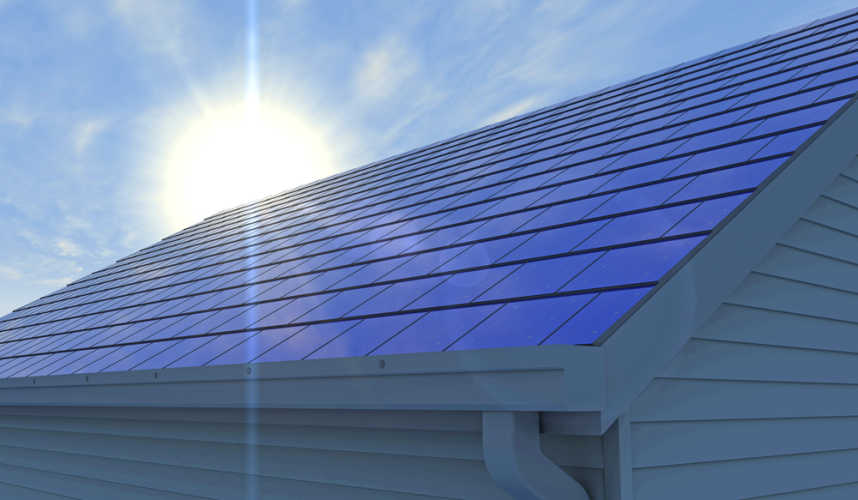
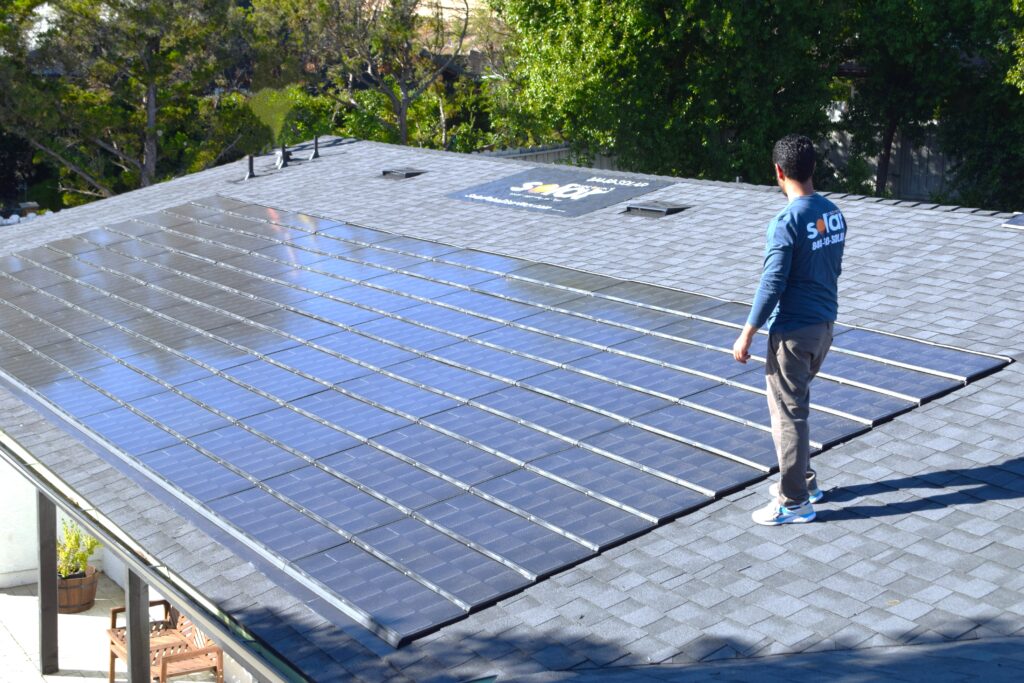
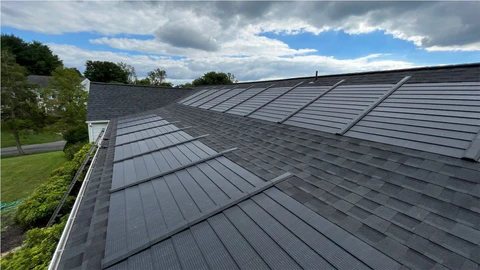
Solar roofing refers to a roofing system that incorporates photovoltaic (PV) technology directly into the roof structure. Unlike traditional solar panels that are mounted on top of existing shingles, solar roofs use materials such as solar shingles or tiles that serve both as a weatherproof barrier and as energy generators. This integration creates a seamless appearance and can enhance the overall value and efficiency of your home.
There are two main types of solar roofing:
- Solar shingles or tiles – These look similar to regular roofing materials but have built-in solar cells.
- Solar panels – Mounted on top of existing roofs, these are the more familiar option but not as visually integrated.
How Photovoltaic Roofing Systems Generate Power
At the core of any solar roof is the photovoltaic effect. Here’s a simplified breakdown of how solar roofing works to generate electricity:
- Sunlight hits the solar cells embedded in the shingles or panels.
- The cells, made from semiconductor materials like silicon, absorb photons from the sunlight.
- This energy knocks electrons loose within the material, creating a flow of electricity (direct current, or DC).
- An inverter converts the DC into alternating current (AC), which is the type of electricity used in your home.
- The AC power is then fed into your home’s electrical system, powering appliances and lighting.
- Any excess electricity can be stored in batteries or sent back to the grid, depending on your setup.
This process is silent, requires minimal maintenance, and operates as long as there’s daylight.
Key Components of a Solar Roof System
Understanding the main parts of a solar-integrated roof will help you see how the system functions as a whole:
- Solar shingles or tiles: These replace or overlay traditional roofing materials and contain photovoltaic cells.
- Inverter: Converts DC electricity from the solar cells into usable AC power for your home.
- Mounting hardware: Secures the solar elements to your roof, ensuring they stay in place and are weatherproof.
- Electrical panel: Distributes the generated electricity throughout your home.
- Battery storage (optional): Stores excess energy for use at night or during power outages.
- Monitoring system: Tracks energy production and usage, often accessible via a smartphone app.
Proper installation is crucial for both performance and longevity. Issues like poor installation roofing issues can impact not only your energy savings but also the integrity of your roof.
Installation Process: What to Expect
Installing a solar roof involves several steps, each designed to ensure optimal performance and safety:
- Site assessment: A professional evaluates your roof’s condition, orientation, and shading to determine suitability.
- Design and permitting: The system is custom-designed for your home, and necessary permits are obtained from local authorities.
- Removal of old roofing (if needed): For full replacements, old shingles or tiles are removed.
- Installation of solar components: Solar shingles or tiles are installed, along with wiring and inverters.
- Connection to electrical system: The system is linked to your home’s panel and, if applicable, the utility grid.
- Inspection and activation: Final inspections ensure everything meets code, and the system is turned on.
The process can take anywhere from a few days to a couple of weeks, depending on the complexity and size of your roof.
Benefits of Integrated Solar Roofs
Choosing a solar-integrated roof offers several advantages beyond just energy savings:
- Reduced energy bills: Generate your own electricity and rely less on the grid.
- Increased property value: Homes with solar features often appraise higher and attract eco-conscious buyers.
- Modern aesthetics: Solar shingles and tiles blend in with your roof, unlike bulky panels.
- Durability: Many solar roofing products are built to withstand harsh weather and last for decades.
- Environmental impact: Lower your carbon footprint by using renewable energy.
For a deeper dive into the advantages, check out this comprehensive look at the benefits of solar roof tiles.
Maintenance and Longevity
Solar roofs are designed to be low-maintenance. Most systems require only occasional cleaning to remove debris and ensure maximum sunlight exposure. Using tools like a roof cleaning brush can help keep your panels or shingles performing efficiently. It’s also wise to schedule periodic inspections to catch any issues early, especially after severe weather.
Most solar roofing products come with warranties ranging from 20 to 30 years, covering both power output and physical durability. Regular care can help your system last even longer, providing reliable energy for decades.
Is Solar Roofing Right for Your Home?
Not every roof is ideal for solar integration. Factors to consider include:
- Roof orientation and pitch: South-facing roofs with a moderate slope capture the most sunlight.
- Shading: Trees, chimneys, or nearby buildings can reduce efficiency.
- Roof age and condition: If your roof is nearing the end of its lifespan, consider replacing it before installing solar components. Resources like an asphalt roof replacement guide can help you plan ahead.
- Local regulations and incentives: Some areas offer rebates, tax credits, or net metering programs to offset installation costs.
Consulting with a qualified solar installer is the best way to assess your home’s suitability and get a customized quote.
Frequently Asked Questions
How long does a solar roof last?
Most solar roofing systems are built to last 25 to 30 years, with many manufacturers offering warranties that cover both power output and materials for this period. Regular maintenance can extend their lifespan even further.
Can solar roofing be installed on any type of roof?
Solar shingles and tiles work best on roofs with good sun exposure and minimal shading. While they can be installed on many roof types, some older or heavily shaded roofs may require upgrades or tree trimming for optimal performance.
What happens if my solar roof produces more electricity than I use?
If your system generates excess power, it can be stored in batteries for later use or sent back to the grid, depending on your setup and local utility policies. Many areas offer net metering, which credits you for the extra energy supplied to the grid.
Understanding how solar roofing works empowers homeowners to make smart choices about energy, sustainability, and home value. With the right planning and professional installation, a solar-integrated roof can provide decades of clean, reliable power while enhancing your property’s appeal.