For many homeowners, upgrading roof shingles is a practical way to boost curb appeal, improve weather resistance, and increase property value. If your home currently has 3-tab shingles, you may be considering a switch to architectural shingles for their enhanced durability and visual depth. This article explores the key differences, benefits, and considerations involved in making this transition, helping you make an informed decision for your next roofing project.
Before you start planning, it’s helpful to understand the basics of both shingle types, the installation process, and what to expect in terms of cost and longevity. If you’re budgeting for a new roof, you may want to review resources like the roof upgrade cost guide for a detailed breakdown of expenses.
Understanding the Difference: 3-Tab vs. Architectural Shingles
Both 3-tab and architectural shingles are types of asphalt shingles, but they differ significantly in construction and performance. Here’s a closer look at what sets them apart:
- 3-Tab Shingles: These are flat, single-layered shingles with a uniform appearance. They are lightweight, cost-effective, and have been the standard for decades. However, their thinner profile makes them less durable in harsh weather.
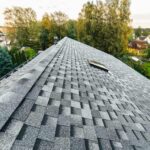
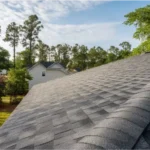
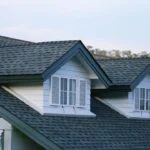
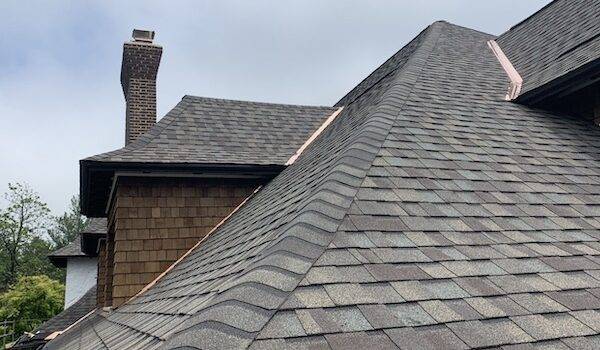
- Architectural Shingles: Also called dimensional or laminate shingles, these have multiple layers fused together. The result is a thicker, more textured look that mimics wood shakes or slate. They offer improved wind and impact resistance, as well as a longer lifespan.
When upgrading roof shingles from 3-tab to architectural, you’re not just enhancing aesthetics—you’re investing in better protection for your home.
Why Homeowners Choose to Upgrade Their Roof Shingles
The decision to replace 3-tab shingles with architectural ones is often driven by several factors:
- Longevity: Architectural shingles typically last 25–30 years or more, compared to 15–20 years for 3-tab varieties.
- Weather Resistance: The multi-layered design provides better resistance to wind, hail, and heavy rain.
- Visual Appeal: The dimensional look adds depth and character to your roof, which can increase your home’s resale value.
- Warranty Improvements: Many manufacturers offer longer or more comprehensive warranties on architectural products.
For those dealing with issues like leaks or sagging, an upgrade can also address underlying problems. If you suspect structural concerns, see the roof sagging problems guide for more details.
Key Steps in the Roof Shingle Upgrade Process
Switching from 3-tab to architectural shingles involves more than just swapping materials. Here’s what the typical process looks like:
- Inspection and Assessment: A professional will check the current roof for damage, rot, or ventilation issues.
- Removal of Old Shingles: The existing 3-tab shingles are stripped down to the decking. This is often called a full tear-off. For a detailed walkthrough, refer to the replacing old asphalt roof article.
- Deck Repair: Any damaged wood or underlayment is replaced to ensure a solid foundation.
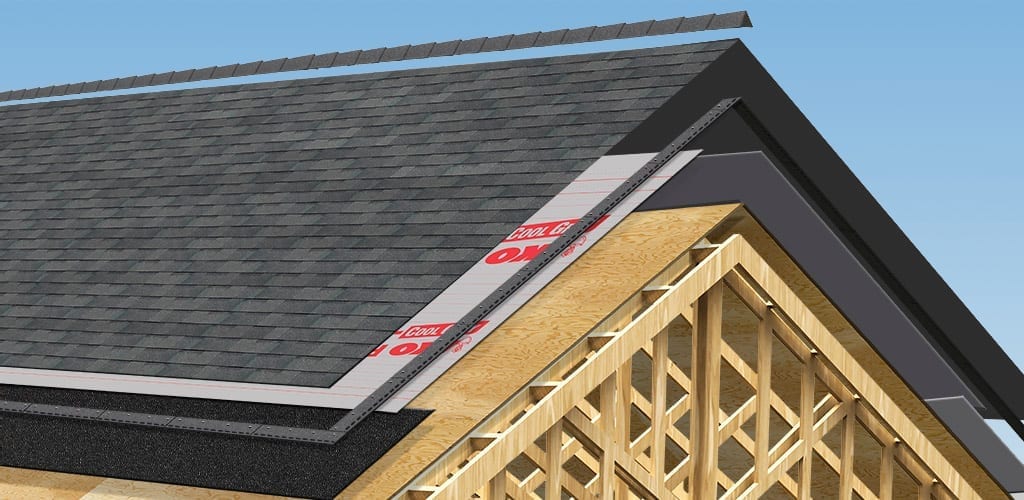
- Installation of New Underlayment: A water-resistant barrier is installed to protect against leaks.
- Laying Architectural Shingles: The new shingles are installed according to manufacturer guidelines, often with upgraded fasteners or sealants for added security.
- Final Inspection: The finished roof is checked for proper installation, flashing, and ventilation.
Proper installation is crucial for maximizing the benefits of your new shingles. Poor workmanship can lead to issues down the line, so it’s wise to review tips on poor installation roofing issues before hiring a contractor.
Cost Considerations When Replacing Roof Shingles
One of the most common questions about upgrading roof shingles is the price difference. While architectural shingles cost more per bundle than 3-tab, the total investment pays off in durability and reduced maintenance. Here are some factors that influence the final bill:
- Material Costs: Architectural shingles can be 20–50% more expensive than 3-tab options.
- Labor: Removal of old shingles and installation of heavier materials may increase labor charges.
- Roof Complexity: Steep pitches, multiple valleys, or intricate designs can add to the cost.
- Disposal Fees: Removing old shingles generates waste that must be hauled away.
For a comprehensive look at budgeting, the asphalt roof replacement guide offers step-by-step planning advice.
Benefits of Architectural Shingles for Modern Homes
Architectural shingles are increasingly popular among homeowners seeking a balance of style and performance. Some of the standout advantages include:
- Enhanced Durability: Their thicker, layered construction stands up better to wind and impact.
- Improved Energy Efficiency: Some products offer reflective coatings that help reduce attic heat.
- Greater Design Variety: Available in a wide range of colors and patterns to match any exterior.
- Lower Maintenance: Fewer repairs are needed over the lifespan of the roof.
These benefits make architectural shingles a smart choice for those planning to stay in their home long-term or looking to maximize resale value.
Common Mistakes to Avoid During Your Roof Upgrade
While the advantages are clear, there are some pitfalls to watch out for when upgrading:
- Skipping a Full Tear-Off: Layering new shingles over old ones can trap moisture and void warranties.
- Ignoring Ventilation: Proper airflow is essential to prevent heat buildup and extend shingle life.
- Choosing the Cheapest Contractor: Quality installation matters more than saving a few dollars upfront.
- Neglecting Flashing and Seals: These details prevent leaks and should never be overlooked.
By planning carefully and working with experienced professionals, you can avoid these common errors and enjoy the full benefits of your new roof.
FAQ: Answers to Common Questions About Roof Shingle Upgrades
How long does it take to replace 3-tab shingles with architectural ones?
The timeline depends on the size and complexity of your roof, but most residential projects take 2–5 days from start to finish, including tear-off, repairs, and installation.
Can I install architectural shingles over existing 3-tab shingles?
While some building codes allow a second layer, it’s generally best to remove old shingles first. This ensures a flat surface, prevents hidden damage, and helps your new shingles last longer.
Are architectural shingles worth the extra cost?
For most homeowners, the added durability, improved appearance, and longer warranty make architectural shingles a worthwhile investment, especially in areas prone to severe weather.
Do architectural shingles require special maintenance?
Maintenance is similar to 3-tab shingles: keep gutters clean, inspect for damage after storms, and address minor repairs promptly. Their thicker design often means fewer repairs over time.
Upgrading your roof is a significant investment, but with the right information and careful planning, you can enjoy a beautiful, long-lasting result that protects your home for decades. If you’re ready to start your project, consider reviewing related resources and consulting with a trusted roofing professional for tailored advice.