Flat roofs present unique opportunities and challenges when it comes to installing solar roofing systems. As more homeowners and building managers look for sustainable energy solutions, understanding the nuances of solar roofing on flat roofs becomes essential. This article offers practical insights into system types, installation factors, and maintenance tips, helping you make informed decisions about harnessing solar energy on flat-roofed structures.
Whether you’re considering a new installation or upgrading an existing roof, it’s important to weigh the benefits and requirements of solar panels or integrated solar shingles. For those planning a broader renovation, reviewing the roof upgrade cost can help you budget for both roofing and solar investments together.
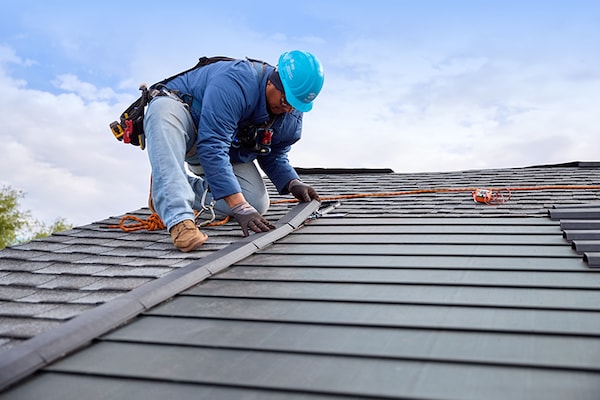
Understanding Solar Options for Flat Roofs
Unlike pitched roofs, flat rooftops require specialized mounting systems to optimize the angle of solar panels. There are two main approaches for solar installations on flat roofs:
- Ballasted Racking Systems: These systems use weight (often concrete blocks) to secure panels without penetrating the roof membrane. They’re ideal for flat surfaces and minimize the risk of leaks.
- Penetrative Mounts: In some cases, mounts are anchored directly to the roof structure for added stability, especially in high-wind areas. Proper waterproofing is essential to prevent future issues.
Solar shingles and membrane-integrated panels are also emerging as alternatives, blending seamlessly with the roofing material. Choosing the right system depends on your roof’s load capacity, climate, and long-term energy goals.
Benefits of Installing Solar on Flat Roofs
Flat roofs offer several advantages for solar installations:
- Optimal Panel Orientation: Installers can adjust the tilt and direction of panels for maximum sunlight exposure, regardless of the building’s orientation.
- Ease of Access: Maintenance and cleaning are simpler on flat surfaces, allowing for safer and more efficient upkeep.
- Space Utilization: Flat roofs often have unused space, making them ideal for larger solar arrays that can generate more electricity.
When considering a solar upgrade, it’s also wise to assess the condition of your existing roof. If you’re dealing with replacing old asphalt roof scenarios or planning a full tear-off, synchronizing roofing and solar projects can save time and money.

Key Considerations Before Installation
Before moving forward with a solar project on a flat roof, several factors should be evaluated:
- Roof Age and Condition: Solar panels typically last 25 years or more. If your roof is nearing the end of its lifespan, consider replacing it first. For guidance, refer to the asphalt roof replacement guide.
- Structural Load: Flat roofs must support the additional weight of solar equipment and mounting systems. A structural assessment ensures safety and code compliance.
- Water Drainage: Proper drainage is crucial. Solar arrays should not impede water flow, as pooling can damage both the roof and the solar system.
- Local Codes and Permits: Building codes, fire regulations, and utility requirements vary by region. Work with experienced installers who understand local rules.
Addressing these points early helps avoid costly modifications or delays later in the process.
Types of Solar Roofing Materials for Flat Roofs
There are several solar technologies suitable for flat rooftops:
- Traditional Solar Panels: Crystalline silicon panels remain the most common choice, offering high efficiency and proven durability.
- Thin-Film Solar: Lightweight and flexible, thin-film panels can be integrated directly onto roofing membranes, reducing load and streamlining installation.
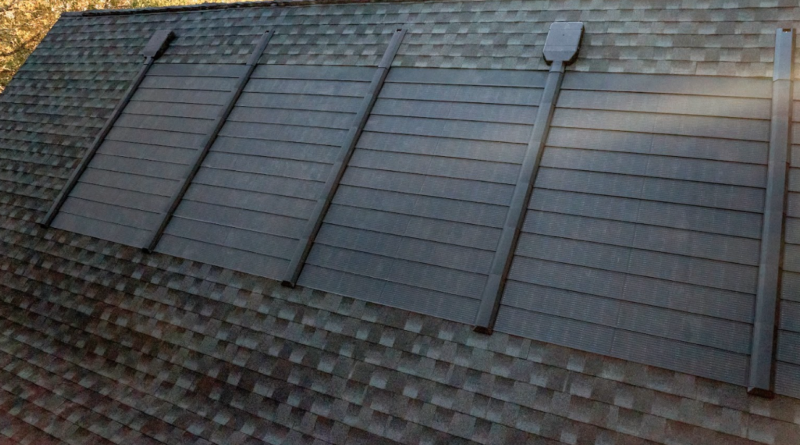
- Solar Shingles: These combine roofing and solar functions, providing a sleek appearance and weather protection. While more common on sloped roofs, some products are adaptable for low-slope or flat applications.
Choosing the right material depends on your energy needs, budget, and aesthetic preferences. Consult with a solar professional to determine which technology best fits your project.
Maintenance and Longevity of Flat Roof Solar Systems
Proper maintenance ensures your solar investment delivers reliable performance over decades. Here are some tips for keeping your flat roof solar system in top shape:
- Regular Cleaning: Dust, debris, and bird droppings can reduce panel efficiency. Use a soft brush or specialized cleaning tool to keep surfaces clear.
- Annual Inspections: Have a professional check for loose mounts, wiring issues, and roof membrane integrity. Early detection of problems can prevent costly repairs.
- Monitor Drainage: Ensure that mounting hardware does not block roof drains or scuppers. Standing water can shorten both roof and solar system lifespan.
For more on identifying and addressing structural concerns, see the guide on roof sagging problems.
Energy Efficiency and Cool Roof Synergy
Pairing solar with cool roof technologies can further enhance energy savings. Cool roofs reflect more sunlight and absorb less heat, reducing cooling loads and improving solar panel efficiency. The U.S. Department of Energy provides a comprehensive overview of cool roof benefits and materials, which can be especially valuable for flat-roofed buildings in sunny climates.
Combining these strategies not only lowers utility bills but also extends the life of your roofing system by reducing thermal stress.
Common Challenges and Solutions
While flat roofs are well-suited for solar, there are some challenges to consider:
- Wind Uplift: Flat roofs are more exposed to wind. Ballasted systems must be properly engineered to prevent movement or damage during storms.
- Shading: HVAC units, vents, and parapet walls can cast shadows, reducing output. Careful array layout and microinverter technology can help mitigate shading losses.
- Roof Penetrations: If penetrative mounts are used, ensure all penetrations are expertly flashed and sealed to prevent leaks.
Working with experienced installers and conducting a thorough site assessment can address most of these concerns before they become issues.
FAQ: Solar Installations on Flat Roofs
Can any flat roof support a solar system?
Not all flat roofs are suitable for solar. The roof must be in good condition, structurally sound, and able to support the additional weight of panels and mounting hardware. A professional assessment is recommended before installation.
How are solar panels angled on flat roofs?
Installers use adjustable racking systems to tilt panels toward the sun, typically at an angle between 10 and 30 degrees. This maximizes energy production and allows rainwater to wash off debris.
Do solar panels cause leaks on flat roofs?
When properly installed, solar systems should not cause leaks. Ballasted systems avoid roof penetrations, while penetrative mounts require expert waterproofing. Regular inspections help catch any potential issues early.
Conclusion
Adopting solar roofing on flat roofs is a practical way to reduce energy costs and increase property value. By understanding the unique requirements of flat roof installations, selecting the right materials, and maintaining your system, you can enjoy reliable, clean energy for years to come. For those considering a new roof or solar upgrade, integrating both projects can maximize efficiency and long-term savings.