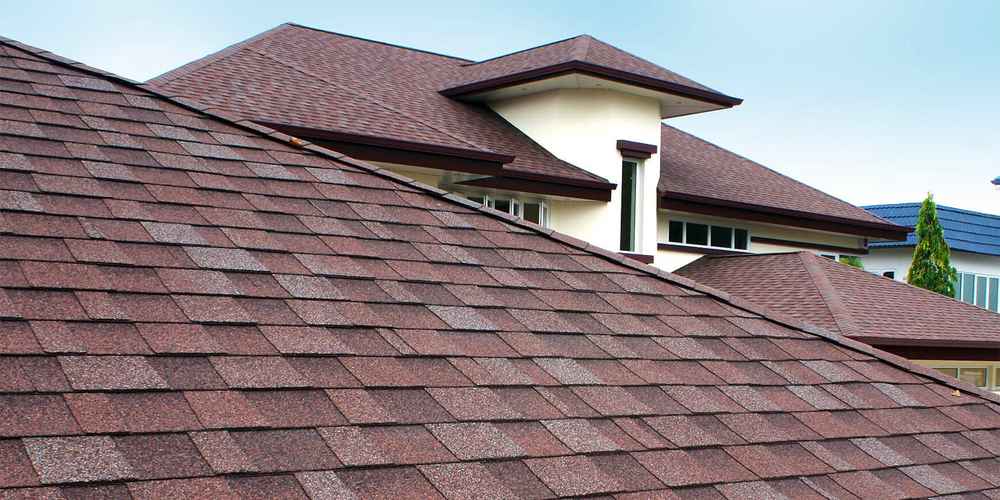
Severe weather events, especially hailstorms, can cause significant damage to traditional roofing materials. For homeowners in hail-prone regions, investing in hail resistant shingles is a practical way to protect your property and reduce long-term maintenance costs. These advanced roofing products are engineered to withstand the impact of hailstones, providing a higher level of durability than standard asphalt shingles.
Understanding the different types of impact-rated shingles, their benefits, and how to choose the right option for your home is essential for anyone considering a roof upgrade. This article explores the key features of hail-resistant roofing, top-rated materials, and what to look for when making your selection. If you’re weighing the roof upgrade cost for better protection, this guide will help you make an informed decision.
Why Impact-Rated Shingles Matter for Hail Protection
Hailstorms can cause cracks, punctures, and granule loss in conventional roofing, leading to leaks and costly repairs. Impact-rated shingles are specifically designed to resist these types of damage. They undergo rigorous testing, such as the UL 2218 Impact Rating, which simulates the effect of hailstones striking the roof. Products that achieve a Class 4 rating—the highest available—are proven to withstand the impact of 2-inch steel balls dropped from 20 feet without cracking or breaking.
Choosing a roof with a high impact rating can also lead to insurance discounts, as many providers recognize the reduced risk of claims. In addition, these shingles often have longer warranties and require less frequent replacement, making them a smart investment for homeowners in areas with frequent severe weather.
Types of Hail-Resistant Roofing Materials
There are several types of roofing products designed to offer superior hail resistance. Each material has its own advantages and considerations:
- Asphalt Shingles (Impact-Resistant): These are the most common and affordable option. Manufacturers reinforce them with polymers or fiberglass mats to improve durability. Many leading brands offer Class 4 impact-rated asphalt shingles.
- Metal Roofing: Steel, aluminum, and copper roofs are naturally resistant to hail damage due to their strength and flexibility. While dents may occur, metal panels rarely crack or puncture.
- Synthetic and Composite Shingles: Made from engineered polymers, these products mimic the look of slate or wood while providing exceptional impact resistance. They are lightweight and highly durable.
- Concrete and Clay Tiles: Heavier than other options, these tiles can withstand hail but may break under very large impacts. Reinforced versions are available for added protection.
For a detailed overview of asphalt shingle construction and benefits, see this comprehensive guide to asphalt shingle roofing.
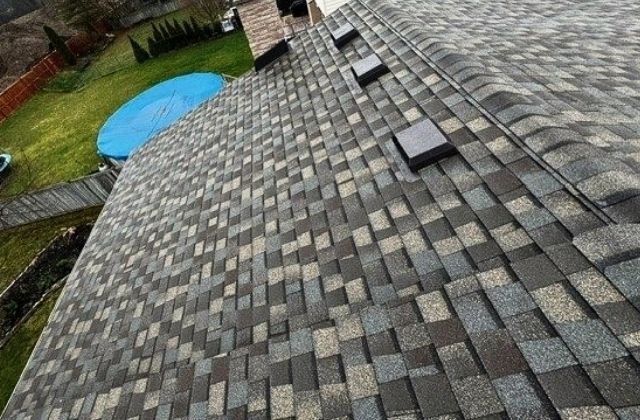
Key Features to Look for in Hail-Resistant Shingles
When selecting shingles designed for hail protection, consider these important features:
- UL 2218 Class 4 Rating: Look for products with this certification, as it indicates the highest level of impact resistance.
- Reinforced Construction: Shingles with added fiberglass, rubberized polymers, or SBS-modified asphalt offer greater flexibility and strength.
- Warranty Coverage: Many manufacturers provide extended warranties for impact-rated products. Review the terms to ensure hail damage is included.
- Wind Resistance: Severe storms often bring high winds along with hail. Choose shingles rated for strong wind uplift as well.
- Algae and UV Protection: Advanced granule coatings help prevent discoloration and deterioration from sun and moisture exposure.
Consulting a roofing professional can help you match the right product to your climate and budget. If you’re considering a full replacement, our asphalt roof replacement guide offers step-by-step planning advice.
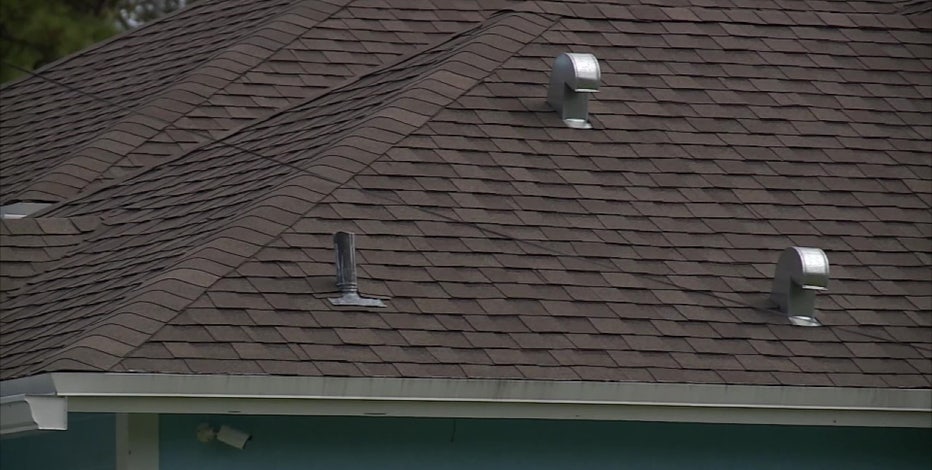
Top Brands and Products for Impact-Resistant Roofing
Several manufacturers are known for producing high-quality shingles that stand up to hail. Some of the most trusted names include:
- GAF Timberline AS II: These architectural shingles feature SBS-modified asphalt for superior flexibility and a Class 4 impact rating.
- Owens Corning Duration STORM: Reinforced with a tough woven fabric, these shingles are engineered to absorb and dissipate hail impact.
- CertainTeed NorthGate: Utilizing rubberized asphalt, NorthGate shingles offer both impact and cold-weather resistance.
- Malarkey Legacy: Made with polymer-modified asphalt, these shingles provide excellent impact, wind, and algae resistance.
- DaVinci Roofscapes: Specializing in composite slate and shake, DaVinci’s products combine beauty with Class 4 impact performance.
When comparing options, review product datasheets, warranty details, and third-party ratings. A professional installer can help you determine which brand best fits your needs and local weather patterns.
Installation and Maintenance Tips for Hail-Resistant Roofs
Proper installation is crucial for maximizing the performance of impact-rated shingles. Even the best materials can fail if not installed correctly. Here are some tips to ensure your roof provides optimal protection:
- Hire a certified roofing contractor with experience installing impact-resistant products.
- Ensure proper underlayment and flashing are used to prevent water intrusion.
- Follow manufacturer guidelines for nailing patterns and ventilation.
- Inspect your roof regularly for signs of damage, especially after severe storms.
- Use recommended sealants and repair materials to address minor issues promptly.
If you’re replacing an older roof, consider reading about replacing old asphalt roof systems to understand the benefits of a full tear-off versus overlay.
Cost Considerations and Insurance Benefits
While impact-rated shingles generally cost more upfront than standard options, the investment pays off through reduced repair bills and potential insurance savings. Many insurers offer premium discounts for homes protected by Class 4 roofing, recognizing the lower risk of hail-related claims. Be sure to check with your provider and ask what documentation is required to qualify for these discounts.
Additionally, the longevity and durability of these products mean fewer replacements over the life of your home, further offsetting the initial expense. For a breakdown of what to expect, review our article on roof upgrade cost and budgeting tips.
Frequently Asked Questions About Hail-Resistant Roofing
What is the UL 2218 Impact Rating?
The UL 2218 rating is an industry standard test that measures a roofing material’s ability to withstand impact from hail. Class 4 is the highest rating, indicating the product can resist cracking or breaking when struck by a 2-inch steel ball dropped from 20 feet.
Do Impact-Resistant Shingles Look Different from Regular Shingles?
Most impact-rated shingles are designed to look just like traditional asphalt or architectural shingles. They come in a variety of colors and styles, so you don’t have to sacrifice curb appeal for durability.
Can I Install Hail-Resistant Shingles Over My Existing Roof?
While some products allow for installation over an existing layer, a full tear-off is usually recommended for best performance and warranty coverage. This approach ensures a flat, secure surface and proper ventilation. For more details, see our asphalt roof replacement guide.
Are There Any Maintenance Tips for Prolonging the Life of Impact-Rated Shingles?
Regular inspections, prompt repairs, and keeping gutters clear of debris all help extend the lifespan of your roof. Using the right sealants and addressing minor issues quickly can prevent larger problems down the road.
Conclusion
Choosing the right roofing material is essential for protecting your home from hail and other severe weather. Hail resistant shingles offer proven durability, insurance benefits, and peace of mind for homeowners in storm-prone areas. By understanding the available options, key features, and installation best practices, you can make a confident investment in your property’s long-term safety and value.