Moisture issues in attics are a common concern for homeowners, especially in regions with fluctuating temperatures. When warm, moist air meets a cold surface, condensation can form, leading to potential problems such as mold, wood rot, and reduced insulation performance. Addressing these challenges requires a strategic approach that combines proper installation, effective ventilation, and the right choice of materials. In this guide, we’ll explore practical attic insulation condensation solutions that have proven effective for maintaining a dry, energy-efficient attic space.
Understanding the root causes of condensation and knowing how to prevent it is essential for protecting your home’s structure and indoor air quality. Whether you’re planning a new insulation project or troubleshooting existing issues, the following information will help you make informed decisions and avoid costly mistakes.
If you’re also considering broader roof improvements, understanding the roof upgrade cost can help you budget for comprehensive solutions that address both insulation and structural needs.
Understanding Why Condensation Forms in Attics
Condensation in attics occurs when warm, humid air from the living spaces below rises and meets cooler surfaces, such as the underside of the roof deck or insulation. This temperature difference causes moisture in the air to turn into water droplets, which can accumulate over time. Several factors contribute to this process:
- Inadequate ventilation prevents moist air from escaping the attic.
- Poor air sealing allows warm air to leak from the house into the attic.
- Improper insulation installation can create cold spots where condensation forms.
- High indoor humidity from activities like cooking, bathing, or laundry increases the risk.
Recognizing these factors is the first step toward implementing effective moisture control strategies.
Key Attic Insulation Condensation Solutions
To tackle condensation, a combination of methods is usually required. Here are some of the most reliable approaches:
Enhancing Attic Ventilation
Proper airflow is essential for preventing moisture buildup. Installing or upgrading soffit, ridge, or gable vents allows fresh air to circulate and carry away humid air. Balanced ventilation ensures that air enters through soffit vents and exits through roof or ridge vents, creating a continuous flow. This helps keep attic temperatures stable and reduces the risk of condensation.
When evaluating your attic’s ventilation, check for blocked or undersized vents. Insulation should never obstruct airflow at the eaves—use baffles to maintain clear paths for air movement.
Improving Air Sealing and Vapor Barriers
One of the most effective attic insulation condensation solutions is to seal gaps and cracks that allow warm, moist air to escape from living spaces into the attic. Use caulk or expanding foam to seal penetrations around plumbing stacks, electrical wires, and light fixtures. Weatherstripping around attic access doors also helps.
Installing a vapor barrier on the warm side of the insulation (usually the attic floor) can further reduce moisture migration. This barrier prevents water vapor from passing through insulation and condensing on cold surfaces. Polyethylene sheets or vapor-retardant paints are commonly used for this purpose.
Choosing the Right Insulation Materials
Selecting suitable insulation is crucial for moisture control. Some materials manage humidity better than others:
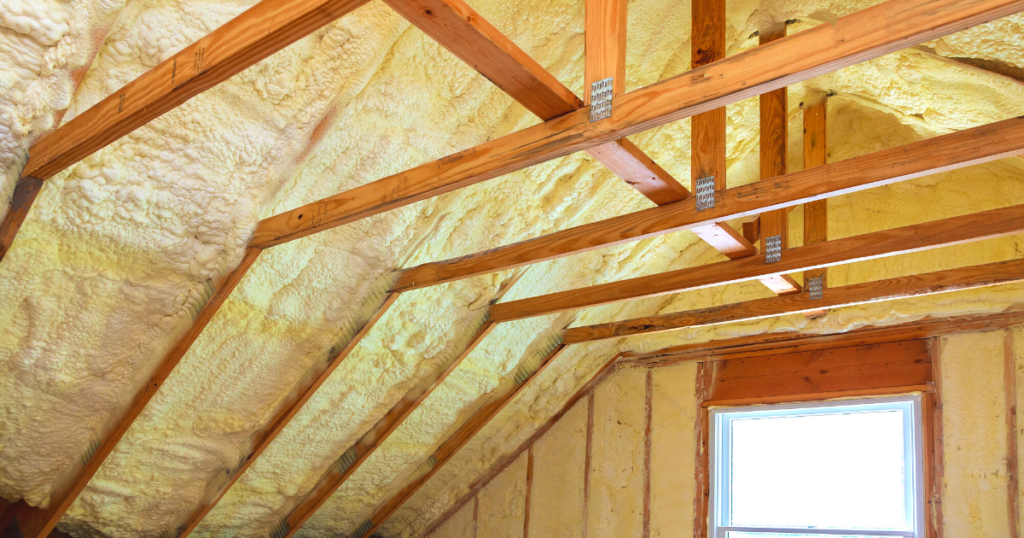
- Spray foam insulation provides excellent air sealing and acts as a vapor barrier, minimizing the risk of condensation.
- Fiberglass batts are effective if installed with a vapor barrier and without gaps, but can trap moisture if not properly ventilated.
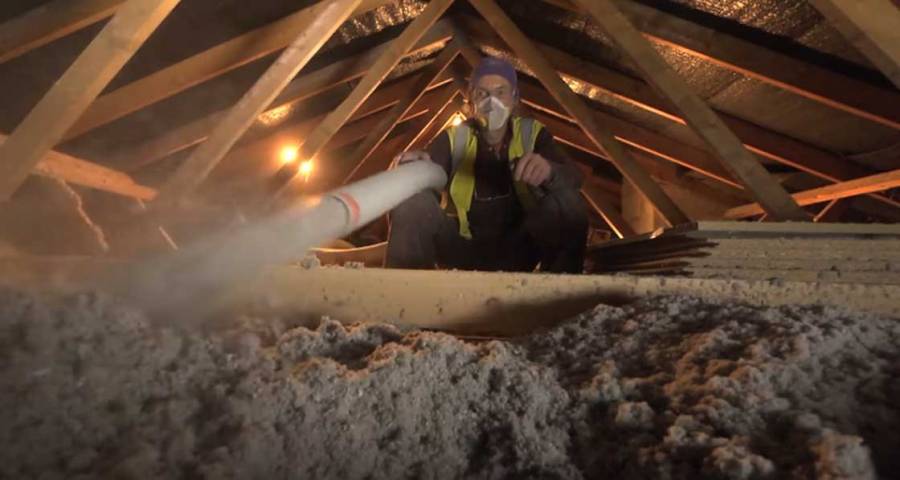
- Cellulose insulation is treated to resist mold but still requires good ventilation to prevent moisture problems.
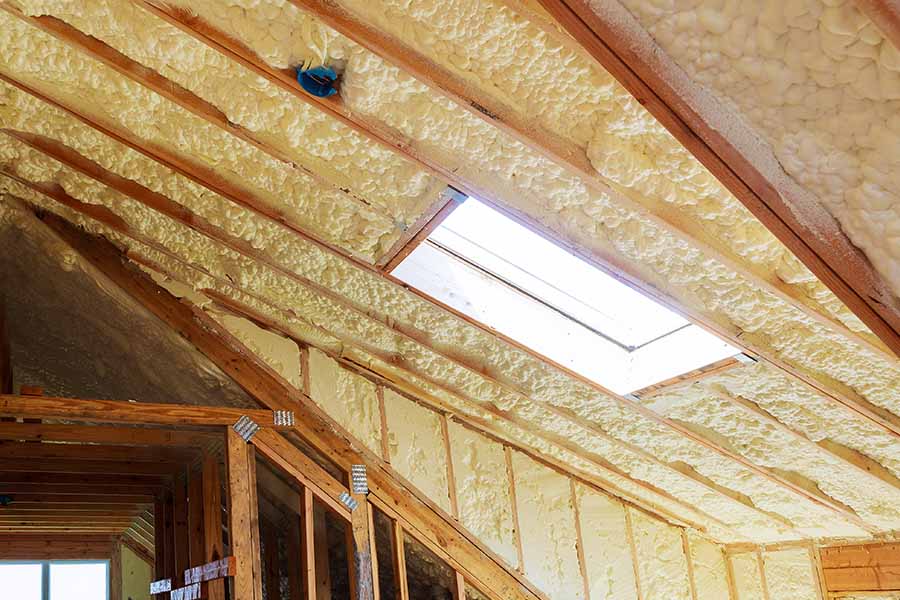
No matter which material you choose, professional installation is recommended to ensure complete coverage and minimize air leaks.
Addressing Common Attic Moisture Issues
Even with the best planning, issues can arise. Here’s how to handle some of the most frequent problems:
- Mold growth: Identify and fix the source of moisture, remove contaminated insulation, and treat affected areas with mold-killing solutions.
- Wet insulation: Replace any insulation that has become saturated, as it loses its effectiveness and can harbor mold.
- Ice dams: These form when heat escapes into the attic, melting snow on the roof, which then refreezes at the eaves. Improve insulation and ventilation to prevent this cycle.
Regular attic inspections, especially after heavy rain or snow, can help catch problems early before they escalate.
Integrating Condensation Solutions with Roofing Projects
If you’re planning a roof replacement or upgrade, it’s the perfect time to address attic moisture concerns. Coordinating insulation improvements with roofing work can save time and money. For example, when replacing old shingles, consider upgrading attic ventilation or adding a vapor barrier. For more on this, see our guide to replacing old asphalt roofs.
Proper installation is key to long-term performance. Poor workmanship can undermine even the best materials, so always choose experienced contractors and request references. For tips on identifying issues, read about poor installation roofing issues.
Maintenance Tips for Long-Term Moisture Control
Once you’ve implemented attic insulation condensation solutions, ongoing maintenance is essential. Here are some practical steps:
- Check attic vents regularly to ensure they’re not blocked by insulation, debris, or animal nests.
- Monitor humidity levels in your home, especially during winter. Use exhaust fans in kitchens and bathrooms to reduce indoor moisture.
- Inspect insulation for signs of dampness or mold at least once a year.
- Repair roof leaks promptly to prevent water intrusion.
Staying proactive with these measures will help you maintain a dry, healthy attic and extend the life of your roof and insulation.
FAQ: Attic Insulation and Condensation
What are the signs of condensation problems in the attic?
Common indicators include water stains on the ceiling, damp or compressed insulation, visible mold growth, a musty odor, and frost buildup on the underside of the roof deck during winter. If you notice any of these, it’s important to investigate further and address the underlying cause.
Can I add more insulation to solve condensation issues?
Adding insulation can help, but it’s not a standalone solution. Without proper air sealing and ventilation, extra insulation may trap moisture and worsen the problem. Always combine increased insulation with improved airflow and vapor barriers for best results.
How often should attic ventilation and insulation be checked?
It’s wise to inspect your attic at least once a year, ideally before winter. Look for blocked vents, wet insulation, and any signs of leaks or mold. After severe weather events, a quick check can also help catch problems early.
By understanding and applying these proven methods, you can effectively manage moisture in your attic and protect your home for years to come. For more information on planning your next project, our asphalt roof replacement guide offers additional insights into integrating insulation and roofing upgrades.