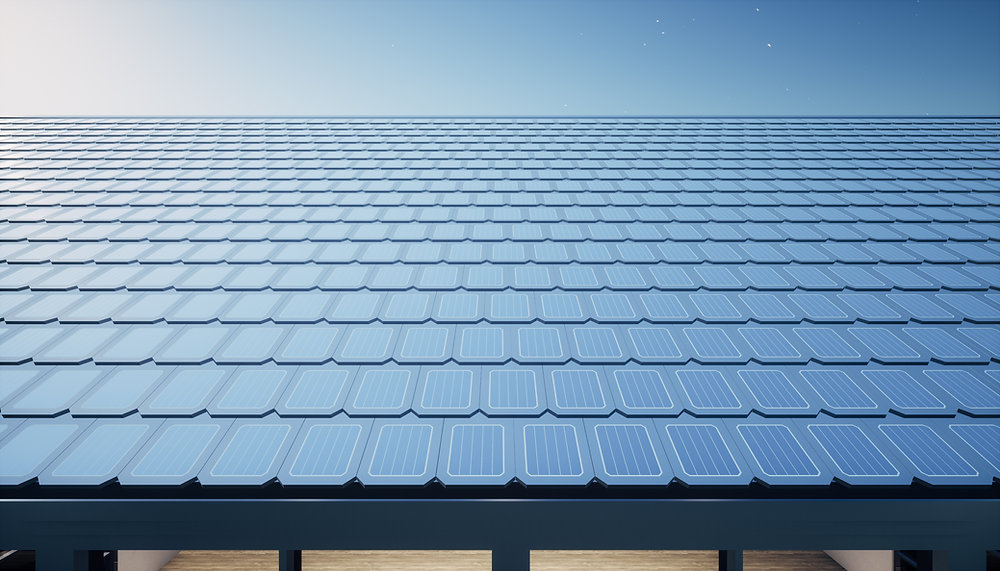
Solar roofing for commercial buildings is rapidly gaining traction as businesses seek sustainable, cost-effective solutions to manage energy consumption and reduce operational expenses. With rising utility costs and increasing environmental regulations, integrating solar technology into commercial roofs is no longer just a trend—it’s a strategic investment. This guide offers a comprehensive overview of how solar roofing works for business properties, the types of systems available, and what decision-makers need to know before making the switch.
For those considering a major upgrade, understanding the roof upgrade cost can help you budget effectively and compare the long-term savings of solar installations with traditional roofing options. By exploring the benefits, challenges, and practical considerations, business owners and facility managers can make informed choices that align with both financial and sustainability goals.
Why Choose Photovoltaic Roofs for Business Properties?
Commercial properties often have large, flat or gently sloped roofs, making them ideal candidates for solar installations. By utilizing this unused space, businesses can generate significant amounts of renewable energy, offsetting a large portion of their electricity needs. The advantages extend beyond energy savings—solar roofing can improve a company’s environmental profile, appeal to eco-conscious clients, and even increase property value.
Additionally, many regions offer incentives, tax credits, and rebates for businesses that invest in solar infrastructure. These financial benefits can significantly reduce the payback period, making the transition to solar more accessible for organizations of all sizes.
Types of Solar Roofing Systems for Commercial Use
There are several options when it comes to integrating solar technology into a commercial roof. The most common systems include:
- Solar Panels (Photovoltaic Modules): Traditional panels mounted on racks above the existing roof membrane. These are the most widely used and offer high efficiency.
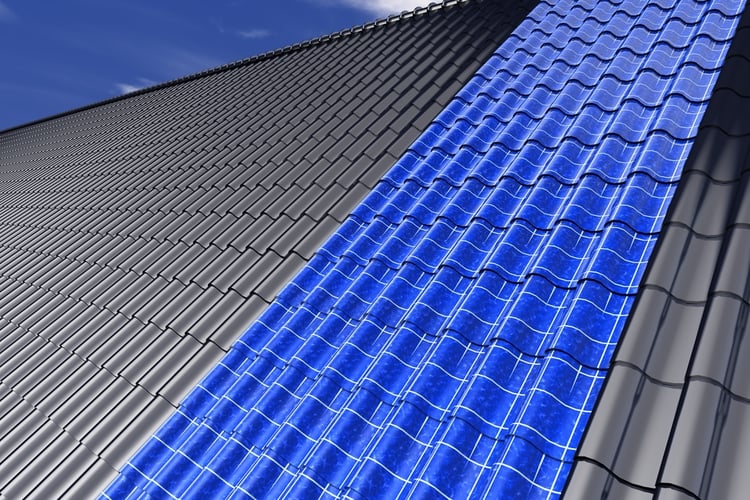
- Solar Shingles and Tiles: Building-integrated photovoltaics (BIPV) that replace conventional roofing materials. These systems blend seamlessly with the roof and are particularly suitable for new construction or major renovations. For a deeper dive into this technology, see this comprehensive guide to solar tiles and shingles.
- Ballasted Systems: Panels held in place by weights rather than roof penetrations, ideal for flat roofs where preserving the roof membrane is a priority.
Key Benefits of Solar Roofing Solutions for Businesses
Adopting solar roofing solutions for commercial buildings offers a range of tangible benefits:
- Lower Operating Costs: By generating your own electricity, you can reduce reliance on the grid and protect your business from rising energy prices.
- Environmental Impact: Solar energy is clean and renewable, helping organizations meet sustainability targets and demonstrate corporate responsibility.
- Improved Building Value: Properties with solar installations are often more attractive to buyers and tenants, commanding higher rents and resale values.
- Energy Independence: Solar systems can be paired with battery storage, providing backup power during outages and further reducing grid dependence.
- Tax Incentives and Rebates: Many governments offer financial incentives to offset installation costs, making solar more affordable for businesses.
Considerations Before Installing Solar Roofs on Commercial Properties
While the advantages are compelling, there are important factors to evaluate before proceeding with a solar project:
- Roof Condition and Age: Solar systems typically last 25–30 years. Installing panels on an aging or damaged roof may require premature removal for repairs or replacement. If your roof is nearing the end of its lifespan, consider reviewing the asphalt roof replacement guide before installing solar.
- Structural Load: Commercial roofs must be assessed for their ability to support the additional weight of solar panels and mounting equipment.
- Orientation and Shading: Maximum solar output is achieved with optimal orientation (usually south-facing) and minimal shading from nearby structures or trees.
- Local Regulations and Permits: Building codes, zoning laws, and utility interconnection requirements vary by location. Work with experienced installers familiar with local rules.
- Maintenance Access: Ensure that the system design allows for easy access to both the panels and the underlying roof for routine inspections and cleaning.

Installation Process and Timeline for Commercial Solar Roofs
The process of adding solar technology to a commercial property involves several key steps:
- Initial Assessment: A site survey evaluates roof condition, orientation, and shading to determine system size and layout.
- Design and Engineering: Customized plans are created to maximize energy production and ensure compliance with local codes.
- Permitting and Approvals: Necessary permits are obtained from local authorities and utility companies.
- Installation: Mounting systems, panels, and electrical components are installed, typically over several days to weeks depending on project size.
- Inspection and Commissioning: Final inspections ensure safety and code compliance before the system is connected to the grid.
Most commercial solar installations can be completed within 2–6 months from initial consultation to activation, depending on project complexity and permitting timelines.
Maintenance and Longevity of Commercial Solar Roofing
Solar roofing systems are designed for durability and minimal upkeep. However, regular maintenance is essential to ensure optimal performance and extend system life. Key maintenance tasks include:
- Routine Cleaning: Dust, debris, and bird droppings can reduce panel efficiency. Cleaning schedules vary by location and environment.
- Annual Inspections: Professional checks of wiring, mounting hardware, and inverters help identify issues before they impact performance.
- Monitoring: Many systems include real-time monitoring to track energy production and detect faults promptly.
For more tips on keeping your roof in top shape, review these roofing mistakes to avoid during maintenance and upgrades.
Cost Factors and Return on Investment
The upfront cost of solar roofing varies based on system size, roof complexity, and technology type. However, the long-term savings can be substantial. Key factors influencing ROI include:
- Electricity Rates: Higher local utility rates increase the value of self-generated solar power.
- System Size: Larger systems benefit from economies of scale, reducing per-watt installation costs.
- Incentives: Federal, state, and local programs can offset a significant portion of initial expenses.
- Maintenance Costs: Minimal ongoing expenses help maximize net savings over the system’s lifespan.
Most businesses see a payback period of 5–10 years, with systems continuing to generate free electricity for many years beyond that.
Common Challenges and How to Overcome Them
While solar roofing offers many benefits, there are some challenges to consider:
- Upfront Investment: The initial cost can be significant, but financing options and incentives can help spread out payments.
- Roof Compatibility: Not all commercial roofs are suitable for solar. Structural assessments and, if necessary, roof upgrades may be required.
- Regulatory Hurdles: Navigating permits and utility interconnections can be complex. Working with experienced solar contractors streamlines the process.
If your building has an older roof, you may want to consult the replacing old asphalt roof resource to determine if a full tear-off is needed before installation.
Frequently Asked Questions
How long do commercial solar roofing systems last?
Most commercial solar systems are designed to last 25–30 years. With proper maintenance, many continue to operate efficiently beyond their warranty period.
Can solar panels be installed on any type of commercial roof?
Solar technology can be adapted to most commercial roof types, including flat, low-slope, and pitched roofs. However, the roof must be in good condition and structurally sound to support the added weight.
What incentives are available for businesses installing solar roofs?
Incentives vary by location but often include federal tax credits, state rebates, accelerated depreciation, and utility company incentives. These programs can significantly reduce the net cost of installation.
Conclusion
Adopting solar roofing for commercial buildings is a forward-thinking move that delivers both economic and environmental benefits. By understanding the available technologies, evaluating your building’s suitability, and working with knowledgeable professionals, your business can take advantage of clean energy and long-term savings. As solar technology continues to advance and incentives remain strong, now is an excellent time for commercial property owners to explore this sustainable upgrade.