As a new homeowner, understanding your roof is essential for protecting your investment and ensuring your family’s comfort. Asphalt shingles remain the most popular roofing material in North America, thanks to their affordability, durability, and wide range of styles. This beginner guide to asphalt roofs will help you grasp the basics, from what asphalt shingles are made of to how to maintain them for years of reliable service.
Whether you’re planning a replacement, tackling minor repairs, or simply want to know what keeps your home dry, learning about the fundamentals of asphalt roofing is a smart first step. For a more comprehensive approach to managing your roofing project, you may also want to review the roofing checklist for homeowners to stay organized and informed throughout the process.

What Are Asphalt Shingles?
Asphalt shingles are a type of roofing material made from a base mat, asphalt coating, and mineral granules. The base mat is typically fiberglass or organic felt, which provides strength and flexibility. The asphalt layer waterproofs the shingle, while the mineral granules protect against UV rays and add color. These shingles are designed to shed water efficiently, making them ideal for a wide range of climates.
There are two main types of asphalt shingles: 3-tab shingles and architectural (dimensional) shingles. Three-tab options are flat and uniform, while architectural shingles have a layered, textured appearance that mimics wood or slate. If you’re curious about the differences between these styles, check out this detailed comparison of architectural vs 3 tab shingles to help you make an informed decision.
Benefits of Choosing Asphalt Roofing
Asphalt roofing offers several advantages for homeowners, especially those new to property ownership:
- Affordability: Asphalt shingles are among the most cost-effective roofing materials available.
- Variety: They come in many colors, textures, and styles to suit different architectural preferences.
- Ease of Installation: Most roofing contractors are experienced with asphalt shingles, leading to faster, less expensive installations.
- Durability: With proper care, asphalt roofs can last 15–30 years depending on the product and climate.
- Repairability: Individual shingles can be replaced if damaged, avoiding the need for a full roof replacement.
For homeowners weighing options, it’s helpful to compare asphalt vs composite shingles to see which material best fits your needs and budget.
Understanding the Structure of an Asphalt Roof
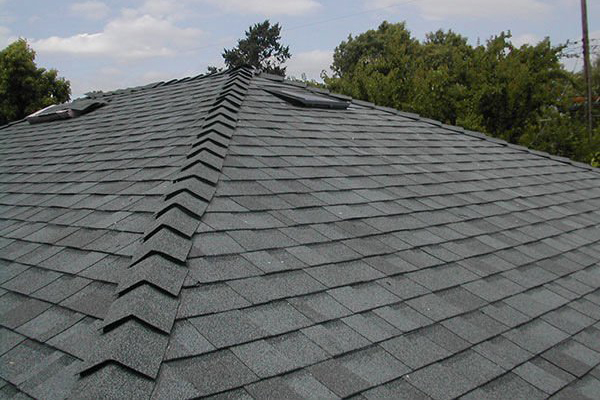
The anatomy of an asphalt roof involves more than just the visible shingles. Beneath the surface, several layers work together to keep your home protected:
- Decking: The wooden base (usually plywood or OSB) that supports the roof system.
- Underlayment: A water-resistant barrier installed between the decking and shingles to add extra protection against leaks.
- Starter Shingles: Placed at the edges to ensure proper sealing and wind resistance.
- Field Shingles: The main shingles covering the majority of the roof.
- Ridge Cap Shingles: Special shingles that cover the roof’s peak to prevent water infiltration.
Each component plays a critical role in the roof’s performance and longevity. For a deeper dive into how different materials stack up, the roofing material durability comparison offers valuable insights.
Key Maintenance Tips for Asphalt Shingle Roofs
Proper maintenance is essential for maximizing the lifespan of your asphalt roof. Here are some practical tips for new homeowners:
- Inspect Regularly: Check your roof at least twice a year and after severe weather for missing, curled, or cracked shingles.
- Clean Debris: Remove leaves, branches, and other debris from the roof and gutters to prevent water backup and damage.
- Address Moss and Algae: Use a gentle roof cleaner or hire a professional if you notice growth, as these can shorten shingle life.
- Seal Leaks Promptly: If you spot small leaks or gaps, use a quality roof sealant to prevent water from entering your home.
- Trim Overhanging Branches: Keep trees trimmed back to avoid abrasion and reduce debris accumulation.
For those considering repairs or upgrades, it’s important to weigh the pros and cons of cheap vs premium shingles to determine what best fits your long-term goals.
Common Issues and How to Address Them
Even with proper care, asphalt roofs can develop issues over time. Here are some of the most common problems and how to handle them:
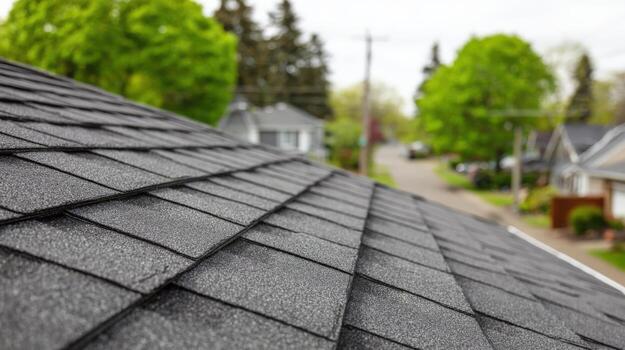
- Granule Loss: Over time, shingles may shed their protective granules, especially after storms. If you notice excessive granules in gutters, inspect for worn areas and consider replacing affected shingles.
- Curling or Buckling: This can result from poor ventilation or improper installation. Replace damaged shingles and ensure your attic is well-ventilated.
- Leaks: Small leaks often occur around flashing, vents, or damaged shingles. Use a high-quality sealant or consult a professional roofer for repairs.
- Algae and Moss: These can cause discoloration and reduce shingle life. Clean with a gentle solution and consider installing zinc or copper strips to prevent regrowth.
Understanding what asphalt shingles are made of and why it matters can help you spot potential issues early. For more details, see this in-depth explanation of asphalt shingle composition and its importance.
How to Choose the Right Asphalt Shingles
Selecting the best shingles for your home involves balancing budget, style, and performance. Here are some factors to consider:
- Climate: Choose shingles rated for your region’s weather, including wind, hail, and temperature extremes.
- Warranty: Look for products with strong manufacturer warranties for peace of mind.
- Style: Match the color and texture to your home’s architecture and neighborhood standards.
- Cost: While budget options are available, investing in higher-quality shingles can extend your roof’s lifespan and improve curb appeal.
Comparing cheap vs premium shingles can help you decide if the extra investment is worthwhile for your situation.
FAQ: Asphalt Roofs for New Homeowners
How long does an asphalt shingle roof typically last?
Most asphalt shingle roofs last between 15 and 30 years, depending on the quality of the shingles, installation, and maintenance. Architectural shingles often provide a longer lifespan than basic 3-tab options.
What maintenance should I perform on my asphalt roof?
Inspect your roof twice a year, clear debris from shingles and gutters, address moss or algae growth, and repair or replace damaged shingles promptly. Keeping trees trimmed and ensuring proper attic ventilation also help extend roof life.
Are asphalt shingles environmentally friendly?
Asphalt shingles are petroleum-based, but many manufacturers now offer recycling programs for old shingles. Some products also include recycled materials. If sustainability is a priority, ask your roofer about eco-friendly options and recycling in your area.
Can I install asphalt shingles myself?
While some experienced DIYers tackle small repairs, full roof installation is best left to professionals. Proper installation is critical for warranty coverage and long-term performance.
By understanding the essentials of asphalt roofing, you can make informed decisions, maintain your home’s value, and enjoy peace of mind for years to come. If you want to learn more about managing your roofing project or comparing materials, explore the related guides linked throughout this article.