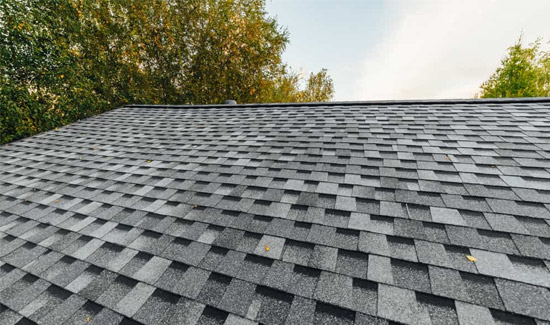
Choosing the right roofing material is a significant decision for any homeowner. Among the many options available, asphalt shingles remain one of the most popular choices due to their affordability, durability, and versatility. This asphalt roof buying guide is designed to help you understand the key factors involved in selecting, installing, and maintaining an asphalt shingle roof, so you can make an informed investment in your property.
Whether you’re replacing an old roof or building a new home, understanding the pros and cons of asphalt shingles, the different types available, and what to look for in a quality product is essential. We’ll also cover important considerations like warranties, installation tips, and how to compare asphalt shingles with other roofing materials.
For a step-by-step approach to managing your roofing project, check out the roofing checklist for homeowners, which covers everything from planning to final inspection.
Understanding Asphalt Shingle Roofing
Asphalt shingles are composed of a fiberglass or organic mat coated with asphalt and topped with mineral granules. They are widely used in residential roofing due to their cost-effectiveness and ease of installation. There are two main types of asphalt shingles: 3-tab shingles and architectural (dimensional) shingles. Each type offers different benefits in terms of appearance, durability, and price.
For a detailed comparison between popular shingle types, visit our guide on architectural vs 3 tab shingles to help you decide which style best suits your needs.
Key Benefits of Asphalt Shingles
- Affordability: Asphalt shingles are generally less expensive than other roofing materials like metal, tile, or slate.
- Variety: Available in a wide range of colors and styles, they can complement almost any home design.
- Ease of Installation: Most roofing contractors are experienced with asphalt shingles, making installation straightforward and efficient.
- Repairability: Damaged shingles can often be replaced individually, saving on repair costs.
- Fire and Wind Resistance: Quality asphalt shingles offer good resistance to fire and wind, especially when properly installed.
To learn more about how asphalt shingles compare to other materials in terms of longevity, see our roofing material durability comparison.
Types of Asphalt Shingles Explained
When exploring options in any asphalt roof buying guide, it’s important to understand the differences between shingle types:
- 3-Tab Shingles: These are the most basic and budget-friendly option. They have a flat appearance and a single layer, making them lighter but less durable than other types.
- Architectural Shingles: Also known as dimensional or laminate shingles, these are thicker, have a multi-layered design, and provide better durability and a more textured look.
- Premium Shingles: Designed to mimic the appearance of slate or cedar shakes, premium shingles offer enhanced aesthetics and performance but come at a higher price point.
If you’re weighing cost versus performance, our article on cheap vs premium shingles breaks down the pros and cons of each option.

What to Look for When Buying Asphalt Shingles
When shopping for asphalt shingles, consider the following factors to ensure you’re getting the best value and performance:
- Warranty: Look for products with strong manufacturer warranties. Warranties can range from 20 years to lifetime coverage, depending on the shingle type.
- Wind and Impact Ratings: Higher-rated shingles offer better protection against severe weather and hail.
- Algae Resistance: If you live in a humid climate, choose shingles with built-in algae resistance to prevent discoloration.
- Color and Style: Select a shingle color and profile that complements your home’s exterior and increases curb appeal.
- Fire Rating: Class A fire-rated shingles provide the highest level of fire resistance.
For a deeper dive into how asphalt compares with other modern options, read our analysis on asphalt vs composite shingles.
Comparing Asphalt Shingles to Other Roofing Materials
Asphalt shingles are often compared to metal, wood, slate, and composite roofing. While they are typically less expensive and easier to install, they may not last as long as some premium materials. However, advances in manufacturing have improved their lifespan and performance, making them a reliable choice for most homeowners.
According to this comprehensive overview of asphalt shingle roofs, modern asphalt shingles can last 20–30 years or more with proper maintenance, and many come with enhanced features like improved wind resistance and reflective coatings for energy efficiency.
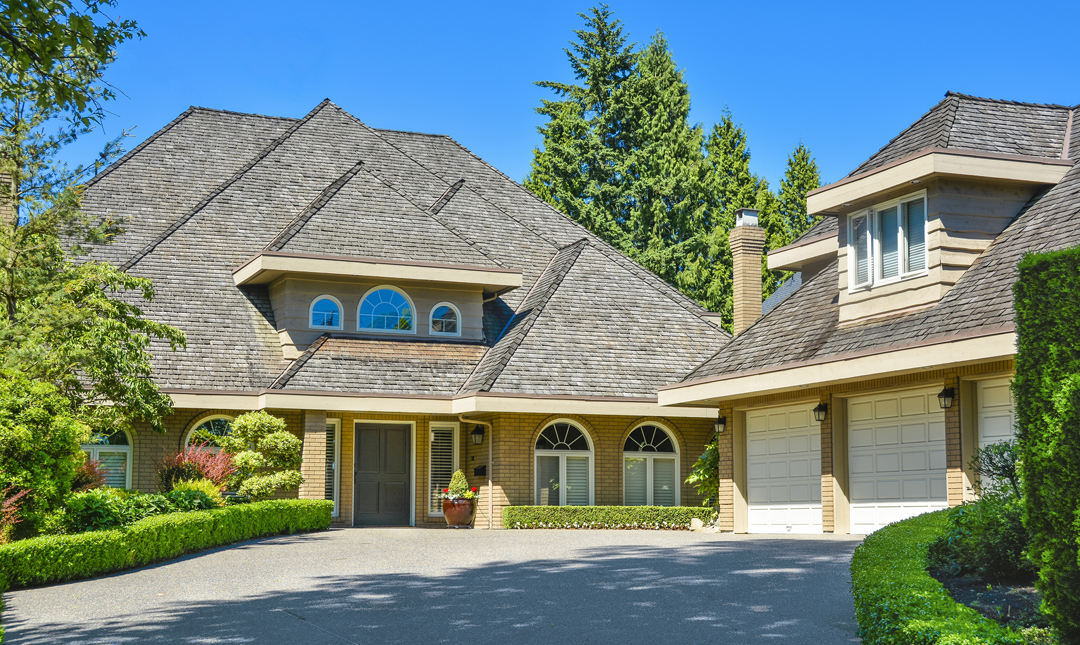
Installation and Maintenance Tips
Proper installation is crucial to ensure your asphalt shingle roof performs as expected. Here are some tips to keep in mind:
- Hire a Qualified Contractor: Always work with a licensed and insured roofing professional experienced in asphalt shingle installation.
- Ventilation: Adequate attic ventilation helps prevent moisture buildup and extends the life of your roof.
- Underlayment: Use a quality underlayment to provide an extra layer of protection against leaks.
- Regular Inspections: Inspect your roof annually and after major storms to catch and repair minor issues before they become major problems.
- Clean Gutters: Keep gutters clear of debris to prevent water backup and shingle damage.
Routine maintenance, such as replacing damaged shingles and sealing exposed nails, can significantly extend the lifespan of your roof. For those considering DIY repairs, using the right sealant and replacement shingles is essential for a watertight finish.
Cost Considerations and Budgeting
The cost of an asphalt shingle roof varies based on factors like shingle type, roof size, labor rates, and regional pricing. On average, homeowners can expect to pay between $4,000 and $12,000 for a standard asphalt shingle roof replacement. Architectural and premium shingles will be at the higher end of this range, but they offer better durability and curb appeal.
When budgeting, remember to factor in the cost of tear-off and disposal of the old roof, underlayment, flashing, and any necessary repairs to the roof deck. Investing in quality materials and professional installation can save money in the long run by reducing the need for frequent repairs.
Frequently Asked Questions
How long do asphalt shingles typically last?
Most asphalt shingles have a lifespan of 20 to 30 years, depending on the product quality, installation, and local climate. Premium and architectural shingles can last even longer with proper care.
Are asphalt shingles suitable for all climates?
Asphalt shingles perform well in a variety of climates, but it’s important to choose products rated for your region’s weather conditions. For example, shingles with high wind or impact ratings are ideal for areas prone to storms or hail.
Can I install asphalt shingles over an existing roof?
In some cases, asphalt shingles can be installed over a single layer of existing shingles, but this depends on local building codes and the condition of the current roof. It’s generally best to remove old shingles for a longer-lasting, trouble-free installation.
Conclusion
Asphalt shingles offer a reliable, cost-effective, and attractive roofing solution for many homeowners. By considering factors like shingle type, warranty, installation quality, and ongoing maintenance, you can ensure your new roof delivers years of protection and value. Use this asphalt roof buying guide as a resource to navigate your options, compare products, and make decisions that fit your home and budget.