Choosing the right roofing material is a significant decision for any homeowner. Two of the most popular options—asphalt shingles and wood shakes—each bring distinct advantages and drawbacks in terms of style, durability, and price. Understanding how these materials compare can help you make an informed choice that fits your budget, aesthetic preferences, and long-term needs.
This article explores the differences between these roofing types, highlighting their appearance, installation requirements, lifespan, maintenance, and overall value. If you’re considering a new roof or a replacement, this guide will clarify the key factors to weigh before making your investment.
For a broader look at roofing alternatives, see the roofing options comparison guide for insights on how shingles stack up against other materials.
Visual Appeal: Comparing the Look of Asphalt Shingles and Wood Shakes
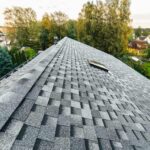
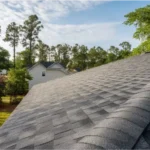
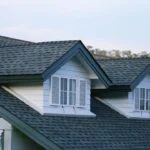
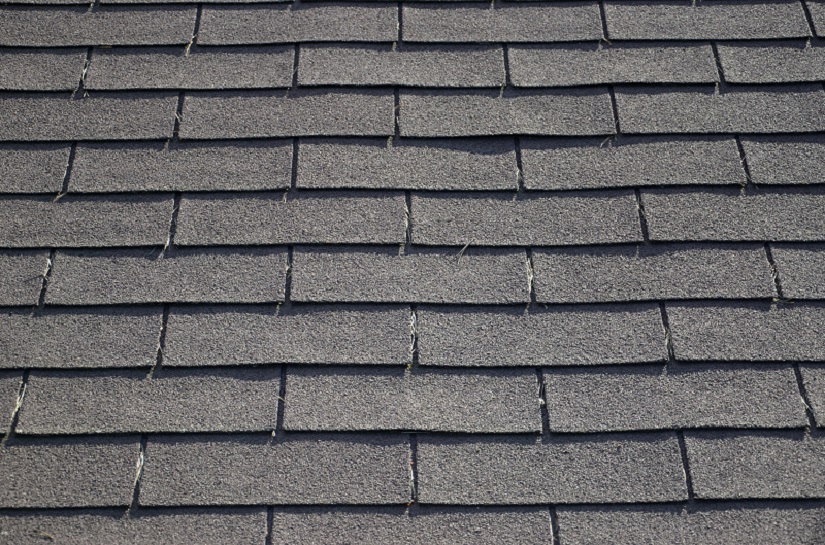
The appearance of your roof plays a major role in your home’s curb appeal. Asphalt shingles are manufactured from a fiberglass or organic base coated with asphalt and mineral granules. They come in a wide range of colors and styles, including three-tab and architectural (dimensional) varieties. This versatility allows homeowners to match nearly any exterior design, from traditional to modern.
In contrast, wood shakes are typically hand-split from cedar, redwood, or pine. Their irregular, textured surfaces create a rustic, natural look that is especially popular for cottages, historic homes, and properties aiming for a classic aesthetic. Over time, wood shakes weather to a silvery-gray patina, adding character but also requiring more upkeep to maintain their appearance.
Durability and Longevity: Which Roof Lasts Longer?
When comparing asphalt shingles vs wood shakes for durability, both materials have their strengths and limitations. Standard asphalt shingles typically last 15–30 years, depending on the quality and local climate. Architectural shingles, which are thicker and more robust, can sometimes reach up to 40 years with proper care. They are resistant to fire, algae, and moderate wind, making them a reliable choice for most regions.
Wood shakes, on the other hand, can last 30–40 years if maintained well. Their natural oils provide some resistance to insects and decay, but they are more susceptible to moisture, mold, and fire unless treated. In humid or rainy climates, wood shakes may require frequent inspections and treatments to prevent rot and moss growth. In dry regions, they can become brittle and crack over time. Homeowners should also check local building codes, as some areas restrict wood roofing due to fire risk.
For those seeking the best roof replacement options for longevity and value, it’s worth considering factors like local weather, roof pitch, and maintenance commitment. For more on this, review the best roof replacement options guide.
Installation and Maintenance: What to Expect
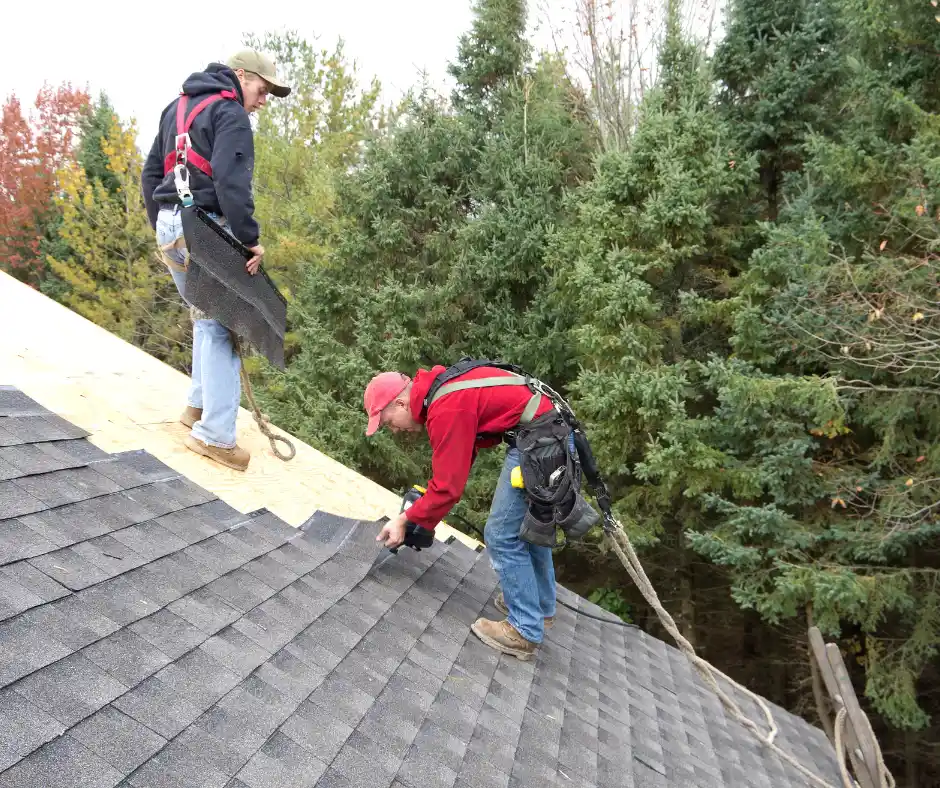
Installation methods and ongoing care differ significantly between these two roofing types. Asphalt shingles are lightweight, easy to handle, and can be installed quickly by most roofing contractors. Their uniform size and shape make them suitable for a wide variety of roof designs. Maintenance is generally limited to periodic inspections, cleaning gutters, and replacing damaged shingles as needed.
Wood shakes require more expertise to install correctly. Each shake must be individually placed and properly spaced to allow for expansion and contraction. This process is more labor-intensive and time-consuming, which contributes to higher installation costs. Maintenance is also more demanding: wood shakes need regular cleaning, treatment with preservatives or fire retardants, and prompt replacement of any split or rotting pieces.
For homeowners looking for a local installer, the roofing contractor near me shingles resource can help you find qualified professionals experienced with both materials.
Cost Comparison: Upfront and Long-Term Expenses
Budget is a major consideration when choosing between asphalt shingles vs wood shakes. Asphalt shingles are generally the most affordable roofing material available. The average cost for materials and installation ranges from $3 to $6 per square foot, depending on the shingle type and region. Their lower price point, combined with minimal maintenance costs, makes them a favorite for budget-conscious homeowners.
Wood shakes are significantly more expensive, with total installed costs typically ranging from $7 to $12 per square foot or more. The higher price reflects the cost of quality wood, the labor-intensive installation, and the need for ongoing maintenance. Over time, wood shakes may require additional investment in treatments and repairs, which can add to their lifetime expense.
It’s important to weigh not just the initial cost, but also the long-term value and potential resale impact. Some buyers are drawn to the unique look of wood shakes, while others prefer the practicality and lower upkeep of asphalt shingles.
Environmental Impact and Energy Efficiency
Environmental considerations are increasingly important for today’s homeowners. Asphalt shingles are petroleum-based and not biodegradable, but many manufacturers now offer recycling programs for old shingles. Their reflective granules can help reduce heat absorption, improving energy efficiency in warmer climates. For more details, the asphalt shingle overview on Wikipedia provides a thorough background on their composition and recycling efforts.
Wood shakes are made from renewable resources, and when sourced responsibly, can be a more eco-friendly option. However, the treatments required for fire and rot resistance may introduce chemicals to the environment. Untreated wood shakes are biodegradable, but their shorter lifespan in certain climates can offset some of their environmental benefits.
Summary Table: Key Differences at a Glance
| Feature | Asphalt Shingles | Wood Shakes |
|---|---|---|
| Appearance | Uniform, wide color range | Rustic, natural, unique texture |
| Lifespan | 15–30 years (up to 40 for premium) | 30–40 years (with maintenance) |
| Cost (Installed) | $3–$6 per sq ft | $7–$12+ per sq ft |
| Maintenance | Low | High |
| Fire Resistance | Good (especially with fiberglass base) | Poor unless treated |
| Eco-Friendliness | Recyclable, but petroleum-based | Renewable, biodegradable (if untreated) |
Choosing the Right Roof for Your Home
The decision between asphalt shingles and wood shakes ultimately depends on your priorities. If you value affordability, ease of installation, and minimal upkeep, asphalt shingles are a practical and attractive solution. For those who prioritize natural beauty and are willing to invest in ongoing maintenance, wood shakes offer unmatched character and a timeless look.
Before making your final choice, it’s wise to consult with experienced roofers and review other material comparisons. You can also explore the asphalt shingles vs clay tiles article for additional context on how asphalt compares to other traditional options.
Frequently Asked Questions
Are asphalt shingles or wood shakes better for resale value?
Both materials can add value, but the impact depends on your local market and buyer preferences. Asphalt shingles are widely accepted and often expected in many neighborhoods, while wood shakes may appeal to buyers seeking a unique or historic look. Well-maintained wood shakes can boost curb appeal, but potential buyers may be wary of higher maintenance costs.
How do weather conditions affect the performance of each roof type?
Asphalt shingles perform well in most climates but may degrade faster in extreme heat or rapid temperature changes. Wood shakes are vulnerable to moisture, rot, and insect damage in humid or rainy areas, and may become brittle in very dry climates. Proper installation and maintenance are crucial for both materials to achieve their maximum lifespan.
Can you mix asphalt shingles and wood shakes on the same roof?
While it’s technically possible to use both materials for decorative purposes, it’s uncommon and may complicate installation and maintenance. Most homeowners choose one material for consistency, performance, and warranty reasons. If you want the look of wood with the practicality of asphalt, consider architectural shingles designed to mimic wood textures.