Choosing the right material for your roof is a major decision for any homeowner. With so many products available, it can be challenging to determine which option offers the best combination of durability, cost, and curb appeal. This roofing options comparison guide breaks down the strengths and weaknesses of popular choices, with a special focus on shingles and how they stack up against alternatives like metal, tile, and wood. Whether you’re planning a new build or replacing an aging roof, understanding these differences will help you make an informed investment.
For those considering professional installation or repairs, you can explore roofing services asphalt shingles to connect with experienced contractors who specialize in shingle solutions.
Understanding the Most Common Roofing Materials
Before diving into the details, it’s helpful to know the main types of roofing materials available on the market. Each has unique characteristics that affect their performance, appearance, and price. Here’s a quick overview:
- Asphalt shingles: The most widely used option in North America, known for affordability and ease of installation.
- Metal roofing: Durable and energy-efficient, often chosen for its longevity and modern look.
- Clay or concrete tiles: Valued for their classic style and resistance to fire and rot.
- Wood shakes and shingles: Offer a natural, rustic appearance but require more maintenance.
- Synthetic materials: Includes rubber, plastic, and polymer products designed to mimic traditional looks with added durability.
Shingles in Focus: Pros, Cons, and Best Uses
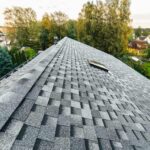
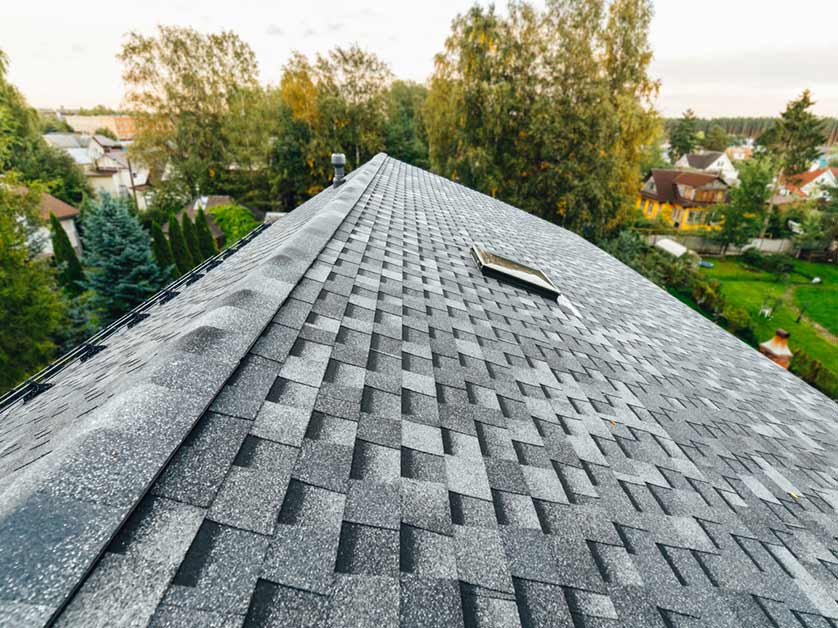
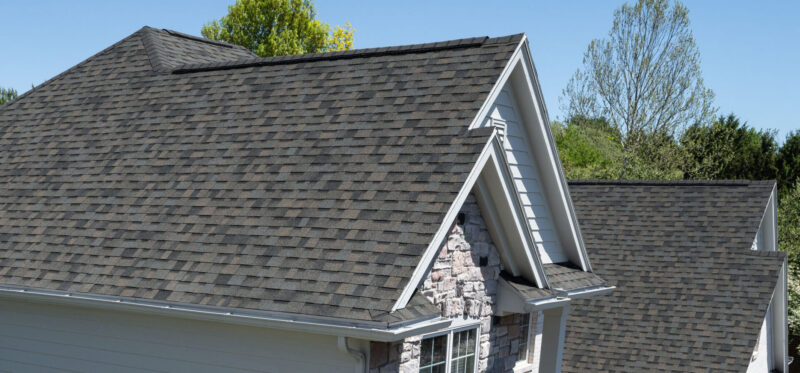
Asphalt shingles are the go-to choice for many homeowners. They come in a variety of styles, including three-tab, architectural, and premium options. Their popularity is due to several key advantages:
- Affordability: Shingles are among the most cost-effective roofing materials, both in terms of product and installation.
- Ease of installation and repair: Most contractors are familiar with shingle systems, making repairs straightforward and less expensive.
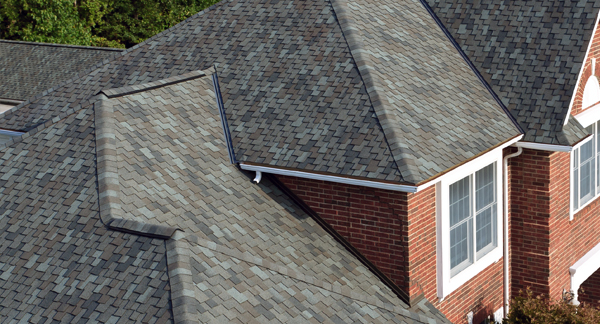
- Variety of colors and styles: Shingles can complement almost any home design, from traditional to contemporary.
- Decent lifespan: Standard asphalt shingles last 15–30 years, while architectural varieties can exceed 30 years with proper care.
However, shingles also have some drawbacks:
- They are more susceptible to wind and hail damage compared to metal or tile.
- They may not perform as well in extremely hot climates.
- Environmental impact is higher due to petroleum-based manufacturing.
For a deeper dive into the specifics of shingle roofs, including their composition and performance, see this detailed explanation of asphalt shingle roofs.
Comparing Shingles to Metal, Tile, and Wood Roofs
When weighing your options, it’s important to consider how shingles measure up against other popular roofing materials. Here’s a side-by-side look at some of the most important factors:
| Material | Average Lifespan | Cost | Maintenance | Weather Resistance | Appearance |
|---|---|---|---|---|---|
| Asphalt Shingles | 15–30 years | Low | Low | Good (moderate climates) | Wide variety |
| Metal | 40–70 years | Medium–High | Very low | Excellent | Modern, sleek |
| Clay/Concrete Tile | 50–100 years | High | Low | Excellent | Classic, Mediterranean |
| Wood Shakes/Shingles | 20–40 years | Medium | High | Moderate | Natural, rustic |
| Synthetic | 30–50 years | Medium | Low | Good–Excellent | Varies (can mimic others) |
As shown, shingles are often the most budget-friendly and versatile, but may not last as long as metal or tile. For homeowners prioritizing longevity and minimal maintenance, alternatives like metal or synthetic materials could be more appealing. If you’re interested in exploring premium shingle products, check out the top rated roofing materials for the latest innovations.
Key Considerations When Choosing Your Roof
Every home and budget is different, so there’s no universal answer to which roofing material is best. Here are some important factors to weigh as you compare your options:
- Climate: If you live in an area with frequent storms, hail, or high winds, durability should be a top priority.
- Budget: Asphalt shingles offer the lowest upfront cost, while metal and tile require a larger investment but may pay off over time.
- Home style: Some materials are better suited to certain architectural designs. For example, tile roofs complement Mediterranean homes, while shingles are more versatile.
- Maintenance: Consider how much time and money you’re willing to spend on upkeep. Metal and synthetic roofs generally require less maintenance than wood or asphalt.
- Resale value: A new roof can boost your home’s value, but some materials are more attractive to buyers than others.
For a deeper look at maximizing value and longevity, see the best roof replacement options for practical advice tailored to different needs.
Installation, Repairs, and Finding the Right Contractor
No matter which material you choose, proper installation is critical for performance and warranty coverage. When hiring a professional, look for contractors with experience in your chosen material and a solid reputation. If you’re searching for local experts, roofing contractor near me shingles can help you connect with qualified pros in your area.
Don’t forget to ask about warranties, insurance, and references. For those considering asphalt shingles, it’s also wise to compare local asphalt roof companies to ensure you’re getting the best service and value.
Frequently Asked Questions
How do I know if shingles are right for my home?
Shingles are a great fit for most residential properties, especially if you’re looking for an affordable, attractive, and easy-to-install solution. They work well in moderate climates and come in a range of styles to match different home designs. However, if you live in an area prone to severe weather or want a roof that lasts 50 years or more, you may want to consider metal or tile instead.
What is the average cost difference between shingles and metal roofing?
On average, asphalt shingles cost significantly less than metal roofing—both in terms of materials and labor. While prices vary by region and product type, you can expect to pay about half as much for a shingle roof compared to a metal one. However, metal roofs last longer and may offer better long-term value due to reduced maintenance and energy savings.
How can I extend the life of my shingle roof?
Regular maintenance is key. Keep gutters clean, remove debris, and inspect your roof annually for signs of damage. Address small issues—like loose or missing shingles—promptly to prevent leaks. Using high-quality sealant products and following manufacturer recommendations will also help maximize your roof’s lifespan.
Conclusion: Making the Best Choice for Your Home
There’s no one-size-fits-all answer when it comes to roofing. Shingles remain a popular choice for their affordability and versatility, but alternatives like metal, tile, and synthetic materials offer unique advantages worth considering. By weighing the pros and cons outlined in this roofing options comparison guide, you’ll be better equipped to select a roof that fits your budget, style, and long-term needs. For more information on the latest products and expert advice, see the top rated roofing materials available today.