Choosing the best roofing material is a major decision for any homeowner. Two of the most popular options are asphalt shingles and clay tiles. Each offers unique advantages and drawbacks, from cost and durability to style and climate suitability. Understanding the differences between these materials will help you select the best fit for your home, budget, and long-term needs.
This article provides a detailed comparison of these two roofing types, including their pros and cons, installation requirements, maintenance needs, and how they perform in different climates. If you’re considering a new roof or a replacement, you’ll find practical insights here to guide your decision.
For a broader look at roofing alternatives, you might also want to check out our roofing options comparison guide for side-by-side evaluations of various materials.
Comparing Asphalt Shingles and Clay Tiles: Key Differences
When weighing asphalt shingles vs clay tiles, it’s important to consider several factors: cost, appearance, installation, durability, and climate performance. Here’s how these materials stack up:
| Feature | Asphalt Shingles | Clay Tiles |
|---|---|---|
| Cost | Lower initial cost | Higher upfront investment |
| Weight | Lightweight, suitable for most structures | Heavy, may require reinforced roof framing |
| Style | Wide range of colors and textures | Classic, Mediterranean look |
| Durability | 15–30 years | 50–100+ years |
| Maintenance | Low, occasional inspection | Low, but tiles can crack and need replacement |
| Climate Suitability | Performs well in most climates | Excellent for hot, dry regions |
Benefits and Drawbacks of Asphalt Shingles
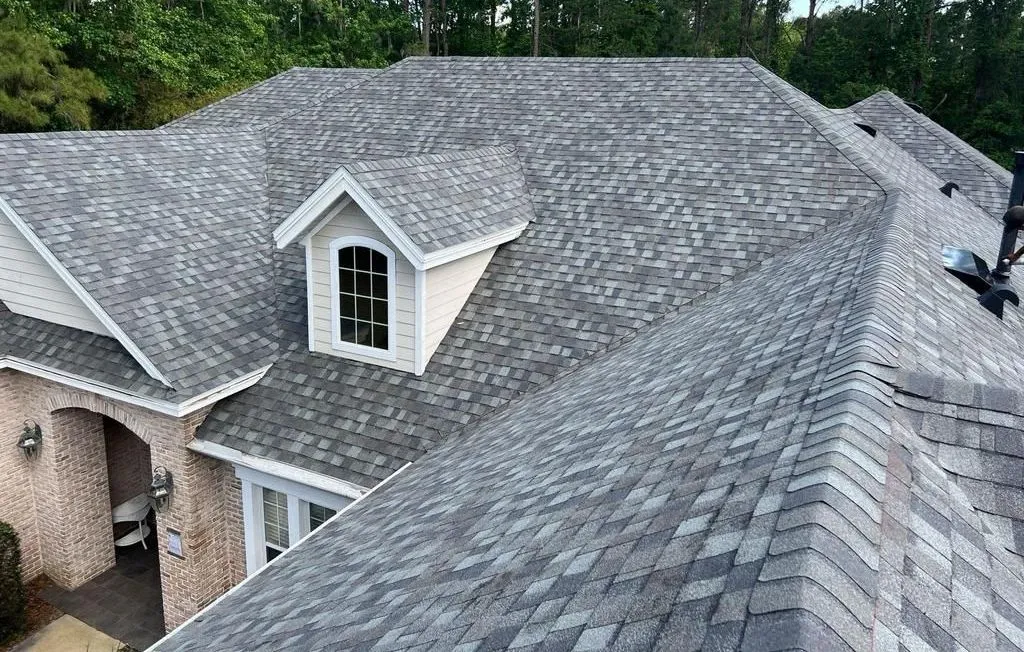
Asphalt shingles are the most common roofing material in North America. They are popular for their affordability, ease of installation, and versatility in style. Here are some of the main advantages and potential downsides:
- Affordability: Asphalt shingles are budget-friendly, making them accessible for most homeowners.
- Variety: Available in many colors and textures, they can complement almost any home design.
- Easy Installation: Lightweight and simple to install, which can reduce labor costs.
- Repairability: Damaged shingles can be replaced individually without disturbing the rest of the roof.
However, there are some limitations:
- Shorter Lifespan: Typically last 15–30 years, which is less than many other roofing materials.
- Vulnerability to Weather: Can be damaged by high winds or hail, especially lower-quality products.
- Environmental Impact: Made from petroleum-based materials and not as eco-friendly as some alternatives.

For more details on hiring the right installer, see our guide on asphalt roof companies for tips on choosing experienced professionals.
Advantages and Disadvantages of Clay Tiles
Clay tiles are valued for their longevity and timeless appearance. They are especially common in Mediterranean, Spanish, and Southwestern-style homes. Here’s what to consider:
- Exceptional Durability: Clay tiles can last 50 years or more, with some roofs surviving a century.
- Fire and Weather Resistance: Naturally fireproof and highly resistant to rot, insects, and harsh sun.
- Energy Efficiency: Their thermal mass helps regulate indoor temperatures, reducing cooling costs in hot climates.
- Distinctive Style: Offers a classic, upscale look that can boost curb appeal and property value.
Potential drawbacks include:
- High Upfront Cost: Clay tiles are more expensive to purchase and install.
- Weight: Significantly heavier than shingles, often requiring reinforced roof structures.
- Fragility: While durable, individual tiles can crack under impact and may need periodic replacement.
- Complex Installation: Requires skilled labor, which can increase installation time and cost.
Installation and Maintenance Considerations
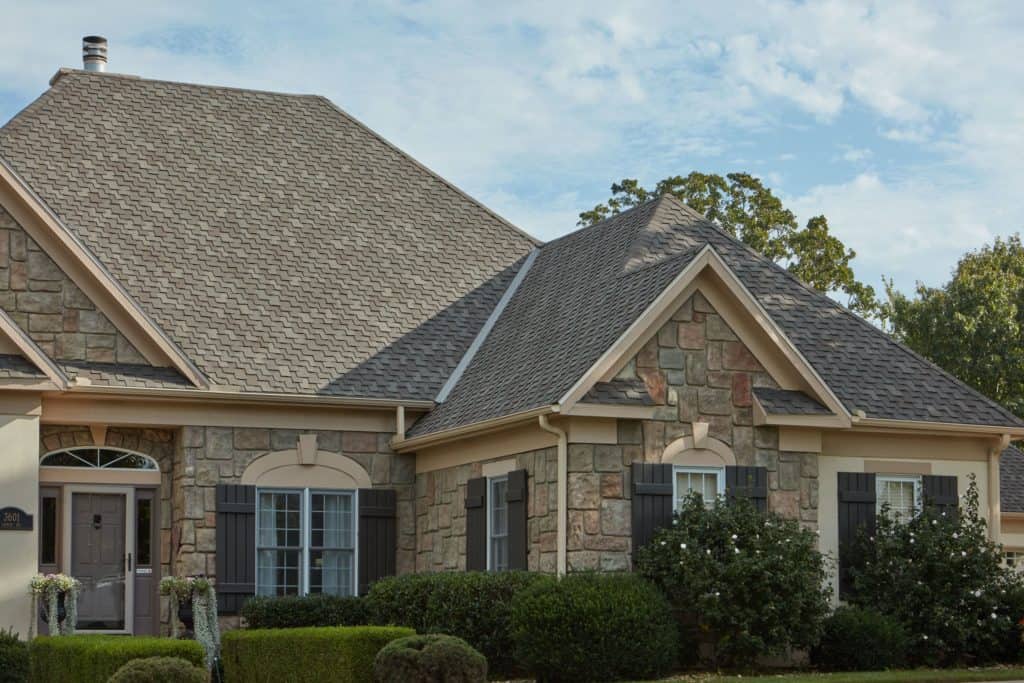
Both materials have unique installation and maintenance needs. Asphalt shingles are easier and faster to install, making them a top choice for quick roof replacements. Most contractors are familiar with the process, and repairs are straightforward. Routine maintenance involves inspecting for damaged or missing shingles and cleaning debris from the roof surface.
Clay tiles, on the other hand, require a more involved installation process. The roof deck may need reinforcement to support the extra weight. Installation should be done by professionals with experience in tile roofing. Maintenance is generally low, but it’s important to check for cracked or displaced tiles, especially after severe weather. Replacing a broken tile is usually simple, but walking on a clay tile roof can cause additional damage if not done carefully.
For a deeper dive into professional installation, see our resource on roofing services asphalt shingles to learn about expert solutions and what to expect from a contractor.
Climate and Regional Suitability
The local climate plays a significant role in choosing between these roofing types. Asphalt shingles perform well in most regions, but may have a shorter lifespan in areas with extreme heat, rapid temperature changes, or frequent hailstorms. Newer, impact-resistant shingles are available for harsher climates.
Clay tiles excel in hot, dry climates due to their ability to reflect sunlight and withstand high temperatures. They are less suitable for regions with heavy snowfall or freeze-thaw cycles, as water can seep into cracks and cause damage when it freezes. In coastal areas, clay tiles resist salt air corrosion better than many other materials.
For more information on how different roofing materials perform over time, explore our article on the best roof replacement options for longevity and value.
Cost Comparison: Upfront and Long-Term Value
Budget is often a deciding factor. Asphalt shingles have a lower initial cost, making them ideal for homeowners seeking an affordable solution. However, because they need to be replaced more frequently, the total cost over several decades may approach or exceed that of longer-lasting materials.
Clay tiles require a larger upfront investment, but their extended lifespan means fewer replacements and potentially lower long-term costs. Additionally, their energy efficiency can help reduce cooling expenses in warm climates.
For a detailed explanation of what goes into the cost of asphalt shingle roofing, see this comprehensive guide to asphalt shingle roofing for insights into pricing, materials, and installation factors.
Which Roofing Material Is Best for Your Home?
The choice between asphalt shingles and clay tiles depends on your priorities. If you need an affordable, versatile, and easy-to-install roof, asphalt shingles are a practical choice. For homeowners seeking a long-lasting, distinctive, and energy-efficient roof—and who are prepared for a higher upfront cost—clay tiles may be the better investment.
Consider your home’s architectural style, your local climate, and your long-term budget. Consulting with a local roofing expert can provide additional guidance tailored to your specific situation. If you’re ready to find a qualified installer, our roofing contractor near me shingles resource can help you connect with professionals in your area.
Frequently Asked Questions
How long do asphalt shingles and clay tiles last?
Asphalt shingles typically last 15 to 30 years, depending on quality and climate. Clay tiles can last 50 years or more, with some roofs surviving a century if properly maintained.
Are clay tiles more expensive than asphalt shingles?
Yes, clay tiles have a higher initial cost for both materials and installation. However, their longevity and low maintenance needs can make them more cost-effective over the long term.
Can my home support the weight of clay tiles?
Clay tiles are much heavier than asphalt shingles. Before installing them, a structural assessment is necessary to determine if your roof framing needs reinforcement to safely support the added weight.
Which roofing material is better for hot climates?
Clay tiles are generally better suited for hot, sunny regions because they reflect sunlight and help keep homes cooler. Asphalt shingles can also perform well, but may have a shorter lifespan in extreme heat unless you choose heat-resistant varieties.