Choosing the right roofing material is a major decision for homeowners and property managers. Two of the most popular options are asphalt shingles and metal roofing. Each offers unique benefits and drawbacks, particularly when it comes to cost, longevity, and performance. Understanding how these materials compare can help you make an informed choice that fits your budget and long-term needs.
This guide examines the differences between these two roofing types, focusing on installation expenses, durability, maintenance, and other key factors. For a broader look at available roof coverings, you may also want to explore our roofing options comparison guide.
Comparing Upfront Costs
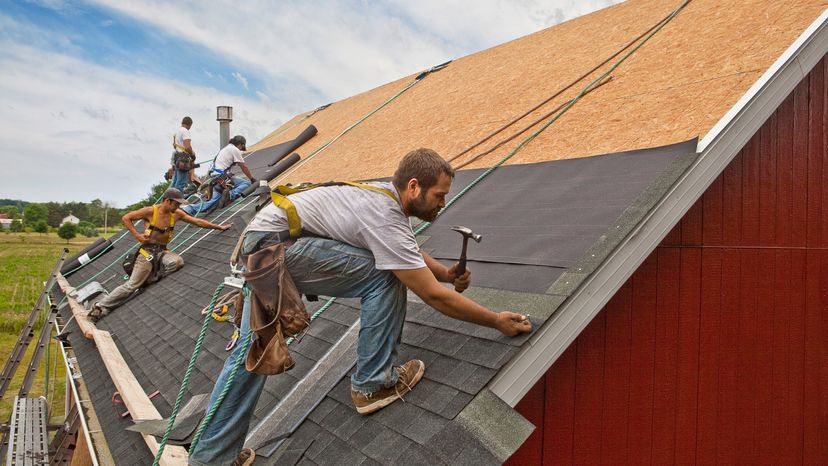
One of the first considerations for any roofing project is the initial investment. Asphalt shingles are widely known for their affordability. On average, installing asphalt shingles costs between $4 and $7 per square foot, including materials and labor. This makes them a budget-friendly choice for many homeowners, especially those replacing a roof on a tight budget.
Metal roofing, on the other hand, typically comes with a higher price tag. Installation costs can range from $8 to $16 per square foot, depending on the type of metal (such as steel, aluminum, or copper) and the complexity of the roof design. While the upfront expense is greater, metal roofs may offer savings over time due to their longevity and lower maintenance requirements.
Durability and Lifespan: Which Lasts Longer?
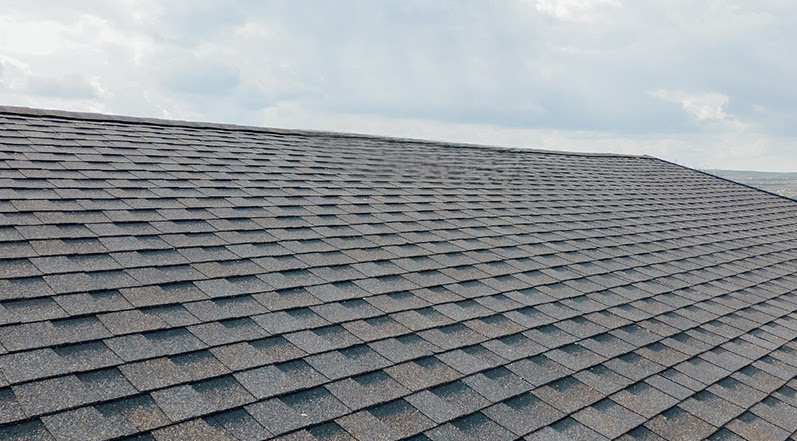
When evaluating asphalt shingles vs metal roofing, durability is a crucial factor. Standard asphalt shingles generally last 15 to 30 years, depending on the quality of the shingle and the local climate. Architectural or premium shingles may extend the lifespan closer to 40 years, but regular maintenance is required to prevent issues like curling, cracking, or moss growth.
Metal roofs are renowned for their exceptional longevity. Most metal roofing systems last 40 to 70 years, with some premium products enduring even longer. They are highly resistant to cracking, shrinking, and erosion, and can withstand extreme weather conditions such as heavy snow, hail, and high winds. This makes metal an appealing option for those seeking a long-term solution with minimal replacement concerns.
Maintenance and Repairs
Maintenance requirements differ significantly between these two materials. Asphalt shingles may need periodic inspections, especially after storms, to check for missing or damaged shingles. Moss and algae can also be a concern in humid climates, requiring occasional cleaning. Repairs are generally straightforward and affordable, but over time, repeated patching may be necessary.
Metal roofing is low-maintenance by comparison. It rarely needs more than occasional cleaning and inspection for loose fasteners or minor scratches. Because metal panels are interlocking, leaks are less common, and repairs are infrequent. However, if a panel is damaged, replacement can be more complex and costly than swapping out a single shingle.
Energy Efficiency and Environmental Impact
Another important aspect of the asphalt shingles vs metal roofing debate is energy efficiency. Metal roofs reflect solar radiant heat, which can reduce cooling costs by 10–25% during hot months. Many metal roofing products are made from recycled materials and are fully recyclable at the end of their lifespan, making them a sustainable choice.
Asphalt shingles, while less reflective, are available in lighter colors that can help reduce heat absorption. However, they are petroleum-based and contribute to landfill waste when replaced. Some manufacturers now offer recycling programs, but the environmental impact is generally higher than with metal alternatives.
Appearance and Design Options
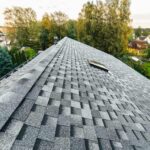
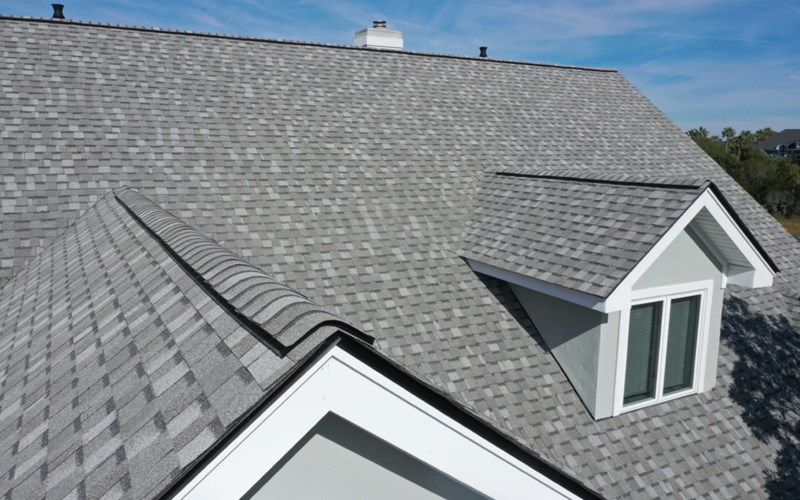
Both roofing types offer a range of styles and colors. Asphalt shingles are available in a variety of shapes, textures, and hues, making it easy to match your home’s aesthetic. They are especially popular for traditional and suburban homes, and can even mimic the look of wood or slate at a lower cost.
Metal roofing comes in panels or shingles and can replicate the appearance of tile, slate, or wood shakes. It is available in a spectrum of colors and finishes, including matte, glossy, and textured options. Metal’s sleek, modern look is favored for contemporary designs, but with the right style, it can complement almost any architecture.
Weather Resistance and Performance
Both materials are designed to protect against the elements, but their performance can vary depending on climate. Asphalt shingles perform well in moderate climates but may degrade faster in regions with extreme heat or heavy storms. High winds can lift or tear shingles, and hail can cause surface granule loss.
Metal roofing excels in harsh weather. It sheds snow and ice efficiently, resists wind uplift, and is non-combustible, offering superior fire resistance. Metal is also less prone to leaks and water damage, making it a reliable choice for areas with severe weather patterns.
Installation and Project Timeline
Installation time and complexity can impact both cost and convenience. Asphalt shingles are relatively easy to install, and most roofing contractors are experienced with the process. This can translate to faster project completion and lower labor costs. For more information on hiring professionals, see our guide on asphalt roof companies.
Metal roofing installation is more specialized and may require contractors with specific expertise. The process can take longer, especially for custom designs or intricate rooflines. However, the durability and low maintenance of metal can offset the initial investment in skilled labor.
Resale Value and Insurance Benefits
When considering asphalt shingles vs metal roofing, it’s worth noting the impact on home value and insurance. Metal roofs often increase resale value due to their longevity and energy efficiency. Some insurers offer discounts for metal roofs because of their fire resistance and durability.
Asphalt shingles are widely accepted and can also add value, especially if the roof is new or features upgraded materials. However, the shorter lifespan may be a consideration for buyers looking for long-term peace of mind.
Summary Table: Key Differences
| Feature | Asphalt Shingles | Metal Roofing |
|---|---|---|
| Average Cost (per sq. ft.) | $4–$7 | $8–$16 |
| Expected Lifespan | 15–30 years | 40–70+ years |
| Maintenance | Moderate | Low |
| Energy Efficiency | Moderate | High |
| Recyclability | Limited | High |
| Weather Resistance | Good | Excellent |
| Style Options | Wide Variety | Wide Variety |
Making the Right Choice for Your Home
Ultimately, the decision between these two roofing materials depends on your priorities. If you’re seeking a cost-effective solution with a straightforward installation process, asphalt shingles may be the best fit. For those prioritizing longevity, energy savings, and weather resistance, metal roofing could be worth the higher initial investment.
It’s also wise to consult with local contractors who understand your region’s climate and building codes. For more details on asphalt shingle roofs, see this comprehensive overview of asphalt shingle roofing.
Frequently Asked Questions
Are metal roofs noisier than asphalt shingles during rain?
Modern metal roofing systems are installed with solid sheathing and insulation, which significantly reduces noise. In most cases, the sound level is comparable to that of asphalt shingles.
Can you install metal roofing over existing asphalt shingles?
In many cases, metal panels can be installed directly over a single layer of asphalt shingles, provided the roof structure is sound. This can save on removal costs and reduce installation time. However, always consult a professional to ensure compliance with local codes.
Which roofing material is better for resale value?
Both options can enhance resale value, but metal roofing often provides a higher return due to its durability, energy efficiency, and low maintenance. Buyers may also appreciate the longer warranty and insurance benefits associated with metal roofs.
How do I find a reliable contractor for my roofing project?
Look for experienced professionals with strong references and proper licensing. You can start your search with our roofing contractor near me shingles resource to connect with local experts.