Choosing the right roofing material is one of the most important decisions homeowners face. The roof not only protects your home from the elements but also impacts energy efficiency, curb appeal, and long-term maintenance costs. With so many options available, making a decision can feel overwhelming. This best roofing material comparison guide will walk through the most popular choices, weighing their strengths, weaknesses, and suitability for different needs.
Before diving into the details, it’s helpful to consider your climate, budget, and how long you plan to stay in your home. If you want to explore more about how various materials stack up, the roofing options comparison guide provides an in-depth look at shingles and alternatives.
Understanding Roofing Material Choices
Every roofing product has unique characteristics. Factors such as durability, cost, installation complexity, and appearance all play a role in determining the best fit for your home. Here’s a closer look at the most common materials you’ll encounter when researching a best roofing material comparison:
- Asphalt Shingles: The most widely used option in North America, known for affordability and ease of installation.
- Metal Roofing: Increasingly popular for its longevity and energy efficiency.
- Clay and Concrete Tiles: Favored for their classic look and impressive lifespan, especially in warmer climates.
- Wood Shakes and Shingles: Valued for natural beauty but require more maintenance.
- Synthetic Materials: Including rubber, plastic, and polymer composites designed to mimic traditional styles.
- Slate: A premium choice with unmatched durability and elegance.
Let’s break down the pros and cons of each material to help you make an informed decision.
Asphalt Shingles: The Popular Standard
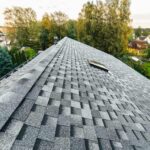
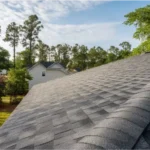
Asphalt shingles dominate the residential roofing market for good reason. They are cost-effective, come in a wide range of colors and styles, and are relatively easy to install or repair. Most asphalt shingles last 15–30 years, though premium varieties can reach up to 50 years with proper care.
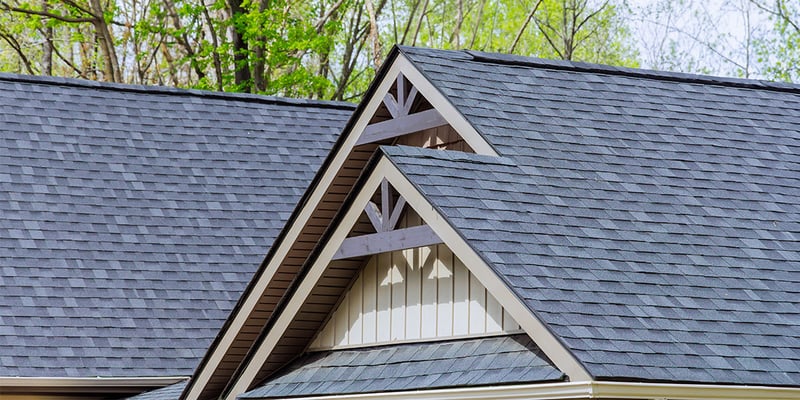
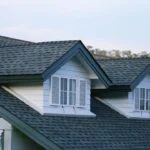
There are two main types: three-tab and architectural (dimensional) shingles. Architectural shingles are thicker, more durable, and offer a textured appearance. For a deeper dive into what goes into these products, check out this detailed explanation of asphalt shingle composition.
Advantages:
- Affordable upfront cost
- Wide availability and color selection
- Simple repairs and replacements
Drawbacks:
- Shorter lifespan compared to premium materials
- Can be vulnerable to wind uplift and hail
- Not as eco-friendly as some alternatives
For those seeking reliable performance on a budget, asphalt remains a top contender. If you’re considering hiring professionals, the asphalt roof companies resource can help you find reputable contractors.
Metal Roofing: Durability and Energy Efficiency
Metal roofs have gained traction for their exceptional longevity—often lasting 40–70 years. They’re available in steel, aluminum, copper, and zinc, each with distinct benefits. Metal reflects solar heat, which can reduce cooling costs in hot climates. Additionally, many metal products are made from recycled materials and are fully recyclable at end of life.
Advantages:
- Long lifespan and minimal maintenance
- Fire, wind, and hail resistance
- Lightweight and suitable for many roof structures
Drawbacks:
- Higher upfront cost than asphalt
- Can be noisy during rain or hail without proper insulation
- May dent from large hail or falling branches
Metal is ideal for homeowners who want a low-maintenance, energy-efficient solution that stands the test of time.
Clay, Concrete, and Slate: Premium and Long-Lasting
Clay and concrete tiles are staples in Mediterranean, Spanish, and Southwestern architecture. They’re highly durable, with lifespans of 50–100 years, and offer excellent resistance to fire and insects. Slate, a natural stone, is the pinnacle of longevity and elegance, often lasting over a century when properly installed.
Advantages:
- Exceptional durability and weather resistance
- Distinctive, upscale appearance
- Low maintenance requirements
Drawbacks:
- Significant weight—may require structural reinforcement
- High installation and material costs
- Tiles and slate can crack under heavy impact
These materials are best suited for homeowners seeking a long-term investment and willing to pay a premium for aesthetics and performance.
Wood and Synthetic Options: Natural Charm and Modern Innovation
Wood shakes and shingles provide a rustic, natural look. Cedar is the most common species, valued for its resistance to insects and decay. However, wood requires regular maintenance and may not be suitable in areas prone to wildfires.
Synthetic roofing materials, such as rubber, plastic, or polymer composites, are engineered to mimic the appearance of wood, slate, or tile while offering improved durability and lower maintenance. These products are lighter and often more affordable than their natural counterparts.
Advantages:
- Wood offers unique curb appeal
- Synthetics resist cracking, fading, and algae growth
- Many synthetic options are eco-friendly
Drawbacks:
- Wood requires regular upkeep and may have a shorter lifespan
- Synthetics can vary in quality and appearance
- Some synthetic products are relatively new, so long-term performance data is limited
For those interested in maximizing home value and longevity, the best roof replacement options article covers additional insights on premium and innovative materials.
Comparing Roofing Materials: Key Factors
When evaluating roofing products, it’s important to look beyond initial cost. Here are the most critical factors to consider in any best roofing material comparison:
| Material | Average Lifespan | Cost (per sq. ft.) | Maintenance | Appearance |
|---|---|---|---|---|
| Asphalt Shingles | 15–30 years | $1.50–$5 | Low | Varied, traditional |
| Metal | 40–70 years | $5–$12 | Very low | Modern, sleek |
| Clay/Concrete Tile | 50–100 years | $7–$20 | Low | Classic, Mediterranean |
| Slate | 75–150 years | $10–$30 | Very low | Elegant, timeless |
| Wood | 20–40 years | $6–$12 | Moderate | Rustic, natural |
| Synthetic | 30–50 years | $4–$10 | Low | Varies (mimics other types) |
Remember, installation quality and local climate can significantly impact the actual performance of any roof. For help finding a qualified installer, use the roofing contractor near me shingles directory to connect with local experts.
How to Choose the Right Roofing for Your Home
With so many variables, the ideal roofing solution depends on your specific goals and circumstances. Here are some tips to guide your decision:
- Budget: Asphalt shingles are the most economical, while slate and tile are premium options.
- Longevity: If you plan to stay in your home for decades, investing in metal, tile, or slate may pay off.
- Climate: Metal and tile excel in hot, sunny regions; wood may not be suitable in humid or wildfire-prone areas.
- Appearance: Choose a style that complements your home’s architecture and neighborhood.
- Maintenance: Consider how much time and money you’re willing to invest in upkeep.
For those prioritizing professional installation and warranty coverage, the roofing services asphalt shingles page provides more details on what to expect from reputable contractors.
FAQ
What is the most cost-effective roofing material?
Asphalt shingles are generally the most affordable option for homeowners, offering a balance of price, durability, and ease of installation. They are widely available and suitable for most climates, making them a practical choice for budget-conscious projects.
How long do different roofing materials typically last?
Lifespan varies by material. Asphalt shingles last 15–30 years, metal roofs 40–70 years, clay and concrete tiles 50–100 years, and slate can exceed 100 years. Synthetic options often fall in the 30–50 year range, while wood shakes and shingles typically last 20–40 years with proper care.
Are metal roofs noisy during rain?
Metal roofs can be noisier than other materials during heavy rain or hail, but proper insulation and underlayment can significantly reduce sound. Many homeowners find the noise level comparable to other roofing types when installed correctly.