Homeowners seeking to harness solar energy for their property often face a crucial decision: should they invest in integrated solar roofing or opt for traditional solar panels? Both systems offer the promise of lower utility bills and a reduced carbon footprint, but their price tags, installation processes, and long-term value can differ significantly. Understanding the solar roofing vs solar panels cost breakdown is essential for making a smart, future-proof investment in your home.
Before diving into the specifics, it’s helpful to consider how this decision fits into the broader context of home improvement. For those also considering a full roof overhaul, reviewing resources like the roof upgrade cost guide can provide valuable context on budgeting and planning for high-performance roofing materials.
Understanding the Basics: What Sets Solar Roofs and Panels Apart?
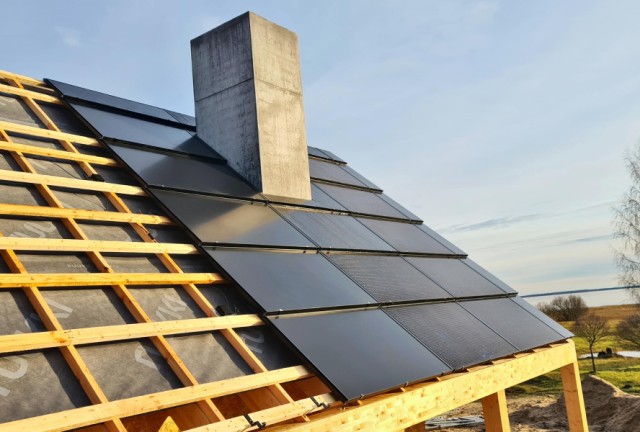
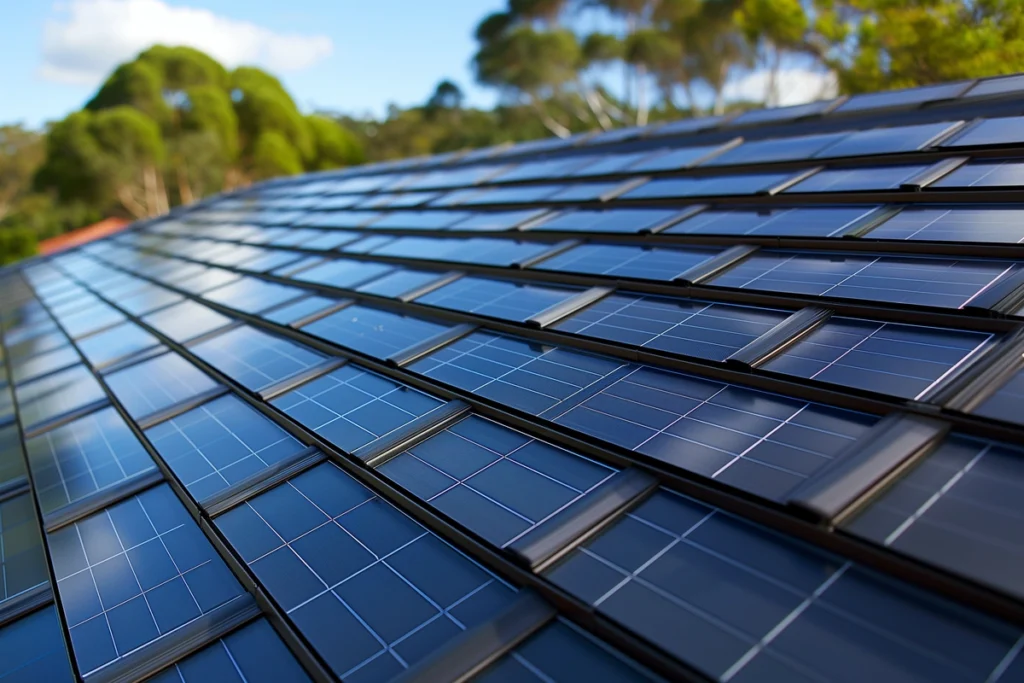
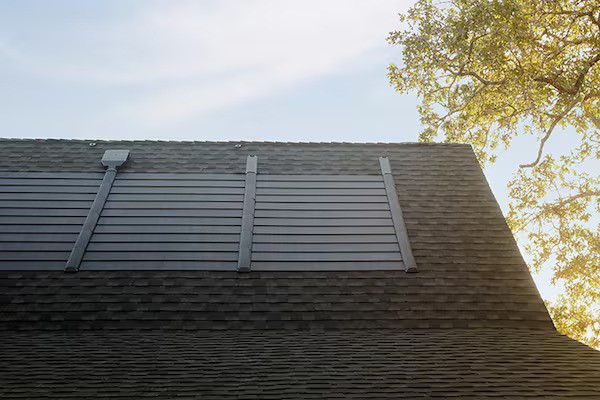
Solar panels, also known as photovoltaic (PV) modules, are mounted on top of an existing roof. They are typically installed in arrays and can be retrofitted to most roof types. In contrast, solar roofing—sometimes called solar shingles or tiles—replaces conventional roofing materials with integrated photovoltaic cells. This means the roof itself generates electricity, providing a seamless appearance and dual functionality.
Both options convert sunlight into usable electricity, but their installation methods, aesthetics, and costs vary. Let’s break down the main factors that influence the total investment required for each system.
Initial Installation Costs: Comparing Upfront Expenses
When evaluating solar roofing vs solar panels cost, the initial outlay is often the most noticeable difference. Traditional solar panels generally have a lower upfront price because they are mass-produced and easier to install. The average cost for a residential solar panel system in the United States ranges from $15,000 to $25,000 for a typical 6kW setup, before tax credits or incentives.
Solar roofing, on the other hand, is a newer technology. The price for integrated solar shingles or tiles can range from $30,000 to $60,000 for an average home, depending on roof size, complexity, and brand. This higher price reflects both the cost of advanced materials and the fact that you’re replacing the entire roof, not just adding panels on top.
Factors That Affect the Price
- Roof condition: If your roof is old or damaged, you may need to replace it before installing solar panels, adding to the total cost.
- System size: Larger homes or higher energy needs require more panels or a bigger solar roof, increasing costs.
- Material choice: Premium solar shingles, such as those from leading brands, are more expensive than standard panels.
- Labor and complexity: Integrated solar roofing often requires specialized installers, which can drive up labor charges.
Long-Term Value: Maintenance and Lifespan
While the upfront investment is important, ongoing maintenance and system longevity also impact the total cost of ownership. Standard solar panels typically last 25–30 years and require minimal maintenance—mainly periodic cleaning and occasional inverter replacement. Their modular nature makes repairs or upgrades straightforward.
Solar roofs, being a newer technology, offer similar lifespans but may have higher maintenance costs if individual shingles need replacement. However, they provide the benefit of a new, weatherproof roof and a more integrated look. For those planning a roof replacement anyway, the price difference between a new roof plus panels and a solar roof may be less significant.
Energy Production and Efficiency
Efficiency is another key consideration. Traditional solar panels generally offer higher efficiency rates than solar shingles, meaning they convert more sunlight into electricity per square foot. This can be crucial for homes with limited roof space or high energy needs.
Solar roofing systems, while less efficient per unit area, can cover more of the roof’s surface, sometimes offsetting their lower efficiency. The actual energy output—and thus the financial return—will depend on your roof’s orientation, shading, and local climate.
Return on Investment and Incentives
Both solar panels and solar roofing qualify for federal tax credits and, in many areas, state or local incentives. These can reduce the net cost by 20–30% or more. The payback period—the time it takes for energy savings to cover your initial investment—typically ranges from 6 to 12 years for panels and 10 to 20 years for solar roofing, depending on local electricity rates and system size.
It’s important to factor in the potential for increased home value. Solar systems, especially those with a sleek, integrated appearance, can boost resale value and appeal to eco-conscious buyers. For a deeper dive into the benefits of solar roof tiles, see this comprehensive overview of solar roof tile advantages.
Installation Process and Timeline
Solar panel installation is typically faster and less disruptive. Most systems can be mounted and connected within a few days, provided the roof is in good condition. Solar roofing, by contrast, involves removing the existing roof and installing new solar tiles or shingles, which can take one to two weeks or more. This longer timeline may be worth it for those seeking a fully integrated, modern look.
Aesthetics and Curb Appeal
For many homeowners, appearance matters. Traditional panels are mounted above the roof and are visible from the street, which some find unattractive. Solar roofing, however, blends in with the rest of the roof, offering a low-profile, high-tech look. This can be a deciding factor for those in neighborhoods with strict homeowners’ association rules or for anyone prioritizing curb appeal.
Which Option Is Right for You?
Choosing between these two solar solutions depends on your budget, energy needs, and long-term plans for your property. If your roof is in good shape and you’re looking for the most cost-effective way to go solar, traditional panels are usually the better choice. If you’re due for a new roof and want a seamless, integrated system, solar roofing may justify the higher initial investment.
Don’t forget to consider other factors, such as the age and type of your current roof. If you’re planning a full replacement, resources like the replacing old asphalt roof guide can help you understand the process and costs involved.
Frequently Asked Questions
How do maintenance costs compare between solar roofing and solar panels?
Solar panels typically require less maintenance, mainly limited to cleaning and occasional inverter replacement. Solar roofing may have higher maintenance costs if individual shingles need replacement, but both systems are designed for durability and long-term performance.
Can I install solar roofing or panels on any type of roof?
Most homes can accommodate solar panels, but the roof should be in good condition and have sufficient sun exposure. Solar roofing is best suited for new builds or when replacing an old roof, as it involves a full roof installation. Roof shape, pitch, and material can affect compatibility and installation costs.
Are there incentives available for both solar panels and solar roofing?
Yes, both systems are eligible for federal tax credits and, in many areas, state or local incentives. These can significantly reduce the net cost and improve the return on investment. Always check with your local utility and government agencies for the latest programs.
Where can I learn more about planning a new roof installation?
For step-by-step advice on replacing your roof and integrating solar, see the asphalt roof replacement guide for practical tips and planning strategies.